
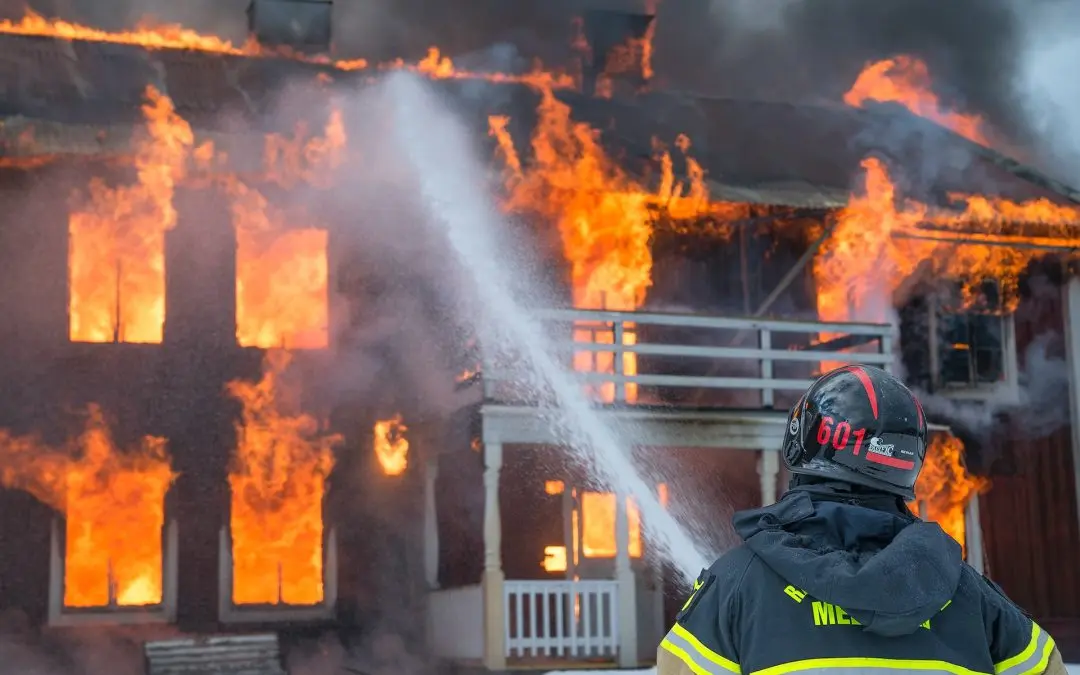
Homeowners should be aware that there are multiple types of fire damage that can occur, each one identified by the way it started. The most common types are structural fires, electrical fires, and chemical fires.
Structural fires are caused by the ignition of combustible materials like wood, paper, and fabrics. Electrical fires result from faulty wiring and the malfunctioning of electrical appliances, while chemical fires are caused by the combustion of hazardous materials.
Every homeowner should be aware of the six different classifications of fire damage that can occur. They include the following:
Class A
Class A fire damage is caused by fires that start from flammable materials such as wood, plastics, paper, rubber, and cloth. These fires often occur because of carelessness, such as leaving fabric near a portable heater. These types of fires can spread quickly and cause severe damage to homes, businesses, and more.
Class B
Class B fire damage involves fires that are caused by flammable liquids, such as petrol, oil, waxes, and paint. These fires can be very dangerous and cause extensive damage to property.
Class C
Fire and hail damage roof replacement professionals also note that Class C fire damage is caused by flammable gases. This includes hydrogen, propane, butane, and natural gas, which are often used in cooking. As such, kitchen fires can be classified as Class C fire damage. To prevent fires from starting, it’s important to turn off your stoves and other gas appliances when you’re done using them.
Class D
Class D fires involve the burning of combustible metals such as magnesium, potassium, and sodium and can cause significant damage.
Class E
Class E fire damage is the result of a fire that is caused by electrical elements. These fires can be caused by faulty wiring, old appliances, or improper use of electrical outlets. Damage from these fires can be more severe than damage from Class A or B fires because of the electrical element involved.
Class F
Class F fire damage is when a fire starts due to cooking oils and fats left unattended in a frying pan or other cooking appliance. These types of fires are usually a result of someone not monitoring their food as it cooks and are commonly referred to as kitchen fires.
Primary and Secondary Fire Damage
If your insurance company labels your losses as primary, it implies that the damage was brought on directly by the fire itself. This could include the destruction of the exterior and interior of the building, as well as any belongings that were located inside.
If your insurance company classifies your losses as secondary, that means the damage to your property was caused by smoke, fire-related corrosives, or the elements. This often includes smoke residue, soot, and odors; oils, grease, or rubber from the blaze; and water damage from rain, snow, or extinguishing efforts. The destruction done to the inside of a house or business would likely be categorized as secondary.
Closing Thoughts
Fire damage can be both devastating and costly. Fire can cause an enormous amount of physical damage to buildings and homes, as well as emotional damage to those affected. Fire damage can also cause severe financial losses due to the cost of repairs and rebuilding. It is essential to take precautions to prevent fires from occurring in the first place to avoid the associated damages.
Additionally, having a good fire safety plan in place is essential to protect people and property. Taking the time to research fire safety and fire damage prevention can help protect you, your family, and your property from the devastation of fire.
Are you looking for a fire damage company in Inland Empire, CA? Choose All American Mitigation, your trusted partner in quality and affordable property damage mitigation services. Request an estimate.
