
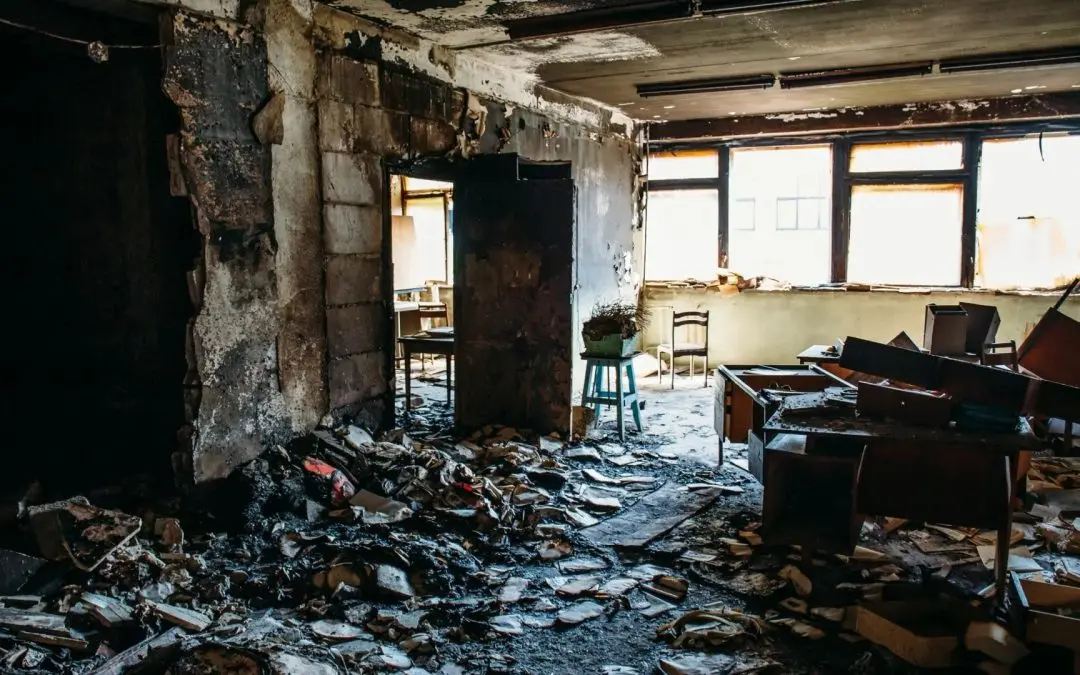
Living near the beautiful Redlands Bowl or the historic neighborhoods around the University of Redlands brings unique charm, but it also carries the responsibility of home maintenance. Understanding the common sources of residential fires is the first step toward protecting your property and your family. When accidents occur, having access to professional fire damage restoration in Redlands becomes an essential resource for homeowners navigating the aftermath of a disaster.
What are the most common causes of house fires?
Accessing professional fire damage restoration in Redlands is the primary step for homeowners dealing with structural issues following a fire. Most residential fires in our region are preventable, originating from everyday household activities and older infrastructure.
- Cooking accidents: Unattended stoves and high heat are leading sources of kitchen fires.
- Electrical system failures: Aging wiring, particularly in historic districts, can lead to arcing and sparks.
- Heating equipment: Fireplaces, space heaters, and HVAC units often cause fires when placed too close to flammable materials.
- Smoking materials: Careless disposal of cigarettes or matches remains a consistent risk factor.
- Candles: Open flames left unattended can easily ignite curtains or nearby décor.
Understanding these risks allows you to implement better fire safety tips for homeowners. By recognizing the warning signs in your own residence, you can take proactive measures before a small hazard turns into a significant structural event.
Why electrical faults are a major concern in historic Redlands homes
Many homes in Redlands date back to the early 20th century. While these properties feature beautiful architecture, the original electrical panels often cannot handle the power demands of modern appliances.
This mismatch creates a high risk for electrical fire damage repair needs. When an outdated circuit breaker is overloaded, the wiring behind the walls can heat up, eventually igniting the surrounding insulation or wooden framing.
Signs of electrical hazards include:
- Flickering lights or frequent blown fuses.
- Warm or discolored outlet covers.
- A persistent burning smell near switches or receptacles.
- Buzzing sounds coming from the walls or breaker box.
If you notice any of these signs, consider having a licensed electrician inspect your system. Proactive maintenance is far more affordable than the long term costs associated with cleaning up soot and repairing structural damage.
The impact of cooking on residential fire risk
Kitchen fires are the most frequent cause of residential property damage in Southern California. The combination of high heat, oil, and flammable kitchen towels creates an environment where a fire can spread in seconds.
Many residents in the downtown business districts or suburban areas underestimate how quickly a grease fire can reach the cabinetry. Once the flames touch the overhead cabinets or the vent hood, the damage can quickly affect the entire kitchen layout and neighboring rooms.
- Never leave a stovetop unattended while frying, boiling, or grilling.
- Keep a lid nearby to smother small grease fires.
- Ensure that curtains and dish towels are kept far away from the stovetop burners.
- Check that your stove is clean and free of leftover grease buildup.
If a kitchen fire does occur, the resulting smoke residue often contains heavy protein deposits. These are particularly difficult to remove without professional cleaning equipment, as they can cause permanent discoloration on walls and ceiling surfaces.
How heating systems contribute to fire hazards
Redlands experiences significant temperature fluctuations throughout the year. When winter temperatures drop, many residents rely heavily on space heaters or fireplaces to keep their homes comfortable.
Misusing these heating sources is a top cause of winter house fires. Placing a space heater too close to bedding or using a fireplace without a properly inspected chimney creates a clear path for flames to escape.
To maintain fire safety tips for homeowners, keep these practices in mind:
- Maintain a three foot clearance zone around all space heaters.
- Ensure fireplace screens are closed at all times to prevent embers from landing on carpets.
- Schedule annual inspections for your furnace to ensure the heat exchanger is not cracked.
- Verify that your smoke alarms are functional and located near all bedrooms and living areas.
Comparing common fire causes and prevention
| Fire Cause | Prevention Strategy | Immediate Action |
| Cooking | Never leave heat unattended | Cover the pan with a lid |
| Electrical | Upgrade old wiring panels | Shut off the main breaker |
| Heating | Keep flammable items away | Extinguish fire in fireplace |
| Candles | Blow out before leaving room | Ensure wax is cool |
| Smoking | Dispose in water or sand | Soak with water thoroughly |
Why professional restoration is essential after a fire
Once a fire is extinguished, the property faces secondary damage. Soot and ash are acidic, meaning they continue to degrade surfaces long after the flames have been suppressed.
If you suspect you have experienced damage from a house fire, contact us to discuss your specific needs.
Waiting to act allows the acidic residue to etch glass, permanently stain upholstery, and corrode sensitive electronics. Professional mitigation teams use specialized air scrubbers and thermal fogging equipment to neutralize these chemicals, which is a process standard cleaning agents cannot replicate.
Are all fires treated the same during the cleanup process?
The cleanup approach depends heavily on the fuel source of the fire. Protein fires from the kitchen require different enzyme-based cleaners than the soot produced by an electrical or insulation fire.
Professional teams categorize the damage to ensure the correct protocols are used. This prevents the spreading of soot during the cleaning process, which often happens when homeowners attempt to scrub walls with water based solutions.
- Assessment of structural stability.
- Neutralization of acidic smoke odors.
- HEPA vacuuming of fine particulate matter.
- Cleaning of HVAC systems to prevent soot recirculation.
Can I clean smoke damage from my walls myself?
It is generally not recommended to clean extensive smoke damage yourself. Household cleaners are not formulated to break down the carbon bonds found in fire residue. Using them often leads to smearing the soot deeper into porous surfaces like drywall or painted wood, which can make the area impossible to restore without professional intervention.
Why do my electronics need special care after a fire?
Smoke particles are conductive and corrosive. Even if a computer or television was not directly touched by flames, the soot particles can enter the internal circuitry and cause short circuits later on. Professional restoration services clean the internal components of electronics to extend their lifespan and prevent malfunctions.
Does homeowners insurance cover electrical fire damage?
Most standard policies cover fire damage, including electrical accidents. However, the extent of coverage often depends on whether the wiring was up to code and if regular maintenance was performed. It is always wise to consult your policy and document the incident thoroughly with photographs before the cleanup process begins.
What is the biggest mistake homeowners make after a fire?
The most common mistake is failing to act within the first 48 hours. During this period, soot is most volatile and easier to remove. Delaying the cleanup allows the soot to harden and become embedded in your home materials, which significantly increases the complexity and cost of the restoration process.
How does the local environment affect restoration?
The dry climate in Redlands can cause soot to set more quickly on surfaces compared to more humid environments. Furthermore, local building materials in historic districts, such as vintage plaster or older wood finishes, require delicate handling to avoid causing more damage during the restoration phase.
Conclusion
Preventing residential fires starts with awareness of your home systems and common household hazards. Whether you live in a new development or a historic property near Smiley Park, maintaining your electrical, heating, and cooking appliances is the best way to safeguard your home. When unexpected incidents happen, relying on All American Mitigation ensures that you have a trusted local partner to handle the complexities of fire damage restoration in Redlands. We are committed to restoring your home to a safe, stable environment so you can focus on moving forward with your family.
