
A washing machine hose fails in a laundry room and floods the floor while the homeowner is at work. By the time it’s discovered and cleaned up that evening, the water has already soaked into the baseboards and the wall behind the machine. Days later, a musty smell shows up in that corner of the house, even though the floor looks dry.
That pattern, water damage today and a mold problem within the week, is common enough that mold remediation services for water damage Addison TX residents search for are often needed even after a leak seems fully cleaned up. Surface drying isn’t the same as structural drying, and mold only needs a small amount of trapped moisture to get started.
This article explains how water damage leads to mold, what a combined water and mold remediation process looks like, and what steps help prevent the same problem from happening twice.
How Water Damage Turns Into a Mold Problem
Mold spores exist almost everywhere, indoors and outdoors, but they need moisture to grow. Water damage supplies exactly that. Once materials like drywall, insulation, wood framing, or carpet padding stay wet, mold can begin growing within 24 to 48 hours.
The tricky part is that surfaces can look dry within a day while the material underneath is still holding moisture. A baseboard might feel dry to the touch while the drywall behind it stays damp for days, quietly creating the conditions mold needs.
The Connection Between Water Extraction and Mold Prevention
Because of that timeline, how water damage is initially handled has a direct effect on whether mold becomes a second problem. Our water mitigation process starts with identifying the source and extent of the intrusion, followed by removing standing water with professional-grade extraction equipment.
From there, industrial drying and dehumidification equipment removes moisture from structural materials, not just the visible surface. That drying step is where mold prevention actually happens. Skipping it, or stopping too early because a room looks and feels dry, is one of the most common reasons mold shows up after a leak that seemed handled.
What a Combined Water and Mold Remediation Process Looks Like
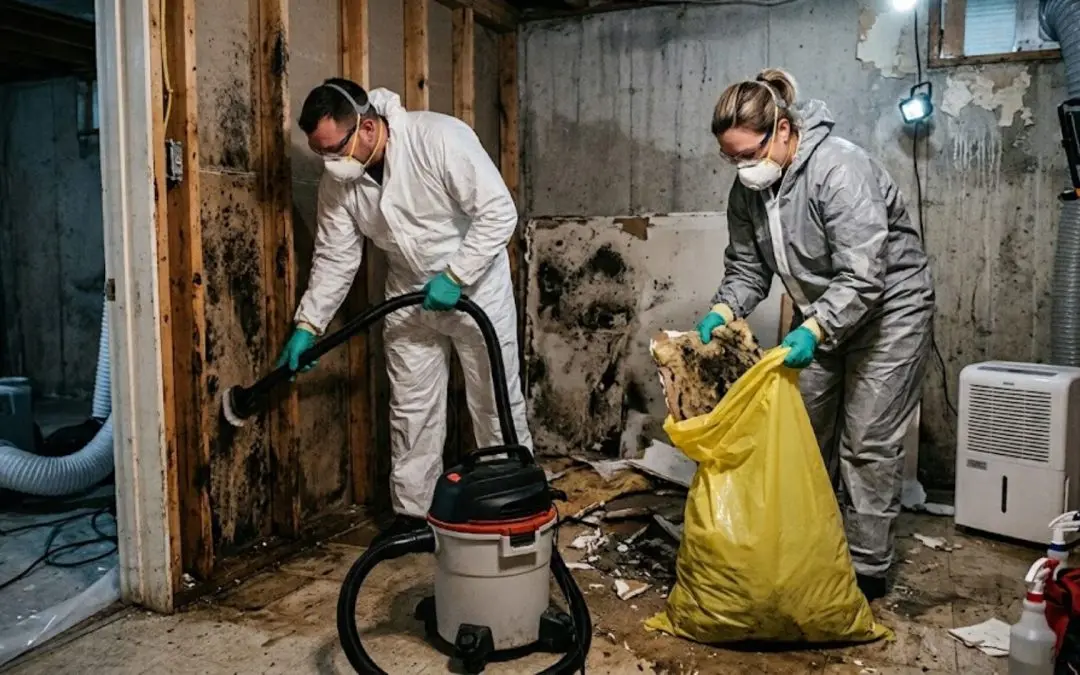
When water damage has already led to mold growth, or the risk is high enough to treat proactively, the process combines both services rather than treating them separately.
1. Assessment of Both Water Source and Mold Extent
The first step identifies where the water came from and how far it traveled, along with a moisture check of surrounding materials to see whether mold has already started or is likely to develop.
2. Containment and Extraction
Any remaining standing water is removed, and the affected area is contained to prevent mold spores from spreading to unaffected parts of the property while the work continues.
3. Removal of Non-Salvageable Materials
Porous materials that absorb significant water, such as soaked drywall, insulation, or carpet padding, are often removed rather than dried in place, since fully drying them can be unreliable and they’re more likely to harbor mold even after cleaning.
4. Antimicrobial Cleaning and Structural Drying
Remaining surfaces are treated to address mold growth, and industrial drying equipment runs until structural materials reach a safe moisture level, not just until the space looks dry.
5. Restoration and Repairs
Once the area is fully dry and treated, damaged materials that were removed are replaced to restore the space to its condition before the water damage occurred.
Common Sources of Water Damage That Lead to Mold in Addison
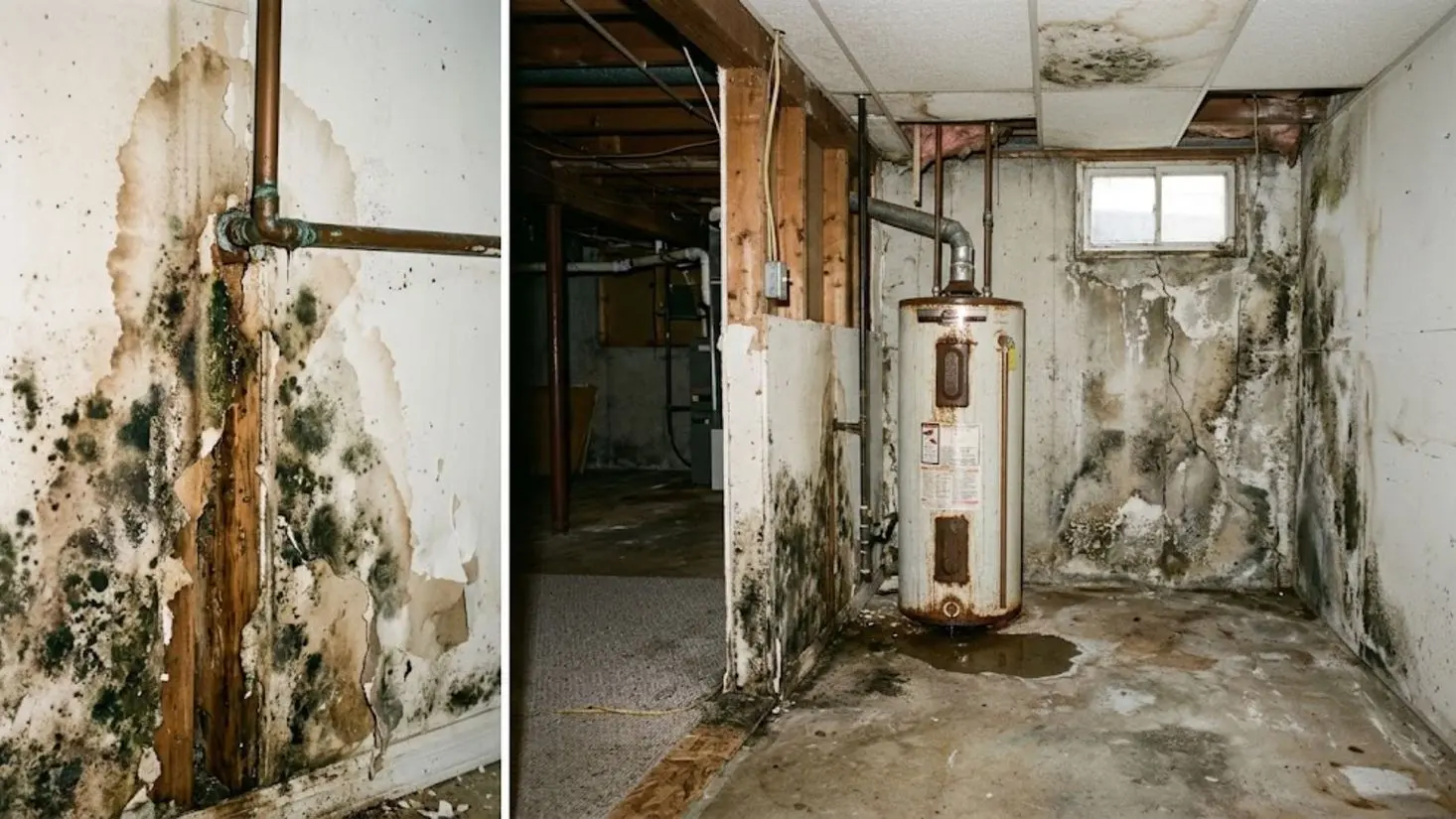
A few situations tend to show up repeatedly in homes and businesses across the area:
- Burst or leaking pipes, especially in older plumbing behind walls or under slabs
- Roof leaks following heavy spring and summer storms common to North Texas
- Appliance failures involving washing machines, water heaters, or refrigerator lines
- HVAC condensation issues during long stretches of summer humidity
- Foundation or slab leaks that go unnoticed until flooring or baseboards show damage
Because Addison summers bring extended heat and humidity, any of these sources can create conditions favorable to mold faster than they might in a drier climate.
Why DIY Drying Often Isn’t Enough
Fans and dehumidifiers from a hardware store can help with surface moisture, but they’re rarely enough to fully dry structural materials like wall cavities, subfloor, or insulation after a significant water event.
That’s part of why homes that seem thoroughly dried out by the homeowner still develop mold weeks later. Professional drying equipment is designed to reach moisture trapped inside materials, not just the air in the room.
Insurance Considerations for Water Damage and Mold
Coverage for water damage and any resulting mold often depends on how the water got in. Sudden, accidental events like a burst pipe are more commonly covered than damage from a gradual issue like a long-term slow leak or lack of maintenance. Because of that, documentation matters. Photos of the damage, a written assessment, and a clear remediation record all help when filing a claim.
Related Services Worth Knowing About
Water damage rarely stays confined to a single issue. If the source was a roof leak during a storm, it’s worth having that checked alongside any water mitigation or mold remediation work, since an unresolved roof issue will just create the same moisture problem again.
Properties with more extensive water damage, especially where materials had to be removed, often need reconstruction work afterward to restore the space to its original condition once drying and mold remediation are complete.
Frequently Asked Questions
How soon after water damage should I worry about mold?
Mold can begin growing within 24 to 48 hours if moisture isn’t fully removed. Acting quickly on both extraction and drying is the best way to prevent it from taking hold.
Can mold grow even if the area was cleaned up right away?
Yes, if the drying wasn’t thorough. Surfaces can look and feel dry within a day while materials underneath, like drywall or subfloor, stay damp long enough for mold to develop.
Do I need both water damage and mold remediation, or just one?
It depends on how much time passed and how thoroughly the area was dried. An assessment can determine whether mold has already started or whether extraction and drying alone will prevent it.
Will my insurance cover mold caused by water damage?
It depends on the cause of the water intrusion and your specific policy. Sudden events are typically more likely to be covered than gradual damage, so it’s worth reviewing your policy details.
What’s the risk of not fully drying a water-damaged area?
Beyond mold growth, materials that stay damp can weaken over time, and lingering moisture can lead to repeat problems even after visible repairs are made.
Key Takeaways on Mold Remediation for Water Damage in Addison, TX
Water damage and mold are connected closely enough that treating one without fully addressing the other usually leads to the same problem resurfacing. The window between a leak happening and mold taking hold is narrow, which makes thorough extraction and structural drying just as important as any visible cleanup.
If your Addison property has recent water damage or a mold problem tied to a past leak, our team at All American Mitigation is available 24/7 to assess both the water source and the mold risk together. Call (945) 277-2488 or email to schedule a mold remediation assessment.
