
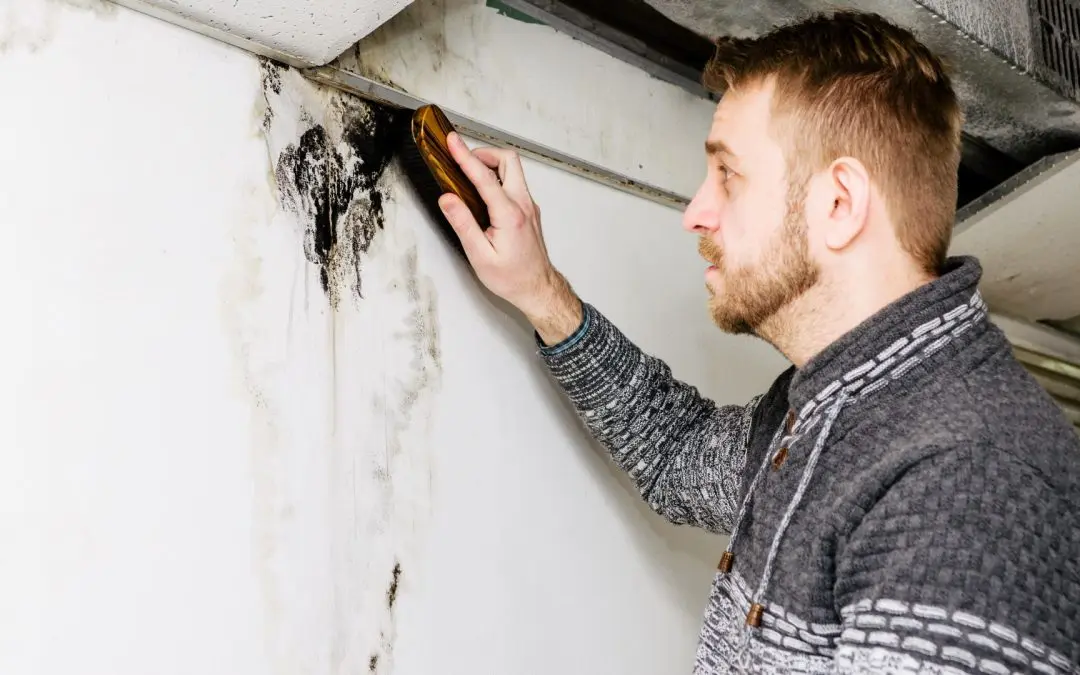
Any Redlands home that has dealt with a leak, a flash flood, or a plumbing failure faces a second problem once the water itself is gone: the moisture left behind in walls, flooring, and other materials. Mold does not need much time or much water to take hold once conditions are right, and a house that looks dry on the surface can still have hidden moisture feeding growth behind drywall or under flooring. This guide covers what causes mold after water damage, the warning signs to watch for, and what a professional mold remediation process actually involves.
Why Water Damage Leads to Mold Growth
Mold spores are present in nearly every environment, indoors and out, and they only need moisture, an organic food source, and time to start growing. Drywall, wood framing, carpet padding, and insulation all provide the kind of material mold can use once they stay wet. In a warm climate like Redlands’, that growth can begin within a couple of days of materials staying damp, which is faster than many homeowners expect.
Water damage does not have to be dramatic to create this risk. A slow leak under a sink, a small amount of water that seeped in during a storm, or a water heater that failed quietly overnight can all leave enough hidden moisture behind to start a mold problem, even when the visible mess seemed minor at the time.
Common Causes of Mold After Water Damage
- Incomplete drying. Materials that feel dry to the touch on the surface can still hold moisture deeper inside, especially subflooring, wall cavities, and insulation.
- Delayed response. The longer materials stay wet before drying begins, the more time mold has to establish itself.
- Hidden water intrusion. Leaks behind walls, under flooring, or in crawlspaces can go unnoticed for a while, giving mold a head start before anyone realizes there is a problem.
- High indoor humidity. Even after visible water is cleaned up, elevated humidity in a room can continue to feed mold growth on nearby surfaces.
Warning Signs of Mold in Your Home
Is a musty smell always a sign of mold? Not always, but a persistent musty or earthy odor, especially in a room that has had water damage, is one of the most common early indicators of mold growth and is worth investigating even if you cannot see anything visible yet. Other warning signs include:
- Visible spots or discoloration on walls, ceilings, or flooring, particularly in areas that have been wet before.
- Peeling, bubbling, or warping paint or wallpaper.
- Increased allergy-like symptoms, such as sneezing, coughing, or irritated eyes, that seem worse at home.
- Condensation or ongoing dampness on windows, pipes, or walls.
- Discoloration on baseboards or the bottom of drywall near a previous water intrusion point.
What to Do If You Suspect Mold After Water Damage
If you notice any of these signs following a leak, flood, or plumbing issue, avoid disturbing the area more than necessary, since scrubbing or moving affected materials can release spores into the air and spread the problem to other parts of the house. Keep the area ventilated if possible, but avoid running a central HVAC system if you suspect mold in the ductwork, since that can spread spores throughout the home. From there, a professional inspection is the most reliable way to confirm the extent of the problem before it grows further.
How Professional Mold Remediation Works
Inspection and Assessment
A technician evaluates the affected area, including checking for moisture in places that are not immediately visible, to determine the extent of the growth and identify the source of moisture that allowed it to start. Addressing the underlying moisture source is a necessary part of remediation, since removing mold without fixing what caused it usually means the problem returns.
Containment
Affected areas are typically contained to prevent spores from spreading to unaffected parts of the home during the remediation process.
Removal of Affected Materials
Materials that have absorbed mold growth, such as drywall, insulation, or carpet padding, often need to be removed rather than cleaned, particularly when growth has been present for a while or covers a significant area.
Cleaning and Treatment
Surfaces that can be salvaged are cleaned and treated using methods designed to address mold growth at the surface and reduce the chance of it returning.
Drying and Moisture Control
Since moisture is what allowed the mold to grow in the first place, drying the area thoroughly and addressing the original source of water intrusion, such as a leak or grading issue, is part of a complete remediation process rather than an afterthought.
Preventing Mold Growth After Future Water Damage in Redlands
- Address leaks and water intrusion as quickly as possible rather than waiting to see if they resolve on their own.
- Make sure any area that gets wet, whether from a storm, a leak, or an appliance failure, is fully dried, not just surface dry.
- Keep an eye on areas prone to humidity, such as bathrooms, laundry rooms, and crawlspaces, and address ventilation issues in those spaces.
- Have your home inspected after any significant water event, even if the visible damage looks minor, since hidden moisture is often the bigger risk.
When to Call a Professional Instead of Handling It Yourself
Small, isolated spots on a hard, non-porous surface can sometimes be cleaned without professional help. Signs that a situation calls for professional mold remediation include:
- Visible growth larger than a small, isolated patch.
- Growth on porous materials like drywall, carpet, or insulation.
- A musty smell that persists without a visible source.
- Any mold growth that followed a significant water event, such as a flood or a plumbing failure that went unnoticed for a while.
Contact All American Restoration & Mitigation for Mold Remediation in Redlands, CA
If your Redlands home has had a leak, a flood, or any kind of water intrusion, checking for mold growth afterward is worth the extra step, even if the visible damage seems minor. All American Restoration & Mitigation handles mold remediation as part of its water damage restoration services for homes and buildings throughout Redlands, along with fire damage restoration for properties dealing with related damage. If you suspect mold following water damage at your property, contact All American Restoration & Mitigation to have it assessed and addressed.
Frequently Asked Questions
How quickly can mold grow after water damage in a Redlands home?
Mold can begin growing within a couple of days once materials stay wet, particularly in a warm climate. This is why prompt drying after any leak or flood matters, even if the initial water damage seems minor.
Is a musty smell always a sign of mold?
Not necessarily, but a persistent musty or earthy odor, especially following water damage, is one of the more reliable early indicators of mold growth and is worth having inspected even without visible signs.
Can I clean mold myself instead of hiring a professional?
Small, isolated spots on hard, non-porous surfaces can sometimes be handled without professional help. Larger areas, mold on porous materials like drywall or carpet, or growth following a significant water event typically call for professional remediation to address both the visible mold and the underlying moisture source.
Does homeowners insurance cover mold remediation after water damage?
Coverage depends on your specific policy and the circumstances of the water damage that led to the mold. Reviewing your policy or speaking directly with your insurance provider is the most reliable way to understand what is covered in your situation.
Will drying out a wet area prevent mold from growing?
Prompt, thorough drying significantly reduces the risk, but it needs to reach materials that are not surface dry, such as subflooring and wall cavities. Incomplete drying is one of the most common reasons mold develops after a water event that seemed to be handled at the time.
How long does mold remediation take?
The timeline depends on how large the affected area is, which materials are involved, and whether the underlying moisture source has already been resolved. A technician can provide a more specific estimate after assessing the property.
