
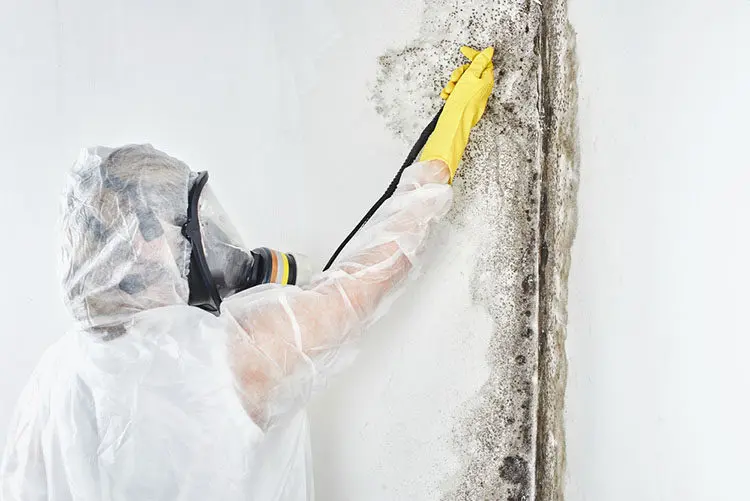
Mold is a silent intruder that can cause significant problems for homeowners in San Bernardino, CA. Often hidden in damp, dark areas, mold can affect your home’s structure and, more critically, your family’s health. Ignoring mold growth or delaying its remediation can lead to severe consequences, making it crucial to address the issue promptly.
Even though mold is naturally occurring, certain types pose serious health risks. Exposure to mold spores can lead to respiratory issues, allergic reactions, and even more severe conditions for those with weakened immune systems. Recognizing the importance of timely mold remediation is an essential step in safeguarding both your home and family.
Understanding how to detect mold, the steps involved in professional remediation, and ways to prevent future growth provides you with the knowledge to act swiftly and effectively. By taking proactive measures, you can maintain a healthy living environment and avoid costly damage to your property.
Understanding the Dangers of Mold
Mold poses several dangers, especially when it takes hold in your home. First and foremost, mold can have severe health impacts. Exposure to mold spores can cause allergic reactions, asthma attacks, and respiratory issues. People with compromised immune systems, children, and the elderly are particularly vulnerable. Some types of mold, like black mold, produce toxins that can lead to even more serious health problems.
Mold can also cause significant structural damage to your home. It thrives in damp environments and can rapidly spread on materials like wood, paper, and drywall. Over time, mold can weaken structures, leading to costly repairs. Floors, walls, and ceilings can all be affected, diminishing the integrity and safety of your home.
Beyond health and structural risks, mold can also decrease your property’s value. Homes with visible mold or a history of mold issues can be harder to sell and often fetch lower prices. This makes proactive mold remediation not just a health imperative but a financial one as well.
Signs You Need Mold Remediation
Recognizing the signs that you need mold remediation is essential for addressing the problem early. Here are some indicators that mold may be present in your home:
1. Musty Odors: A persistent musty smell, especially in damp areas like basements, bathrooms, or under sinks, is a common sign of mold.
2. Visible Growth: Mold appears in various colors, including black, green, white, or yellow. It’s often found in patches and can appear fuzzy or slimy.
3. Water Damage: Areas that have been affected by water damage are prime spots for mold growth. Stains, peeling paint, or warped walls and floors can indicate water issues that may lead to mold.
4. Health Symptoms: If you or your family members experience unexplained allergic reactions, coughing, sneezing, or respiratory issues, particularly when at home, mold could be the culprit.
5. Condensation: Frequent condensation on windows, pipes, or walls can create the moisture mold needs to grow. Addressing these moisture issues promptly is crucial.
Recognizing these signs early allows for timely intervention, which can prevent the mold from spreading and causing further damage to health and property.
Steps Involved in Professional Mold Remediation
Professional mold remediation involves several key steps to ensure the complete removal of mold from your home. Here’s an overview of the process:
1. Inspection and Assessment: The first step is a thorough inspection of the affected area. Specialists use tools such as moisture meters and infrared cameras to detect hidden mold. They also assess the extent of the damage and determine the type of mold present.
2. Containment: To prevent the mold from spreading to other areas of your home, the affected area is sealed off. This typically involves using plastic sheeting and negative air pressure to isolate the contaminated zone.
3. Air Filtration: High-efficiency air filters and air scrubbers are used to capture mold spores from the air. This helps to improve air quality and reduce the risk of mold spreading.
4. Mold Removal: Once containment and filtration are in place, the actual mold removal process begins. Contaminated materials like drywall, insulation, and carpet may need to be removed. Non-porous surfaces are cleaned with antifungal and antimicrobial treatments.
5. Cleaning and Sanitizing: All belongings in the affected area, such as furniture, clothing, and personal items, are cleaned and sanitized. This step helps to remove any residual mold spores and prevent re-infestation.
6. Restoration: After mold removal, the final step involves restoring the affected area to its original condition. This may include replacing drywall, painting, and installing new carpeting or flooring.
Preventing Future Mold Growth in Your Home
Preventing mold growth is easier and more cost-effective than dealing with an infestation. Here are some strategies to keep mold at bay:
1. Control Humidity: Keep indoor humidity levels below 60%. Use dehumidifiers in damp areas like basements and bathrooms to reduce moisture. Ensure good ventilation by using exhaust fans or opening windows, especially in moisture-prone areas.
2. Fix Leaks Promptly: Address any leaks in your roof, walls, or plumbing as soon as they occur. Even small leaks can provide enough moisture for mold to grow. Regularly inspect your home for signs of water damage.
3. Keep Gutters Clean: Ensure your gutters and downspouts are clean and functioning properly. This directs water away from your home’s foundation, reducing the risk of water infiltration.
4. Use Mold-Resistant Materials: When renovating or building, consider using mold-resistant drywall, paint, and insulation. These materials can help prevent mold growth in areas prone to moisture, such as basements and bathrooms.
5. Monitor Indoor Plants: Over-watering indoor plants can increase humidity levels, creating an environment conducive to mold growth. Use well-draining soil and avoid excessive watering.
6. Conduct Regular Inspections: Regularly check areas that are prone to moisture, like basements, attics, and crawl spaces. Early detection can prevent minor mold issues from becoming major problems.
Conclusion
Mold is a serious issue that San Bernardino homeowners should not ignore. It can affect your health, damage your property, and reduce your home’s value. Understanding the dangers of mold, recognizing the signs that you need remediation, and knowing the steps involved in professional mold removal are crucial for maintaining a safe living environment.
Taking proactive steps to prevent mold growth can save you from costly repairs and health issues down the line. From controlling humidity to fixing leaks promptly, these measures help ensure your home remains mold-free.
If you suspect mold in your home, don’t wait. Contact All American Mitigation for expert mold remediation in San Bernardino, CA. Our team is dedicated to providing thorough and effective solutions to keep your home safe and healthy. Reach out to All American Mitigation today to schedule an inspection and take the first step towards a mold-free home.
