
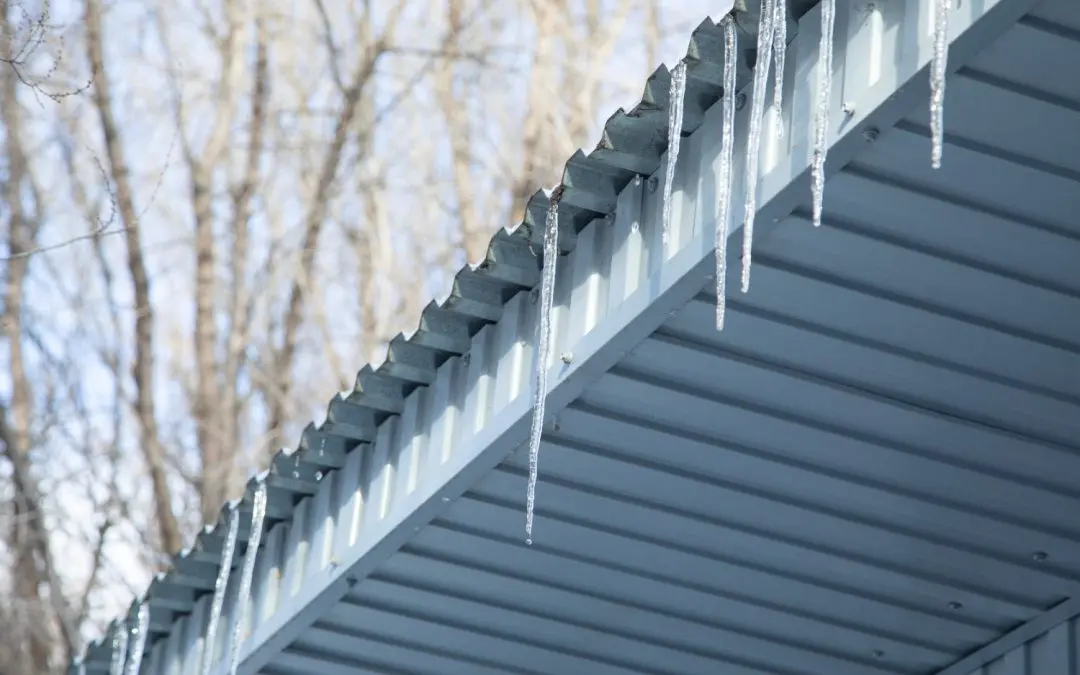
Winter can bring beautiful snowy landscapes, but it also comes with certain risks. In Highland, CA, homeowners might face problems like ice dams on their roofs. Ice dams form when snow on the roof melts, then refreezes at the edges. This creates a barrier that prevents water from draining properly, causing it to back up and potentially leak into your home.
Ice dams can lead to serious problems for your roof and your home’s structure. Water that seeps under shingles can damage insulation, walls, and ceilings. Additionally, the weight of the ice can put stress on the roof, leading to further damage.
Addressing ice dams quickly is crucial to avoiding expensive repairs. Understanding how they form, the damage they can cause, and how to prevent them can save you a lot of trouble. By taking the right steps, you can protect your home from the harmful effects of ice dams. Regular maintenance and simple preventative measures can make a big difference during the winter months.
Understanding Ice Dams and How They Form
Ice dams form when the heat from your home escapes through the roof, causing any snow on top to melt. The melted snow then flows down to the colder edges of the roof, where it refreezes, creating a dam of ice. This cycle continues, and the ice dam grows larger, trapping water behind it.
Several factors contribute to the formation of ice dams:
– Poor Insulation: Inadequate insulation allows warm air to escape into the attic, warming the roof and causing snow to melt.
– Ventilation Issues: Improper attic ventilation keeps warm air from escaping, which warms the roof and leads to snow melting.
– Uneven Roof Temperature: When some parts of the roof are warm while others are cold, it creates conditions perfect for ice dams. This often happens if the roof has different slopes or uneven sun exposure.
Ice dams can also form from natural conditions like heavy snowfall followed by a quick drop in temperature. Knowing how ice dams form can help you take steps to prevent them and protect your roof.
Damage Ice Dams Can Cause to Your Roof
Ice dams can cause significant damage to your roof and home if not addressed. Here are some common issues they can create:
– Shingle Damage: Water trapped by the ice dam can seep under the shingles, causing them to lift and become damaged. This makes your roof more vulnerable to leaks.
– Roof Leaks: As water backs up behind the ice dam, it can leak into your attic, causing water damage to ceilings and walls. This not only weakens the structure but leads to mold and mildew growth.
– Gutter Damage: The weight of ice dams can pull gutters away from the roof, causing them to sag or break. Damaged gutters won’t drain water properly, leading to additional water damage.
– Insulation Damage: When water leaks into the attic, it can saturate the insulation, reducing its effectiveness and leading to higher energy bills. Wet insulation also sets the stage for mold growth.
Recognizing the potential damage ice dams can cause underscores the importance of preventive measures. Addressing ice dams early can save you from extensive and expensive repairs.
Preventative Measures to Avoid Ice Dams
Taking steps to prevent ice dams can save you from costly repairs and water damage. Here are some effective ways to protect your roof:
– Improve Insulation: Proper insulation in your attic can keep warm air from escaping and warming your roof. This helps keep snow from melting unevenly and forming ice dams.
– Ensure Proper Ventilation: Make sure your attic is well-ventilated. Ridge vents, soffit vents, and gable vents can help circulate cold air and maintain an even temperature on your roof.
– Seal Air Leaks: Check for and seal any air leaks in your attic. Gaps around chimneys, vents, and light fixtures can allow warm air to enter the attic and contribute to ice dam formation.
– Use Ice and Water Shield: Install an ice and water shield under your roof shingles in areas vulnerable to ice dams, like eaves and valleys. This material can help prevent water from leaking into your home.
– Keep Gutters Clean: Regularly clean your gutters and downspouts to ensure proper drainage. Clogged gutters can trap water, making it easier for ice dams to form.
Implementing these preventative measures can significantly reduce the risk of ice dams and protect your roof from winter damage.
Steps to Take if You Have Ice Dams
If you already have ice dams, it’s crucial to address them promptly to prevent further damage. Here’s what you should do:
1. Remove Snow: Safely remove snow from the roof using a roof rake. Stand on the ground and pull the snow down the slope of the roof. Avoid pushing snow sideways, as it can damage shingles.
2. Melt the Ice: Create channels in the ice dam to allow water to flow off the roof. Use calcium chloride ice melt products, placing them in stockings and laying them perpendicular to the ice dam.
3. Check for Leaks: Inspect your attic and ceilings for signs of leaks. If you find water damage, take immediate steps to dry the area and prevent mold growth.
4. Hire Professionals: For large or persistent ice dams, consider hiring a professional. They have the tools and experience to safely remove ice dams without damaging your roof.
Following these steps can help you manage existing ice dams and minimize damage to your roof and home.
Conclusion
Ice dams pose a serious threat to the roofs of homes in Highland, CA. Recognizing how they form and understanding the damage they can cause is essential for homeowners. By improving insulation, ensuring proper ventilation, sealing air leaks, and taking other preventative measures, you can avoid the formation of ice dams and protect your home from winter water damage.
If you already have ice dams, taking immediate steps to remove them and check for leaks can prevent further issues. These measures help you maintain the integrity of your roof and avoid costly repairs.
For professional help with water mitigation services and ice dam removal, contact All American Mitigation. Our experienced team can assist you in protecting your home from winter damage. Reach out to All American Mitigation today to safeguard your roof and home from the dangers of ice dams.
