
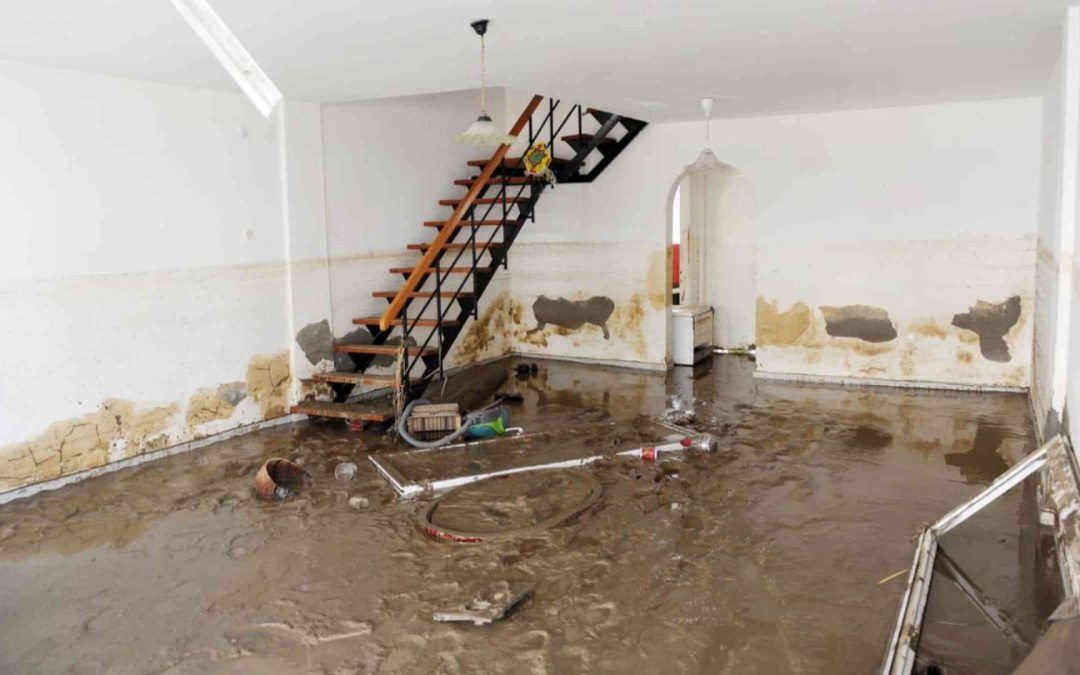
Yes, water damage is the primary catalyst for mold growth in Redlands homes, often beginning within 24 to 48 hours of initial saturation. Because the Inland Empire experiences high daytime temperatures and varying humidity, trapped moisture becomes a breeding ground for fungal spores. If you are dealing with a leak or flood, hiring a professional water damage company in Redlands is the most effective way to ensure that moisture is fully extracted before it transforms into a costly mold infestation.
How quickly does mold grow after water damage?
Mold growth after water damage typically begins between 24 and 48 hours after organic materials like drywall or wood become wet. Fungal spores are naturally present in the air around the Redlands Bowl and University of Redlands, but they require a consistent moisture source to colonize. If standing water is not removed and the relative humidity remains above 60 percent, colonies will start to form and become visible to the naked eye within just a few days.
The speed of growth is influenced by the temperature and the type of material affected. In the warmer climate of San Bernardino County, heat accelerates the metabolic process of mold. Common household materials such as the paper backing on drywall, carpet padding, and plywood subflooring provide the necessary nutrients for mold to thrive. Quick intervention is the only way to disrupt this biological cycle.
Why you should hire a water damage company in Redlands
Hiring a professional water damage company in Redlands is essential because they possess the industrial grade equipment needed to detect and remove moisture hidden behind walls and under floors. While a surface might feel dry to the touch, moisture often remains trapped in structural cavities where it can fuel mold growth for weeks. Professionals use infrared thermography and moisture meters to verify that a property has reached a safe dry standard.
Once a professional team arrives at your property in the Mariposa or South Hills neighborhood, they establish a drying plan. This plan focuses on lowering the specific humidity of the air to pull moisture out of dense materials. By controlling the environment, experts prevent the secondary damage that occurs when high humidity leads to mold on furniture and clothing in unaffected rooms.
Does mold remediation services in Redlands include water removal?
Yes, professional mold remediation services in Redlands always begin with comprehensive water removal and structural drying to eliminate the source of the problem. If you simply clean the mold without addressing the underlying moisture, the spores will inevitably return. Effective remediation requires a dual approach that involves physical removal of the fungal growth and the use of specialized drying technology to ensure the area stays dry.
In many historic homes near the A.K. Smiley Public Library, water can seep into lath and plaster walls that take much longer to dry than modern materials. Specialized mold remediation services in Redlands understand these architectural nuances. They use specialized containment strategies to prevent spores from spreading to other parts of the home during the cleanup process.
Understanding the science of moisture removal services in Redlands
The primary goal of professional moisture removal services in Redlands is to achieve a balanced drying environment through the use of LGR dehumidifiers and high velocity air movers. This process is known as psychrometry, which involves managing air temperature, humidity, and airflow to maximize evaporation. In the dry heat of the Inland Empire, professionals must carefully monitor these variables to prevent materials from drying too quickly, which can cause wood to crack.
When water enters a home, it exists in three states: liquid, vapor, and bound moisture. Liquid water is removed through extraction pumps. Vapor is managed by dehumidification. Bound moisture, which is deep within the pores of wood studs or concrete slabs, requires consistent airflow to be released. Professionals track these levels daily to ensure the structure is truly restored to its pre-loss condition.
Identifying hidden mold growth after water damage
Identifying mold growth after water damage requires looking beyond obvious stains and focusing on subtle signs like musty odors or warping materials. In many Redlands tract homes, slab leaks can occur under the foundation, leading to mold growth beneath the flooring long before any water is visible on the surface. If you notice a persistent earthy smell near your baseboards, it is a strong indicator that fungal activity is occurring out of sight.
- Musty Odors: A distinct, damp smell is often the first sign of hidden microbial growth in wall cavities.
- Discolored Walls: Look for yellow, brown, or black spotting on drywall, especially near the floor or ceiling.
- Bubbling Paint: Moisture trapped behind paint prevents it from adhering, often concealing mold colonies underneath.
- Allergic Reactions: Increased sneezing or respiratory issues when inside the home can signal the presence of airborne spores.
The role of local climate in Redlands mold issues
The local climate in Redlands plays a significant role in how moisture behaves within a building. While the region is known for its dry heat, the winter rainy season can introduce significant amounts of water into crawlspaces and basements. When this outdoor moisture meets the indoor environment of a home near Historic Downtown Redlands, the resulting humidity creates a perfect incubator for mold.
Poor ventilation in older Redlands homes can also trap humidity generated by daily activities like cooking or showering. Without proper exhaust systems, this moisture settles on cold surfaces, leading to condensation. This localized dampness can cause mold to grow on window sills and in the corners of closets even without a major flooding event.
Can mold growth after water damage be prevented?
Prevention of mold growth after water damage is entirely dependent on the speed and efficiency of the drying process. If the structure is dried to the appropriate standard within the first 48 hours, the risk of fungal colonization is virtually eliminated. This requires high volume extraction and the use of antimicrobial treatments to sanitize the affected surfaces during the initial cleanup phase.
If you are dealing with a significant leak, you should contact us to ensure the moisture is professionally mapped and removed.
Taking immediate action also involves removing saturated porous materials that cannot be dried quickly. This often includes carpet padding and certain types of insulation. By removing these items, you reduce the total moisture load in the room and allow the drying equipment to focus on the structural elements that are salvageable.
Comparing water categories and mold risk
The risk of mold is also dictated by the cleanliness of the water that entered the property. The IICRC categorizes water based on its source and potential contaminant levels.
| Water Category | Potential for Mold | Typical Source |
| Category 1 (Clean) | Moderate | Broken supply line, faucet overflow. |
| Category 2 (Gray) | High | Dishwasher discharge, washing machine leak. |
| Category 3 (Black) | Very High | Sewage backup, rising flood water, river runoff. |
Category 3 water poses the highest risk because it already contains a high concentration of organic matter and bacteria. In these cases, mold can begin to grow almost instantly because the water itself provides the nutrients. Homes near the Zanja or other drainage channels in Redlands are particularly susceptible to this type of intrusion during heavy storms.
Common moisture sources in Redlands neighborhoods
Redlands properties face several common moisture issues that lead to mold. In the North Redlands area, aging infrastructure can lead to unexpected pipe failures. In the more elevated areas like South Hills, irrigation runoff from hillside landscaping can sometimes find its way into crawlspaces, leading to chronic moisture problems that go unnoticed for months.
- Slab Leaks: These occur when copper pipes under the concrete foundation fail, often affecting homes in older residential districts.
- HVAC Condensation: Clogged drain lines in air conditioning units can leak water into attics or closets, fueling mold in hidden areas.
- Window Leaks: Older wood framed windows in historic districts can allow rainwater to seep into the surrounding framing.
- Roof Failures: Damaged tiles or shingles can allow water to enter the attic, where it often causes mold on the underside of the roof sheathing.
The professional process for mold remediation
The professional process begins with containment. Technicians use heavy duty plastic sheeting and negative air machines to create a sealed environment. This ensures that when moldy materials are moved, the spores do not travel through the HVAC system to the rest of your Redlands home. This is a critical step that DIY attempts often skip, leading to widespread contamination.
Once the area is contained, the actual removal begins. Non-structural materials that are heavily contaminated are bagged and removed. For structural elements like wood studs, technicians use specialized HEPA vacuums and wire brushing or sanding to remove the mold. Finally, the area is treated with an EPA registered antimicrobial solution to prevent any remaining spores from becoming active in the future.
How to manage moisture levels in your home
Maintaining low indoor humidity is the best defense against mold growth. Redlands homeowners should aim to keep their indoor relative humidity between 30 and 50 percent. Using a simple hygrometer, which can be purchased at most local hardware stores, allows you to monitor these levels easily. If you notice the humidity rising, using your air conditioner or a portable dehumidifier can help pull moisture from the air.
It is also important to inspect the exterior of your home regularly. Ensure that rain gutters are clear and that downspouts divert water at least five to ten feet away from the foundation. In neighborhoods with heavy clay soil, water can pool against the house, leading to hydrostatic pressure that forces moisture through concrete basement walls or crawlspace vents.
Is professional moisture removal services in Redlands worth it?
Investing in professional moisture removal services in Redlands is highly effective at preventing the long term costs associated with mold. The cost of a few days of equipment rental is significantly lower than the cost of a full scale mold remediation project, which often involves the demolition of walls and the replacement of expensive finishes. Furthermore, professional drying protects the resale value of your property by providing a documented record of a successful restoration.
Professional services also offer peace of mind. Knowing that a certified technician has used scientific instruments to verify that your home is dry means you do not have to worry about hidden rot or health issues developing later. This is especially important for families with young children or elderly members who may be more sensitive to indoor air quality.
How do I tell if mold is active in my Redlands home?
Active mold growth typically appears “fuzzy” or slimy and may have a distinct, pungent odor. In the Redlands area, active mold often thrives in dark, unventilated spaces like behind cabinets or under sinks. If the mold appears dry and powdery, it may be dormant, but it still poses a health risk and should be removed professionally, as dormant spores can be easily disturbed and inhaled.
Can I clean up mold from water damage myself?
You can typically handle mold on non-porous surfaces if the affected area is smaller than ten square feet. However, if the water damage has affected drywall, insulation, or wood flooring, DIY cleaning is usually insufficient. Because mold grows deep into the fibers of these materials, surface cleaning will not stop the growth, and professional intervention is required to ensure the spores are fully eradicated.
Does homeowners insurance in Redlands cover mold?
Insurance coverage for mold in California generally depends on the cause of the original water damage. If the mold resulted from a sudden and accidental event, such as a burst pipe, it is often covered. However, if the mold is the result of long term maintenance issues, such as a slow leak that went ignored, the claim may be denied. It is vital to document the water event immediately to support your claim.
How long does mold remediation take?
The mold remediation process usually takes between 3 to 7 days, depending on the extent of the damage and the materials involved. This timeline includes the setup of containment, the physical removal of mold, the drying of the structure, and the final air quality testing. Homes with complex layouts or significant structural damage may require more time to ensure all moisture and spores are removed.
What are the health risks of mold in a home?
Exposure to mold can cause a variety of health issues, ranging from minor allergic reactions to more severe respiratory problems. Common symptoms include sneezing, skin rashes, red eyes, and chronic coughing. For individuals with asthma or weakened immune systems, the presence of certain types of mold like black mold (Stachybotrys) can lead to more serious complications, making professional removal an urgent priority.
Protecting Your Property Investment in Redlands
The link between water damage and mold growth is a serious concern for any property owner in the Inland Empire. By understanding that fungal growth is a time sensitive issue, you can take the necessary steps to protect your home from long term structural damage and health risks. Effective restoration requires a combination of immediate action, specialized knowledge of the local climate, and the use of professional grade drying technology.
When you are faced with a water emergency, having a partner who understands the specific needs of the local community is invaluable. All American Mitigation is a trusted local service provider that helps residents navigate the complexities of water and mold restoration. Whether you live in a modern home in the University District or a historic estate near the South Hills, they provide a comprehensive solution to ensure your living environment remains safe and dry. As a premier water damage company in Redlands, they focus on precision, integrity, and the use of advanced moisture detection to return your home to its best possible condition.
