
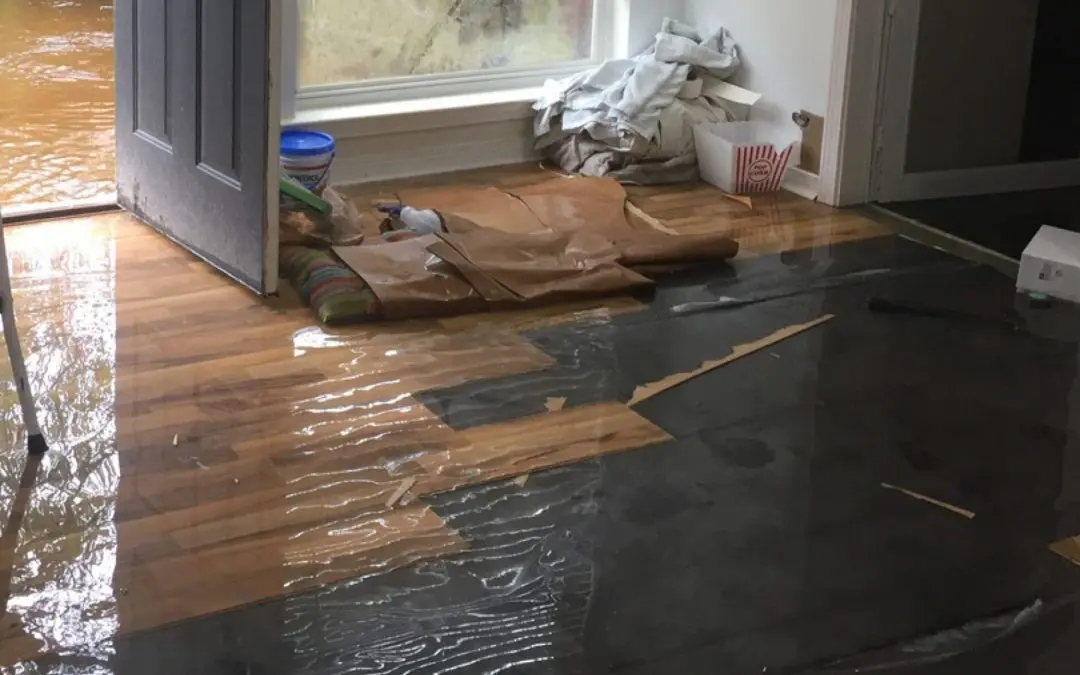
If you’ve ever experienced a major leak, storm flood, or sudden plumbing failure in your Denton home, you know how overwhelming the aftermath can feel. In those early moments, the question of water damage restoration Denton quickly becomes top priority. Homeowners don’t just want to know what needs to happen, they want to understand how long the entire process will take and what to expect at each stage. Whether it’s a severe basement flood, a burst pipe in the attic, or a first-floor water surge during heavy rainfall, the timeline for full restoration depends on several key factors.
What is the typical timeline for water damage restoration Denton?
Full restoration after major water damage generally follows a predictable sequence, but the length of each stage varies depending on the severity of the event, the materials affected, and how quickly the mitigation process begins. Understanding the order of events can help Denton homeowners prepare for the full recovery process.
water damage restoration denton – The phases you should expect
Restoration begins with emergency response, moves into extraction and cleanup, followed by structural drying, repair work, and ends with inspection and return to normal living conditions. While every case is different, this framework applies to most Denton properties.
Emergency response and containment (0–24 hours)
The first phase focuses on stopping the water source, shutting off electrical hazards, and beginning water removal. Rapid action prevents the damage from spreading to additional rooms or structural components. When professionals arrive quickly, they immediately assess the severity and begin mitigation, shortening the overall timeline significantly.
Water extraction and demolition (1–3 days)
Standing water is removed using commercial pumps and vacuums. Damaged materials like carpet, padding, baseboards, and sections of drywall may be removed to allow deeper drying. If the flooding was severe, technicians may also clear debris, pull up flooring, or remove saturated insulation. Homes with large affected areas or multiple rooms may require more time in this phase.
Drying, dehumidification, and monitoring (3–10+ days)
Once water is extracted, the drying process begins. Industrial air movers and dehumidifiers run continuously to pull moisture from materials. Teams check moisture levels daily using specialized meters. Weather in Denton can influence drying times. High humidity slows evaporation, while well-ventilated spaces dry more quickly. Severe flooding, saturated structural wood, or water trapped in wall cavities may extend this phase beyond 10 days.
Repair and reconstruction (1–4 weeks or more)
After drying is complete, the rebuild process begins. This can include installing new drywall, painting, replacing flooring, repairing cabinetry, or addressing structural elements. A large project involving multiple rooms or contaminated water (such as Category 3 water) may require more extensive reconstruction. Homes that suffered storm flooding or foundation water intrusion often have longer rebuild timelines.
Final inspection and move-in
Once repairs are finished, professionals perform a final moisture inspection to ensure the property is safe. Furniture is moved back in, fixtures are reinstalled, and the home is prepared for normal occupancy again. This final step varies depending on the extent of the rebuild and the homeowner’s schedule.
What factors affect the full restoration timeline in Denton homes?
Every water damage restoration project is different, and Denton’s climate, soil type, and home construction all contribute to variations in the timeline. These factors determine how quickly or slowly restoration occurs.
Severity and volume of water
A small leak behind a sink dries much faster than a full-floor flood caused by heavy rainfall. The more water present, the longer extraction and drying will take. Contaminated water also increases demolition needs, adding time to the initial phases.
Type of materials affected
Porous building materials like carpet, insulation, and drywall absorb water quickly and may require removal. Hardwood floors, subflooring, and structural wood take far longer to dry, especially if water seeped beneath the surface. The type of flooring and the structure of the home influence how long drying and rebuilding will take.
Climate and humidity conditions
Denton’s weather can impact restoration significantly. High humidity slows evaporation, while cooler temperatures may slow equipment efficiency. Homes with limited ventilation may require additional equipment or longer drying periods.
Access and layout of the property
Tight spaces, multiple floors, basements, and crawl spaces affect how easily technicians can set up equipment. Basement flood cleanup Denton homeowners face often takes longer due to the difficulty of extracting water from low-level areas.
Insurance and approvals
Approval delays in insurance claims or repair plans can pause reconstruction. While mitigation usually begins immediately, some rebuild steps require insurer review, which can extend the overall timeline.
Extent of reconstruction
Light cosmetic repairs may take just a few days, while homes needing major structural reconstruction may require several weeks. Homes with mold growth, foundation issues, or electrical damage will have longer timelines.
How long does home flood recovery Denton usually take?
For moderate to severe floods, homeowners typically experience a recovery period ranging from 3 to 8 weeks. Homes with multiple water-logged rooms, contaminated water, or structural effects may need longer. Basement floods, which involve deeper saturation, often fall at the longer end of the range. In extreme cases—such as storms causing whole-home flooding, restoration may require several months, especially if construction materials are back-ordered or specialty structural repairs are needed.
How can homeowners speed up the water damage restoration process?
Take action immediately
Stopping the water source quickly minimizes damage and reduces drying time. Calling professionals right away allows them to extract water before it spreads further.
Keep affected areas clear
Remove furniture, rugs, and valuables from wet areas. This gives restoration teams more freedom to position drying equipment efficiently.
Maintain proper ventilation
Running HVAC systems or opening windows when recommended helps move moisture out of the home. Always follow technician guidance to avoid slowing the drying process.
Cooperate with insurance adjusters
Providing documentation quickly and responding promptly to requests helps expedite approvals. Many Denton homeowners coordinate scheduling through the team’s support page, linked at the contact page, simplifying the claims process.
Work with a full-service restoration provider
Providers that handle mitigation, drying, reconstruction, and final inspection streamline the process.
Restoration timeline examples
To understand how timelines vary, here are sample scenarios Denton homeowners commonly face:
Small leak in a single room
Drying: 2–4 days
Repairs: 2–5 days
Total: Within 1 week
Major kitchen or bathroom leak affecting drywall and flooring
Drying: 5–10 days
Repairs: 1–3 weeks
Total: 3–4 weeks
Basement flood covering 800 sq ft
Extraction: 1–2 days
Drying: 7–14 days
Repairs: 2–4 weeks
Total: 4–6 weeks
Whole-home storm flood with contaminated water
Extraction: 2–3 days
Drying: 10–20 days
Repairs: 1–3 months
Total: 8–12+ weeks
Table: Typical Water Damage Restoration Timeline Breakdown
| Restoration Stage | Average Duration |
| Emergency Response | 0–24 hours |
| Water Extraction | 1–3 days |
| Structural Drying | 3–10+ days |
| Repairs & Rebuild | 1–4+ weeks |
| Final Inspection | Variable |
FAQs
- How long does full restoration usually take after major water damage in Denton?
Most homes require 3 to 8 weeks, depending on drying, materials, and reconstruction needs. - Does a basement flood take longer to restore?
Yes. Basement flood cleanup Denton projects often take longer because basements absorb more moisture and require deeper extraction. - What affects the water damage restoration timeline Denton residents experience most?
Severity of water intrusion, material type, humidity, accessibility, and insurance approvals are the biggest factors. - Can homeowners stay in the home during restoration?
It depends on the extent of damage. Minor repairs may allow occupancy, while severe flooding often requires temporary relocation. - How can I ensure the restoration process stays on schedule?
Respond fast, follow technician instructions, maintain clear communication, and choose a full-service restoration provider.
Conclusion
Understanding the full timeline for water damage restoration Denton gives homeowners clarity during one of the most stressful experiences imaginable. From emergency response to drying and reconstruction, the process varies based on severity, materials affected, and environmental conditions. Whether dealing with a small leak or full-scale flooding, knowing what to expect helps you prepare, plan, and restore your home safely.
At All American Mitigation, our team specializes in comprehensive recovery solutions designed for Denton properties. If you’re navigating the aftermath of major water damage, we’re ready to guide you through every stage of restoration with confidence and care.
