
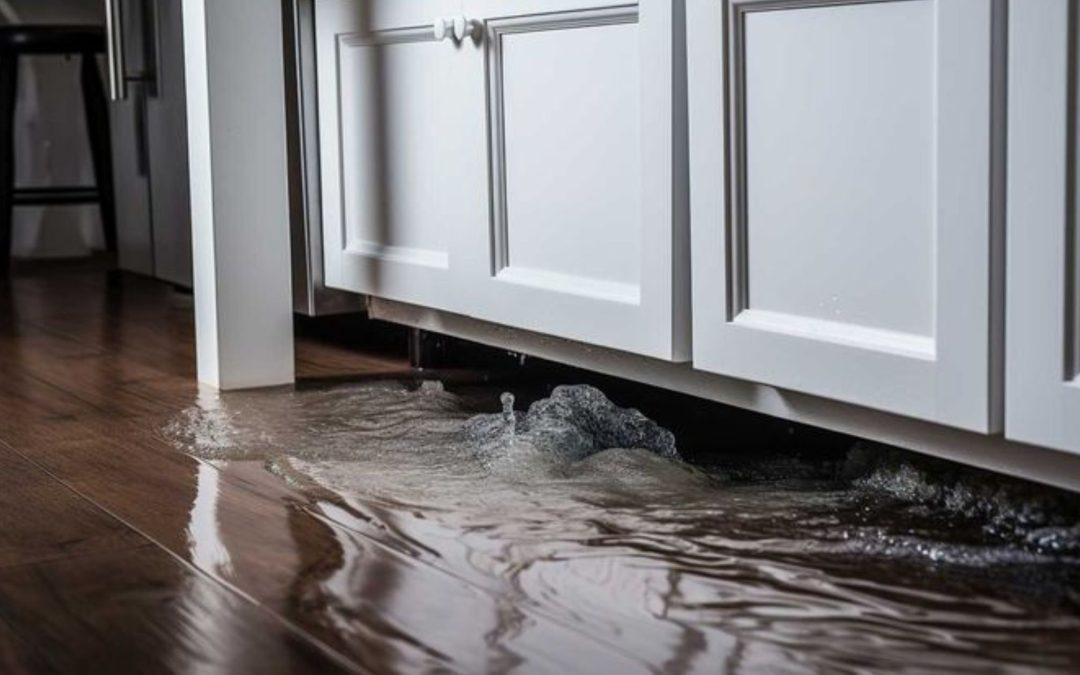
Water damage rarely comes with a warning. A burst pipe, overflowing appliance, roof leak, or sudden storm can quickly disrupt your home or business, leaving you with urgent questions about recovery time. One of the first concerns property owners have is how long the restoration process will take. Understanding the timeline for water damage restoration San Bernardino properties helps set realistic expectations and reduces stress during an already challenging situation. While every case is different, professional restoration follows a structured process designed to restore safety, function, and comfort as efficiently as possible.
The duration of restoration depends on several factors, including the source of the water, the extent of saturation, and how quickly professional help is brought in. From initial inspection to final repairs, each phase plays a role in determining the overall timeline. This guide explains what influences restoration time and what San Bernardino property owners can expect at each stage.
How long does water damage restoration take in San Bernardino properties?
The length of water damage restoration in San Bernardino properties can range from a few days to several weeks. Minor water incidents involving clean water and limited affected areas may be resolved within three to five days. More severe cases involving extensive saturation, contaminated water, or structural damage can take several weeks or longer.
A key factor in the timeline is how quickly restoration begins. Prompt response limits moisture spread and reduces secondary damage. Delays allow water to penetrate deeper into materials, increasing drying time and repair needs.
The restoration timeline also includes drying, cleaning, and repairs. While water removal happens quickly, complete drying and rebuilding require careful monitoring to ensure long-term safety.
Understanding water damage restoration San Bernardino timelines
Water damage restoration San Bernardino timelines follow a step-by-step process that prioritizes safety and thoroughness. Restoration is not rushed because incomplete drying or repairs can lead to mold growth, odors, and structural issues later.
The timeline typically includes inspection, water extraction, drying and dehumidification, cleaning and sanitizing, and repairs. Each phase depends on the successful completion of the previous step.
Understanding this process helps property owners appreciate why restoration may take longer than expected. Quality restoration focuses on long-term results rather than quick fixes.
Initial inspection and assessment phase
The restoration timeline begins with a professional inspection and assessment. This phase usually takes a few hours but is critical for determining the overall duration of the project.
During the inspection, technicians identify the source of water, classify the water type, and assess the extent of damage. Moisture meters and thermal imaging tools help locate hidden moisture behind walls and under flooring.
The assessment results guide the restoration plan and timeline. Accurate evaluation prevents missed damage that could extend the restoration process later.
Water extraction and moisture removal
Once the assessment is complete, water extraction begins immediately. Standing water is removed using high-powered pumps and vacuums.
This phase can take several hours to a full day, depending on the amount of water and size of the affected area. Faster extraction significantly shortens the overall restoration timeline.
Removing water quickly reduces saturation of materials and speeds up subsequent drying. This step is essential for keeping restoration on schedule.
Drying and dehumidification timeline
Drying is often the longest phase of restoration. Even after visible water is removed, moisture remains trapped in walls, floors, and structural materials.
Professional drying equipment such as air movers and dehumidifiers are strategically placed to control humidity and airflow. Moisture levels are monitored daily to ensure proper drying.
In many cases, drying takes three to seven days. Severe saturation or high humidity conditions may extend this phase, especially when structural materials are involved. This stage is a major factor in the overall water damage restoration timeline San Bernardino property owners experience.
Water damage drying San Bernardino climate considerations
The local climate plays an important role in drying time. San Bernardino’s warm temperatures can aid evaporation, but humidity levels and airflow still impact drying efficiency.
In enclosed spaces or during cooler seasons, drying may take longer. Proper equipment and monitoring are essential to prevent moisture from lingering in hidden areas.
Professional teams adjust drying strategies based on environmental conditions to maintain efficiency without compromising safety.
Cleaning and sanitizing affected areas
After drying, cleaning and sanitizing begin. This phase ensures that contaminants, odors, and residues are removed from affected surfaces.
Cleaning may take one to several days, depending on the extent of damage and type of water involved. Clean water incidents require less intensive sanitation than contaminated water events.
This stage restores indoor air quality and prepares the property for repairs. Skipping or rushing cleaning can lead to health concerns and longer-term issues.
Mold prevention and remediation impact on timelines
Mold prevention is a priority throughout restoration. When drying is delayed or moisture levels remain high, mold can begin developing within 24 to 48 hours.
Preventive treatments may be applied during drying to inhibit mold growth. If mold is discovered, remediation adds time to the restoration process.
Addressing mold properly may extend the timeline, but it prevents serious health risks and future damage. Professional handling ensures compliance with safety standards.
Structural drying and material evaluation
Structural drying focuses on materials such as drywall, framing, and insulation. Some materials can be dried and saved, while others must be removed.
Evaluating materials takes time and affects the restoration schedule. Salvaging materials shortens repair time, while removal and replacement extend the project.
This phase ensures that only safe and stable materials remain, supporting long-term durability.
Repair and reconstruction timelines
Once the property is dry and clean, repairs begin. Repair timelines vary based on the extent of damage and materials involved.
Minor repairs such as replacing baseboards or small drywall sections may take a few days. Larger projects involving flooring, cabinetry, or structural repairs can take weeks.
Water damage repair San Bernardino CA projects must meet local building codes, which can influence timelines. Permits and inspections may be required for extensive repairs.
Residential versus commercial restoration timelines
Residential water damage restoration typically focuses on living spaces and personal belongings. Timelines are influenced by room count, materials, and occupant needs.
Commercial properties often involve larger spaces and complex systems. Minimizing business interruption is a priority, which may require additional crews and extended work hours.
Understanding these differences helps property owners set realistic expectations for restoration duration.
How fast response shortens restoration time
One of the most effective ways to reduce restoration time is acting quickly. Immediate response limits water spread and material saturation.
Early extraction and drying reduce the need for extensive repairs and mold remediation. This can shorten the overall timeline significantly.
If you are dealing with water damage and need professional guidance, reaching out through contact our restoration team can help initiate timely restoration and reduce delays.
Hidden factors that can extend restoration timelines
Some factors are not immediately visible and can extend restoration timelines. Hidden moisture behind walls or under floors may require additional drying.
Structural damage discovered during repairs can also add time. Older properties may need upgrades to meet current codes.
Planning for potential delays helps reduce frustration and ensures restoration is completed properly.
The importance of monitoring and quality control
Monitoring moisture levels throughout restoration is essential. Technicians check progress daily and adjust equipment as needed.
Quality control ensures drying targets are met before moving to repairs. This prevents future issues that could require additional restoration.
While monitoring adds time, it protects property integrity and occupant safety.
Insurance coordination and its effect on timelines
Insurance coordination can influence restoration timelines. Approval processes and documentation requirements may cause delays.
Providing detailed reports and clear communication helps keep projects moving. Experienced restoration teams understand how to navigate insurance requirements efficiently.
Working with professionals familiar with insurance processes can reduce administrative delays.
What property owners can do to support faster restoration
Property owners can help shorten restoration time by acting quickly and following professional guidance. Reporting damage promptly and providing access to affected areas supports efficiency.
Avoiding DIY drying methods prevents interference with professional equipment and monitoring. Clear communication helps address concerns quickly.
Being informed and cooperative supports a smoother restoration process.
Frequently Asked Questions About Water Damage Restoration Timelines
How long does water damage restoration usually take?
Minor cases may take three to five days, while severe damage can take several weeks.
What causes restoration timelines to increase?
Delays, extensive saturation, mold growth, and structural repairs can extend timelines.
Can drying be rushed to save time?
Rushing drying can cause hidden moisture issues. Proper drying is essential for long-term safety.
Does insurance affect restoration time?
Insurance approval and documentation requirements can influence timelines.
When should restoration services be contacted?
Restoration services should be contacted immediately after water damage is discovered.
Conclusion
Water damage recovery takes time, patience, and professional expertise. From inspection and drying to repairs and final restoration, each phase contributes to the overall timeline. Understanding what affects water damage restoration San Bernardino timelines helps property owners plan effectively and reduce stress during recovery.
When you need reliable and efficient restoration services, All American Mitigation provides professional support tailored to San Bernardino properties. With prompt response and expert care, the restoration process becomes clearer, faster, and more manageable.
