
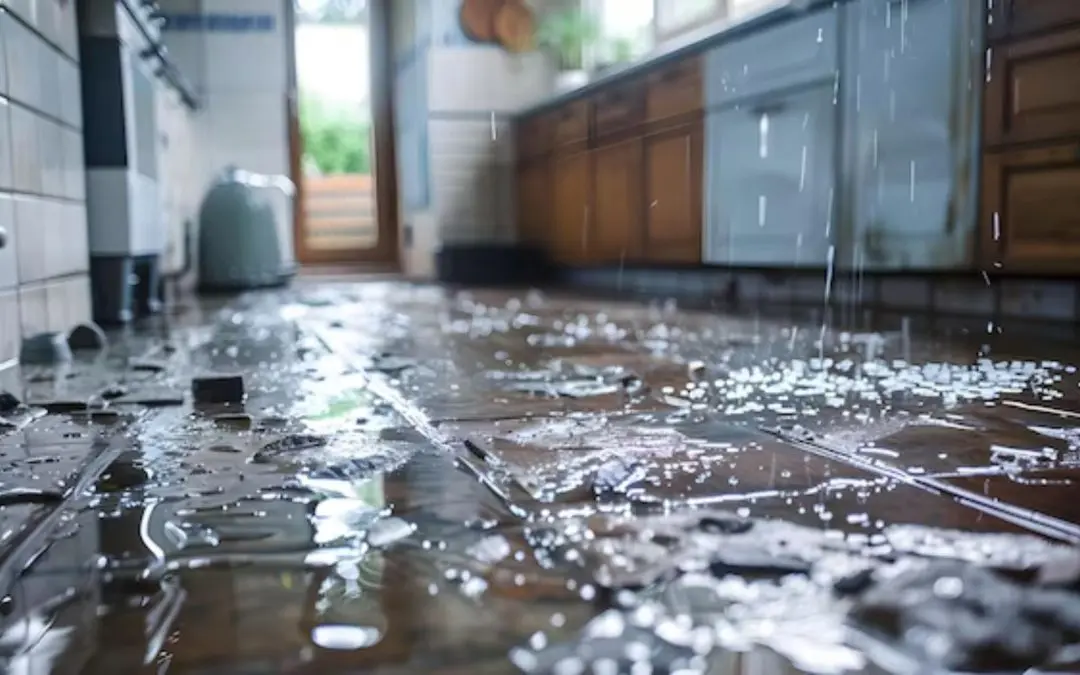
The moment you discover pooling water in your living room or hear the frantic spray of a broken pipe, the clock begins ticking against your property’s structural integrity. Dealing with water damage restoration riverside ca requires a level head and swift action because moisture can compromise drywall and flooring within minutes. In the Inland Empire, where temperatures can soar, humidity trapped inside a home creates a perfect breeding ground for microbial growth if not addressed instantly. You must prioritize safety while simultaneously taking steps to mitigate the spread of liquid to unaffected areas of your home or business.
Safety is the absolute priority when you are standing in a flooded room. Before you reach for a mop or start moving furniture, you must address the hidden hazards that water creates, specifically involving your electrical system. Water and electricity are a lethal combination, so you should head straight to your circuit breaker to shut off power to the impacted zones. If the water level has already reached electrical outlets, do not enter the room at all and wait for a professional to arrive.
Once the area is electrically safe, your next mission is to stop the flow at its origin. If you are dealing with a Riverside burst pipe response, locate your main water shut-off valve immediately to prevent thousands of gallons from further saturating your property. For localized leaks like a kitchen sink or toilet, there is usually a dedicated silver valve behind the fixture that can be turned clockwise to stop the water. Stopping the source is the only way to ensure that your cleanup efforts actually make progress rather than just managing a continuous flow.
What is the first thing to do when you have water damage?
The very first thing you should do is ensure the safety of all occupants by turning off the electricity and then stopping the water source to prevent further flooding. In the context of water damage restoration riverside ca, every minute the water sits is another minute it can seep into porous materials like wooden studs and subflooring. After the environment is stabilized, you must document everything for insurance purposes before any major cleanup begins. Taking clear photos and videos of the standing water and the source of the leak provides the essential evidence your adjuster will need to process your claim.
Documentation is a critical step that many homeowners overlook in the heat of the moment. Start from the entrance of the affected room and work your way toward the source, capturing wide angles and close-up shots of damaged baseboards and personal items. If you have any high-value electronics or heirlooms in the path of the water, move them to a dry, elevated location immediately. Proper documentation ensures that the full extent of the loss is recorded, which is vital when you contact-us to begin the professional recovery process.
After documentation, you can begin the physical work of removing the water, provided it is clean “white water” from a supply line. If the water appears murky or comes from a sewage backup, it is considered “black water” and contains hazardous pathogens that require specialized equipment to handle safely. For clean water, you can use a wet-dry vacuum or heavy-duty mops to extract as much standing liquid as possible from the surface. The goal is to reduce the volume of water that the structural materials can absorb during the waiting period.
Understanding the Drying Process
Drying a home involves more than just soaking up what you can see on the floor. Most of the moisture from a flood gets trapped inside wall cavities, under cabinets, and within the padding of your carpets. Professional restorers use industrial-grade air movers and LGR (Low Grain Refrigerant) dehumidifiers to pull moisture out of the air and the materials themselves. This prevents the primary cause of long-term structural failure, which is wood rot and the degradation of the home’s framing.
Effective evaporation requires a controlled environment where the humidity is constantly monitored. If the outside air in Riverside is dry and the weather is clear, opening windows can provide some initial relief through natural ventilation. However, in most cases, a closed-loop drying system is necessary to reach the deep-seated moisture that fans alone cannot touch. Without this professional-grade intervention, you may find that your home feels dry to the touch while the inner walls remain dangerously damp.
| Phase of Recovery | Immediate Action Item | Professional Requirement |
| 0-2 Hours | Stop water source & shut off power | Emergency assessment & moisture mapping |
| 2-24 Hours | Document damage & move valuables | Industrial water extraction & demo |
| 24-72 Hours | Surface drying & ventilation | Structural dehumidification & monitoring |
| 3+ Days | Sanitization & debris removal | Mold prevention & final reconstruction |
Protecting Your Belongings
Moving your furniture and personal items is a race against time and capillary action. Capillary action is the process where water “climbs” up porous materials like wooden furniture legs or fabric upholstery. To prevent permanent staining and warping, place aluminum foil or plastic blocks under the legs of heavy furniture that cannot be moved out of the room. This simple barrier breaks the contact between the wet carpet and the wood, saving many pieces that would otherwise be unsalvageable.
Clothing, rugs, and curtains should be removed from the wet area and hung up to dry if they are not heavily contaminated. For items like books and photographs, the recovery process is much more delicate. If you cannot dry them immediately, some experts recommend placing them in a freezer to stop the degradation process until a restoration specialist can use freeze-drying techniques to save them. Your priority should always be the items that are irreplaceable, such as family albums or legal documents.
Potential Health Hazards and Risks
Water damage is not just a threat to your building; it is a potential threat to your health. Within 24 to 48 hours of a flooding event, mold spores that are naturally present in the air can begin to colonize on wet surfaces. These colonies release allergens and mycotoxins that can cause respiratory issues, especially for children or the elderly. This is why emergency water cleanup Riverside services emphasize the need for rapid drying and the use of antimicrobial treatments on all affected surfaces.
Beyond mold, standing water can hide physical hazards like sharp debris or unstable flooring. In older Riverside homes, water can also disturb materials containing lead or asbestos, which requires a specific set of safety protocols for removal. If you suspect that the water has come into contact with hazardous materials, you should evacuate the area and let certified professionals handle the cleanup. Using the correct personal protective equipment, such as N95 masks and waterproof boots, is essential if you must enter the space.
Why Structural Integrity Matters
The skeletal structure of your home is designed to support immense weight, but it is not designed to be saturated. When wooden beams and joists absorb water, they swell and lose their load-bearing capacity. Over time, this leads to sagging floors, cracked ceilings, and doors that no longer fit in their frames. A professional water damage restoration riverside ca service focuses on returning these structural elements to their “dry standard” to ensure the long-term safety of the building.
If the water damage was caused by a roof leak during a Southern California storm, the insulation in your attic is likely compromised. Wet insulation loses its R-value and becomes a heavy, soggy mess that can cause your ceiling to collapse under the added weight. Removing this material quickly is necessary to protect the rooms below. Every component of the building, from the baseboards to the attic vents, plays a role in how the property handles moisture.
Navigating the Insurance Claim
Dealing with insurance companies can be one of the most stressful parts of property flooding. Most policies require the homeowner to take “reasonable steps” to prevent further damage, which is why your immediate actions are so important. By stopping the leak and starting the drying process, you are fulfilling your contractual obligation to mitigate the loss. Keep a detailed log of every person you speak to at the insurance company and every contractor who visits your home.
When you contact-us for restoration, we often work directly with your insurance adjuster to provide the technical data they need. This includes moisture readings, thermal imaging reports, and detailed inventories of damaged items. Having a professional advocate on your side can make the difference between a partial payout and a full recovery that covers all necessary repairs. Never sign a final settlement until you are certain that all hidden moisture has been removed and the restoration is complete.
Preventing Future Water Disasters
Once your home is restored, it is the perfect time to evaluate how to prevent a recurrence. Many water emergencies in Riverside are the result of aging plumbing or lack of maintenance on appliances like water heaters and dishwashers. Installing a smart water leak detection system can provide early warnings directly to your phone, allowing you to catch a small drip before it becomes a major flood. Regularly inspecting your supply lines and replacing plastic hoses with braided stainless steel versions is another cost-effective way to harden your home.
Check your water pressure regularly, as excessively high pressure can stress your pipes and lead to sudden bursts. In the Riverside area, hard water can also cause mineral buildup in your fixtures, which can lead to clogs and overflows. Taking these first steps after property flooding involves learning from the event to ensure it doesn’t happen again. A proactive approach to home maintenance is the best defense against the unpredictable nature of plumbing failures.
The Professional Restoration Advantage
While a DIY approach might seem tempting for a small spill, the complexities of water science make professional help invaluable. Specialists use infrared cameras to see through walls and identify exactly where the water has traveled. This precision prevents “ghost mold” from growing in areas that appeared dry but were actually saturated. The use of EPA-approved disinfectants ensures that your home is not just dry, but also sanitary and safe for your family to occupy.
A comprehensive water damage restoration riverside plan includes the reconstruction phase where your home is actually put back together. This means replacing the drywall, painting, and installing new flooring to match your existing decor. By hiring a full-service firm, you avoid the headache of managing multiple contractors for different parts of the job. You get a single point of accountability and a guarantee that the work meets industry standards for safety and quality.
Conclusion and Your Next Steps
The hours following a water intrusion are critical for the survival of your property. By following this guide—securing the power, stopping the water, and documenting the damage—you have already taken the most important steps toward recovery. Remember that you do not have to face this crisis alone. Whether it is a kitchen flood or a massive pipe failure, having experts on your side ensures that the job is done right the first time.
At All American Mitigation, we specialize in providing high-quality water damage restoration riverside ca that residents can depend on during their most difficult moments. Our team is equipped with the latest technology to handle extraction, drying, and full reconstruction. We understand the local climate and the specific challenges of Riverside properties, and we are committed to restoring your peace of mind along with your home. If you are currently facing a water emergency, don’t wait for the damage to get worse; reach out to us today and let us start the process of making your home whole again.
Frequently Asked Questions
How long does the water damage restoration process take?
Typically, the drying phase takes between 3 to 5 days, while the full restoration and reconstruction can take anywhere from a week to several weeks depending on the severity of the damage and the materials involved.
Will my insurance cover the cost of water damage restoration?
Most homeowners’ insurance policies cover water damage if it is “sudden and accidental,” such as a burst pipe. However, damage caused by lack of maintenance or gradual leaks may be excluded.
Can I stay in my house during the restoration?
It depends on the extent of the damage. If the flooding is confined to one room and the utilities are safe, you can often stay. However, if there is widespread flooding or sewage contamination, it is safer to relocate temporarily.
Does water damage always lead to mold?
Not necessarily. If the area is professionally dried within 24 to 48 hours, the risk of mold growth is significantly reduced. Mold only becomes a certainty when moisture is allowed to sit for extended periods.
What is the difference between water mitigation and water restoration?
Mitigation is the immediate process of preventing further damage (extracting water, boarding up), while restoration is the long-term process of repairing and rebuilding the property to its original state.
