
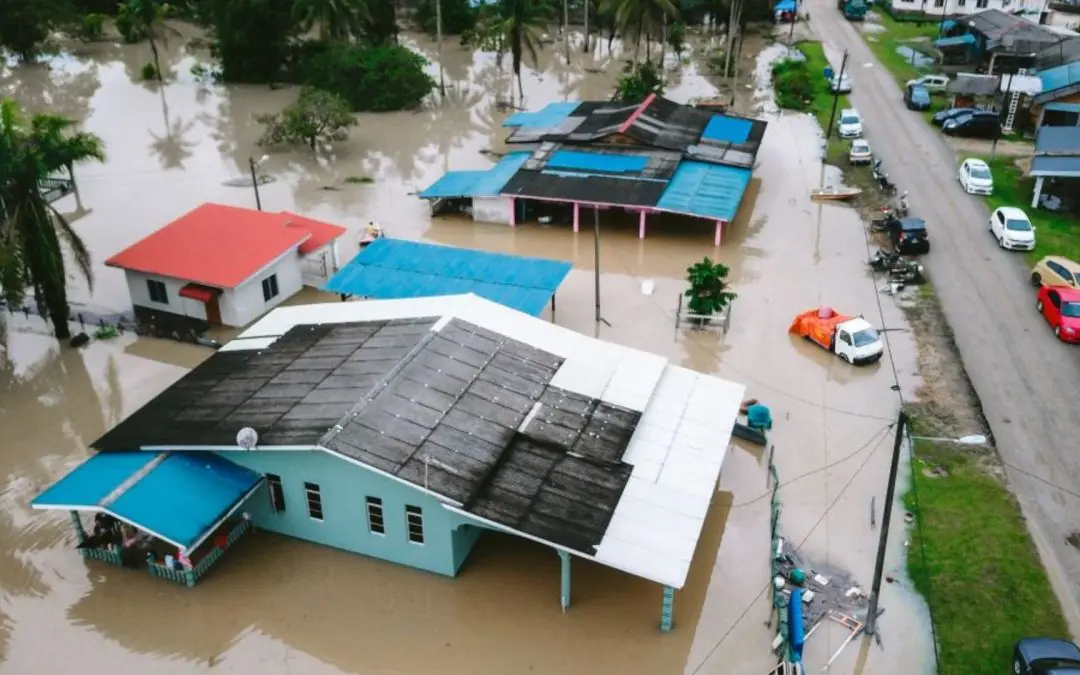
North Texas summers deliver rain in a particular way: nothing for two weeks, then three inches in ninety minutes. That pattern is exactly what overwhelms drainage. Addison sits in a dense, heavily paved corridor between the Dallas North Tollway and Midway Road, where parking lots, rooftops, and streets send runoff downhill faster than storm inlets can swallow it, and the low point is often somebody’s garage, lobby, or ground-floor unit.
What makes July flooding different from a simple pipe leak is what the water carries. Storm runoff picks up soil, lawn chemicals, oil from pavement, and whatever backs up out of a drain along the way, which puts it in a different cleanup category with different safety rules. It also arrives in volume, saturating insulation, wall cavities, and slab edges in a single event.
Flood damage cleanup in Addison is a race against two clocks at once: how fast the water comes out, and how fast contamination and humidity are brought under control before mold and structural damage take hold.
Why July Storms Increase Flood Damage Risks in Addison
Addison’s flood exposure in July comes down to intensity and surface. Summer storms in Dallas County concentrate heavy rainfall over small areas, and the neighborhood’s high ratio of pavement to open ground leaves that water nowhere to soak in. Add drought-hardened soil and the runoff volume climbs even higher.
1. Heavy Rainfall and Flash Flooding
A single slow-moving July cell can drop more rain in an hour than the ground can absorb in a day. Water sheets across pavement toward the nearest low point, whether that is a driveway apron, a sunken entry, or a loading dock. Flash conditions in Addison develop and drain within a couple of hours, but the interior damage they leave takes days to reverse.
2. Overflowing Storm Drains
Storm inlets clog quickly in summer with grass clippings, mulch, and debris knocked loose by wind ahead of the storm. Once an inlet is blocked, water backs up into the street and rises toward adjacent structures. Commercial properties along Addison’s business corridors are especially exposed because so much of the surrounding surface drains into a few collection points.
3. Foundation Water Intrusion
North Texas clay soil shrinks in summer heat, opening gaps along foundation edges. When heavy rain arrives, that gap becomes a direct channel to the slab perimeter and the base of exterior walls. Water enters at the sill plate or through slab cracks and wicks upward into drywall, often without a single drop appearing on the floor at first.
4. Water Entering Basements and Crawl Spaces
Below-grade areas such as basements, elevator pits, sub-slab mechanical rooms, and crawl spaces collect water and hold it long after the storm ends. Standing water in these spaces stays cool and dark, which is ideal for microbial growth. It also releases moisture upward into the occupied floor above, driving humidity across the entire building.
What Should You Do Immediately After Flood Damage?
The first hour matters more than most people realize, and the right moves are as much about safety and documentation as about water removal. Working in a deliberate order protects your health and protects your claim. Here is the sequence that consistently produces better outcomes.
1. Prioritize Safety Before Entering
Do not walk into standing water until power to the affected area is shut off at the breaker. Assume floodwater is contaminated and keep children and pets out entirely. Watch for sagging ceilings, buckled flooring, and anything that suggests the structure has shifted.
2. Document the Damage for Insurance
Photograph and video everything before you move a single item, starting with wide shots of each room, then close-ups of damaged materials and contents. Capture serial numbers on appliances and mechanical equipment where you can. Keep receipts for anything you buy or rent during the emergency, since many policies reimburse reasonable mitigation costs.
3. Remove Standing Water Quickly
Shop vacuums and pumps help with surface water, but they will not reach what has already traveled under cabinets and into wall cavities. If the power is off and the water is above ankle height, wait for crews with submersible pumps rather than wading in with a household unit.
4. Contact a Restoration Professional
A restoration crew brings extraction, containment, sanitization, and drying capacity in one visit. Calling early also gives you a documented start time, which matters if your carrier later questions how quickly you acted.
What Does Professional Flood Damage Cleanup Include?
Flood work goes further than standard water mitigation because contaminated water requires disinfection and selective removal of porous materials. A qualified crew works from a written scope built on moisture readings and material assessments, and the water category drives many of those decisions.
| Water category | Common July source in Addison | Handling requirement |
| Clean | Supply line break, water heater failure | Extract and dry, most materials salvageable |
| Gray | AC overflow, appliance discharge, washing machine | Disinfection required, porous materials often removed |
| Black | Storm runoff, sewer backup, rising floodwater | Full PPE, containment, removal of affected porous materials |
These four phases make up the bulk of the project.
1. Water Extraction
Truck-mounted and portable extraction units pull bulk water from floors, carpet, and below-grade areas as the first priority. Submersible pumps handle deeper accumulations in pits and crawl spaces. Saturated carpet pad and other non-salvageable porous materials are removed and disposed of during this stage.
2. Structural Drying
Air movers and commercial dehumidifiers work together to lift moisture from materials and pull it out of the air. Crews often drill inconspicuous access points to dry wall cavities and under-cabinet voids directly. Readings taken from unaffected rooms set the dry standard that affected materials are measured against.
3. Sanitization and Debris Removal
Because floodwater carries contaminants, affected surfaces are cleaned and treated with EPA-registered antimicrobials. Wet insulation, damaged drywall, and unsalvageable contents are removed and hauled out. Containment barriers and negative air machines keep debris and airborne particulates from spreading to unaffected areas.
4. Moisture Monitoring
Technicians return daily to record readings, reposition equipment, and confirm materials are trending toward dry. Equipment stays until documented targets are met, not until the floor feels dry to the touch. A final inspection closes the mitigation phase and clears the property for repairs.
| Material | After clean water exposure | After storm or floodwater exposure |
| Carpet pad | Usually replaced | Always replaced |
| Carpet | Often salvageable if dried quickly | Rarely salvageable |
| Drywall | Dried in place or cut low on the wall | Cut back above the water line |
| Batt insulation | Replaced if saturated | Always replaced |
| Solid hardwood | Sometimes saved with mat drying | Usually lost |
| Tile and concrete | Cleaned and dried in place | Cleaned, disinfected, dried |
Why Fast Flood Cleanup Reduces Long-Term Repair Costs
The cost curve on a flood loss is steep and it bends early. Water extracted within hours often means salvaging the flooring, keeping drywall cuts low on the wall, and limiting the project to a few rooms. Water left overnight in July heat means saturated wall cavities, contaminated insulation, and a humidity problem that spreads through the whole structure.
The second cost driver is microbial growth. Mold can be established within 24 to 48 hours on damp drywall paper and framing, and once it does, the project adds containment, remediation, air scrubbing, and clearance testing.
Structural repair costs climb too, as subfloor layers delaminate, engineered flooring swells past the point of reuse, and trapped moisture damages cabinetry from the inside out. Prompt flood damage cleanup in Addison also strengthens your claim, since carriers expect documented, reasonable steps to prevent avoidable additional loss.
Frequently Asked Questions
1. Is floodwater dangerous to clean up myself?
Storm and groundwater are treated as contaminated. Without protective equipment and proper disinfection, DIY cleanup risks illness and leaves bacteria behind in porous materials.
2. Does homeowners insurance cover flood damage cleanup in Addison?
Standard policies generally exclude rising floodwater, which requires separate flood coverage, though sudden interior failures like a burst pipe are typically covered. All American Mitigation documents the loss thoroughly so your adjuster can evaluate it accurately.
3. How long does flood cleanup take?
Extraction usually happens on day one. Drying commonly runs three to five days, with contaminated or below-grade areas sometimes taking longer.
4. Will my carpet and flooring survive?
Carpet pad is almost always discarded after a flood. Carpet itself is sometimes salvageable depending on water category and exposure time, while laminate and engineered wood usually are not.
5. Do you work on commercial properties?
Yes. Addison’s office and retail buildings are a regular part of the workload, and crews schedule around business operations wherever possible.
Schedule Flood Damage Cleanup in Addison Today
If stormwater has entered your home or business, the next few hours can make a significant difference in the extent of the damage. Standing water, a flooded crawl space, damp drywall near the baseboards, or a musty odor after a July storm are all signs that it’s time to schedule Flood Damage Cleanup in Addison before moisture leads to more extensive structural damage or mold growth.
At All American Mitigation, we provide prompt Flood Damage Cleanup in Addison with 24/7 emergency response. Our experienced crews arrive equipped with professional water extraction, sanitization, and structural drying equipment to begin mitigating damage immediately. We also document moisture readings and the restoration process to help support your insurance claim. Contact All American Mitigation today for a no-obligation estimate, and have your photos and insurance information available to help streamline the inspection and restoration process.
