
Discovering a pool of water in your hallway or a damp patch growing across your ceiling is a homeowner’s worst nightmare, particularly in a region like the Inland Empire where we often expect dry weather. While we enjoy a Mediterranean climate, the reality of water damage restoration riverside ca is a frequent necessity for local residents dealing with everything from aging infrastructure to sudden seasonal shifts. Whether it is a slow drip behind a kitchen cabinet or the aftermath of a rare but intense flash flood, understanding the root causes of these incidents is the first step toward protecting your property value and your family’s health. In Riverside, the combination of older residential piping and the unique soil expansion properties of our area creates a specific set of challenges that require a professional eye to mitigate effectively.
Many people assume that water damage only occurs during the rainy winter months, but in Southern California, indoor flooding is a year-round threat. High water pressure common in municipal lines can put undue stress on residential valves, leading to catastrophic failures when you least expect them. When water begins to infiltrate your structural materials, the clock starts ticking immediately, as porous surfaces like drywall and laminate flooring can sustain permanent damage within just a few hours. Recognizing the early warning signs of these common issues can mean the difference between a simple cleanup and a full-scale structural reconstruction project.
What is the most common cause of water damage in homes?
Statistically, plumbing failures remain the most frequent culprit for residential water damage, often manifesting as pinhole leaks or sudden pipe bursts in older neighborhoods. For many properties, aging galvanized steel or copper pipes eventually succumb to corrosion or “pitting,” which leads to a Riverside flood risk factors assessment that highlights the vulnerability of homes built before the 1990s. When these pipes are hidden behind walls or under concrete slabs, a leak can persist for weeks before any visible signs appear on the surface, often causing extensive damage to the foundation and framing in the process.
The high mineral content in local water can also accelerate the degradation of your plumbing fixtures and seals over time. This hard water leads to calcium buildup that can clog pressure relief valves or cause seals to become brittle and crack. If you notice a sudden drop in water pressure or a mysterious increase in your monthly utility bill, it is highly likely that a pipe has compromised your home’s integrity. Addressing these plumbing issues the moment they are detected is crucial to preventing the long-term saturation that necessitates professional water damage restoration riverside ca services.
Understanding Appliance Leak Damage Riverside
While the pipes in your walls are a major concern, the appliances you use every day are equally likely to cause a significant indoor flood. A common appliance leak damage Riverside technicians encounter involves the failure of washing machine supply hoses or refrigerator ice maker lines. These hoses are under constant pressure and, if they are made of standard rubber, can easily bulge and burst without warning. Because these appliances are often tucked into tight spaces, a leak can discharge hundreds of gallons of water into your flooring and subflooring before anyone realizes there is a problem.
Dishwashers and water heaters also rank high on the list of common local hazards. A water heater that has passed its ten-year lifespan is essentially a ticking time bomb, as the internal tank can rust through, leading to a sudden release of up to fifty gallons of hot water. Similarly, a dishwasher with a faulty door seal or a clogged drain line can slowly rot the kitchen cabinetry and the floor underneath. Regularly inspecting the connections and hoses of these major appliances is a simple preventative measure that can save you from a devastating loss.
How Burst Pipes Riverside Homes Occur
The phenomenon of burst pipes Riverside homes experience is often linked to shifts in the local soil or sudden temperature fluctuations that stress the metal. While Riverside doesn’t experience the deep freezes of the East Coast, we do have significant diurnal temperature swings that cause pipes to expand and contract. This mechanical stress, combined with the “hydrostatic pressure” of the surrounding soil, can cause older pipes to snap at the joints or develop long cracks. Once a pipe bursts, the volume of water released can quickly overwhelm your home’s drainage systems and seep into the crawlspace or basement.
| Common Cause | Primary Risk Level | Detection Method |
| Old Plumbing | High (Homes 30+ yrs) | Water bill spikes, damp spots |
| Appliance Failure | Moderate | Hoses cracking, pooling water |
| Slab Leaks | High (Foundation) | Warm spots on floor, sound of running water |
| Roof Leaks | Moderate (Seasonal) | Ceiling stains, missing shingles |
The Impact of Local Weather and Flash Flooding
Riverside’s geographic location makes it susceptible to intense, short-duration rainfall events that can overwhelm city storm drains. During these periods, the dry, sun-baked ground struggles to absorb moisture, leading to rapid surface runoff that can pool against your home’s foundation. If your property’s grading is not optimized to lead water away from the structure, you may find yourself dealing with “seepage” through the basement walls or via the garage. These external water intrusions are particularly dangerous because they often carry silt and outdoor contaminants that complicate the cleaning process.
Flash flooding can also lead to sewer backups if the municipal lines become inundated with rainwater. When a sewer line backs up into your home, it introduces “black water” (Category 3), which contains pathogens and bacteria that pose a serious health risk. This type of damage requires specialized sanitation protocols that go beyond simple drying. Ensuring that your gutters are clear and your downspouts are directed at least six feet away from the foundation is a vital step in mitigating the risk of weather-related water intrusion.
Hidden Slab Leaks: A Riverside Reality
Because many homes in our region are built on concrete slab foundations, “slab leaks” are a uniquely common issue for local property owners. These leaks occur when the water lines running underneath the concrete develop a hole, allowing pressurized water to shoot upward into the slab and eventually into your flooring. Because the water is trapped under the house, it can take months for a homeowner to notice a “warm spot” on the floor or a musty odor emanating from the carpet. A slab leak can silently erode the soil beneath your home, leading to foundation cracks and structural instability.
Detecting a slab leak early requires paying close attention to the sound of running water when all faucets are turned off. If you hear a persistent hissing or rushing sound behind your walls or under your feet, it is a clear indicator of a pressurized leak. Professionals use ultrasonic detection equipment to pinpoint the exact location of the break without having to tear up your entire floor. Promptly repairing a slab leak is essential to preventing the type of deep-seated moisture that leads to long-term mold colonies.
Why You Should Contact-Us for Professional Help
If you have discovered any of these common causes of damage in your home, the most important step you can take is to contact-us immediately for a professional assessment. Water damage is progressive, meaning it becomes significantly more difficult and expensive to fix the longer it is left untreated. A small leak that seems manageable today can easily turn into a structural disaster by next week if the moisture is allowed to reach the core of your home’s framing. Our experts have the tools and training to identify hidden moisture that a simple visual inspection would miss.
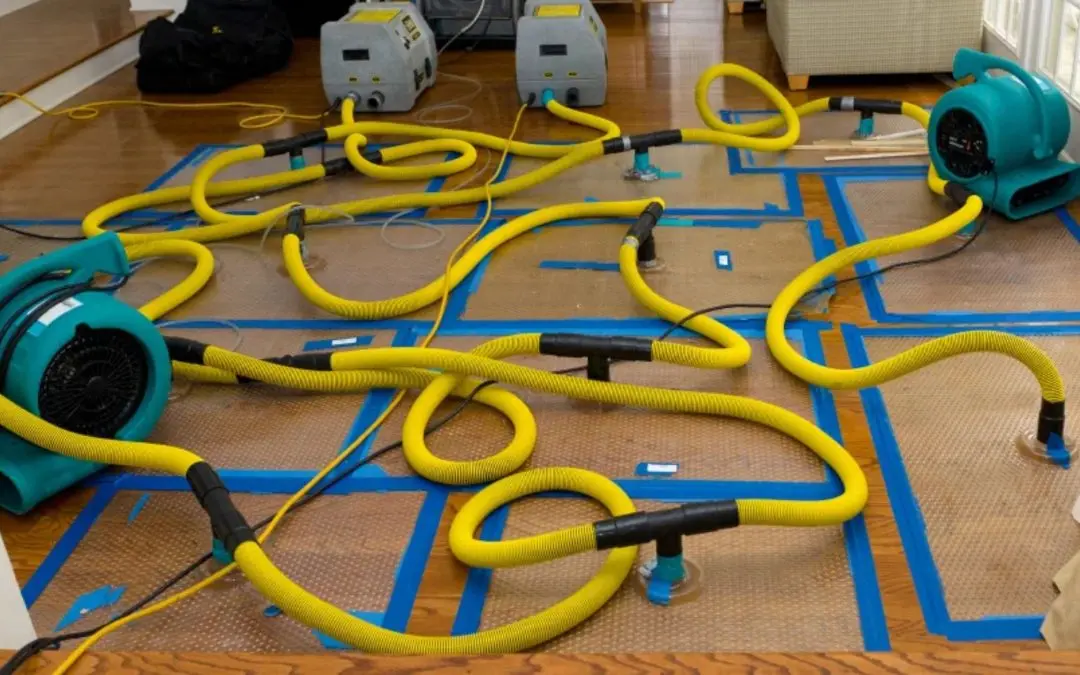
Attempting to handle a significant water event with a “shop vac” and household fans is rarely successful because these tools cannot pull moisture from deep within the drywall or subflooring. When you contact-us, we bring industrial-grade dehumidifiers and high-speed air movers that create a balanced drying environment. This professional approach ensures that your home is not just dry on the surface, but truly stabilized at a structural level. We also assist with the complex documentation required by insurance adjusters to ensure your claim is processed accurately.
The Role of Roof and Gutter Maintenance
While we don’t get daily rain, the intense Riverside sun can cause roofing shingles to become brittle and lose their granules over time. When the Santa Ana winds blow or the winter rains finally arrive, these compromised shingles can allow water to bypass the underlayment and enter your attic. Attic leaks are particularly insidious because the water can travel along rafters and appear in a room far away from the actual hole in the roof. By the time a yellow stain appears on your ceiling, the insulation in your attic is likely saturated and prone to mold growth.
Clogged gutters are another frequent cause of avoidable water damage. When needles from local pine trees or debris from palm fronds fill your gutters, rainwater has nowhere to go but over the edge and directly into your eaves or foundation. This constant “sheeting” of water can rot the fascia boards and lead to moisture intrusion in the walls of your home. A bi-annual cleaning of your gutters and a quick inspection of your roof flashings can prevent thousands of dollars in restoration costs later in the year.
Preventing Mold After a Water Event
One of the most concerning consequences of any of the common water damage causes mentioned is the rapid onset of mold and mildew. Mold spores exist naturally everywhere, but they only need a food source (like drywall) and a moisture source to begin a colony. In the warm Riverside environment, this process can begin in as little as twenty four to forty eight hours after a leak occurs. Once mold takes hold, the restoration process becomes much more complex, requiring containment zones and specialized HEPA filtration to prevent the spores from spreading to other parts of your home.
The best defense against mold is rapid, thorough drying. If we can reach the “dry standard” within the first three days, the likelihood of a mold infestation is drastically reduced. We use anti-microbial treatments during the mitigation process to neutralize any existing spores and provide a layer of protection as the materials dry. Protecting your indoor air quality is our top priority, and we take every precaution to ensure your home remains a healthy environment for your family.
Maintaining Your HVAC System
Your air conditioning system is a source of water that many homeowners overlook until it fails. As your AC unit cools the air, it pulls moisture out of the atmosphere, which then collects in a condensate pan and drains away through a small pipe. In Riverside, where AC units run heavily throughout the summer, these drain lines can easily become clogged with algae or dust. When the line clogs, the water backs up and overflows the pan, often leaking directly into your ceiling or onto your furnace’s electrical components.
Regularly flushing your AC drain line with a small amount of vinegar or having a professional service your HVAC system annually can prevent these “overflow” incidents. Installing a “float switch” is another excellent preventative measure; this device will automatically shut off your AC if the drain pan begins to fill up with water. Given how much we rely on climate control in the Inland Empire, keeping this system in top shape is a critical part of your home’s water defense strategy.
Conclusion and Expert Assistance
Understanding the common threats to your home’s integrity is the first step in being a proactive property owner in Southern California. From the hidden risks of slab leaks to the predictable failure of aging appliances, water damage is an ever-present concern that requires constant vigilance. By performing regular maintenance and acting quickly when you spot a problem, you can significantly reduce the impact of a water-related disaster. Remember that the scale of the damage is often determined by the speed of the professional response.
At All American Mitigation, we are dedicated to helping local families recover from the unexpected. Whether you are dealing with burst pipes Riverside homes frequently face or need immediate water damage restoration riverside ca services, our team is equipped to handle the job from start to finish. We bring years of experience and a commitment to quality that ensures your home is returned to its pre-loss condition as quickly as possible. Don’t wait for a small leak to become a major headache, reach out to us today and let us protect your home.
Frequently Asked Questions
Is water damage in Riverside usually covered by insurance?
Most “sudden and accidental” water damage, such as a burst pipe or a water heater failure, is covered by standard homeowners insurance. However, damage caused by long-term neglect or lack of maintenance may be excluded, which is why early detection is so important.
How can I tell if a damp spot is new or old?
A fresh water stain will often feel wet or cool to the touch and may be a brighter color. An older stain is usually dry, brittle, and may have a darker, yellowish ring around the edges. If the spot is soft or mushy, it is an active leak that needs immediate attention.
What is the difference between a slab leak and a regular pipe leak?
A slab leak occurs specifically in the pipes located underneath or within your concrete foundation. A regular pipe leak usually happens in the walls, attic, or under sinks. Slab leaks are more difficult to detect and require specialized equipment to find.
Should I call my insurance company or a restoration company first?
It is generally best to call a restoration company first to perform emergency mitigation and stop the damage from spreading. We can help you document the loss correctly, which makes the subsequent insurance claim process much smoother for you.
Can hard water really cause my pipes to leak?
Yes, the high mineral content in “hard” water can cause scale to build up inside pipes and on the seals of your fixtures. Over time, this buildup creates friction and corrosion that eventually weakens the metal or causes seals to fail, leading to leaks.
