
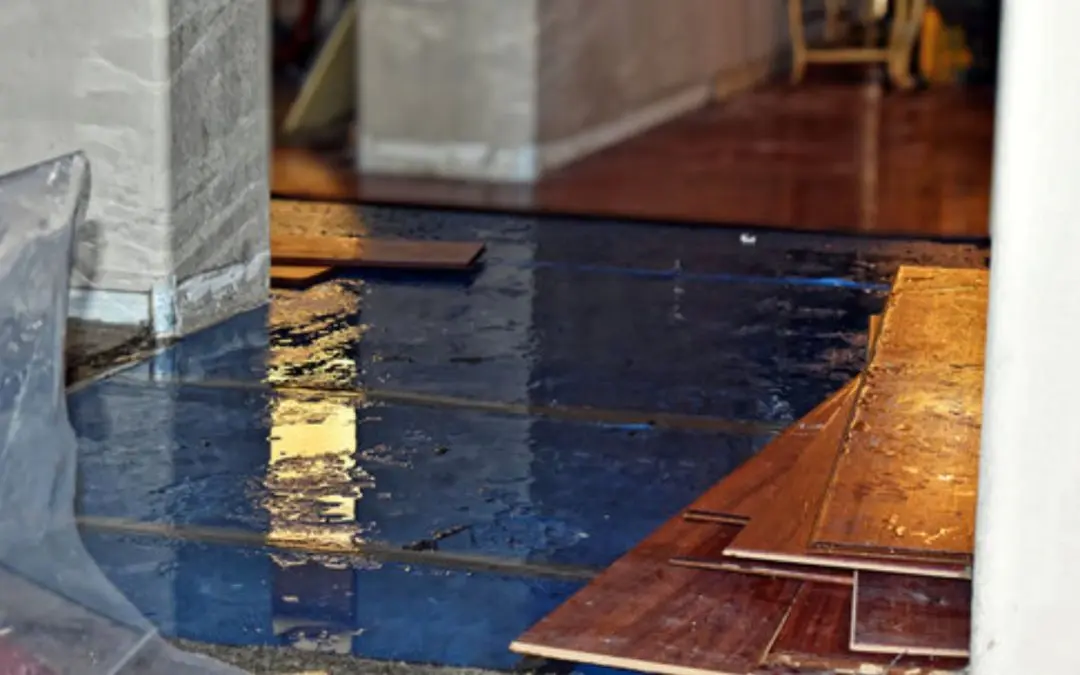
If you are dealing with a sudden burst pipe or storm-related flooding in your home, you need immediate solutions to prevent mold growth and structural decay. Identifying the most reliable water damage restoration services in Plano TX involves looking for rapid response times, IICRC-certified technicians, and a deep understanding of the local North Texas climate. The best providers prioritize high-powered extraction, industrial-grade dehumidification, and transparent communication to return your property to its pre-loss condition as quickly as possible.
How do I choose the best water damage restoration company?
Selecting a reliable water damage restoration service in Plano TX requires checking for 24/7 availability and specialized equipment. Because moisture migrates quickly into drywall and flooring, a company must be able to arrive at your property within an hour to mitigate the extent of the damage. You should also verify that the team uses moisture infrared cameras to detect hidden pockets of water behind walls that the naked eye cannot see.
Local homeowners often face unique challenges due to the expansive clay soil in the North Texas region. When a home suffers from a slab leak or major plumbing failure, the structural integrity of the foundation can be compromised. Choosing a local expert ensures they understand how to navigate the specific building codes and insurance requirements common in Collin County.
Essential Credentials for Restoration Experts
- IICRC Certification: This ensures the technicians follow the S500 Standard for professional water damage restoration.
- General Liability Insurance: This protects your property and the workers during the high-risk cleanup process.
- Advanced Drying Equipment: Look for companies using LGR (Low Grain Refrigerant) dehumidifiers and high-velocity air movers.
- Positive Local Reputation: Check for consistent reviews from neighbors in areas like Willow Bend or Kings Ridge.
What is the first thing to do when you have water damage?
The first step is to ensure your personal safety by turning off the main power breaker if the water has reached electrical outlets or submerged appliances. Once the area is safe, you must stop the source of the water by shutting off the main water valve to the house. Promptly documenting the damage with photos and videos is also critical for the insurance claims process that will follow.
In many Plano neighborhoods, such as those near the Chisholm Trail or Bluebonnet Trail, older plumbing systems may be prone to sudden failures. If the leak is caused by a broken appliance hose or a water heater malfunction, getting the water shut off immediately can save thousands of dollars in flooring replacement costs. After the source is controlled, your next call should be to a professional to begin the extraction process.
When you are ready to move forward with professional help, you can contact us to discuss the specific needs of your property and schedule an immediate inspection. Getting an expert on-site early is the most effective way to prevent secondary damages like wood rot or permanent staining of expensive carpets.
How long does it take for water damage to cause mold?
Mold spores can begin to colonize and grow on damp surfaces within 24 to 48 hours of initial exposure to moisture. In the humid Texas environment, especially during the spring storm season, this timeline can be even shorter if the indoor temperature is not controlled. To prevent a biohazard situation, professional drying must be initiated almost immediately after the flooding occurs.
Reliable emergency water damage restoration Plano TX teams focus on “the golden window,” which is the first 24 hours after the incident. During this time, the goal is to reduce the relative humidity in the affected rooms to below 60 percent. This creates an environment where mold cannot thrive, protecting the health of your family and the air quality of your home.
Factors That Accelerate Mold Growth
- High Humidity: Indoor humidity levels above 60% act as a catalyst for fungal growth.
- Stagnant Air: Areas with poor circulation, like closets or crawlspaces, are high-risk zones.
- Organic Food Sources: Drywall, wood studs, and carpet padding provide the nutrients mold needs to spread.
- Temperature: Mold thrives in the same warm temperatures that humans find comfortable.
Does insurance cover water damage restoration in Plano?
Standard homeowners insurance typically covers water damage if it is “sudden and accidental,” such as a pipe burst or a dishwasher overflow. However, damage caused by lack of maintenance or gradual seepage over many months is often excluded from basic policies. It is important to review your specific coverage for “sewer backup” or “sump pump failure,” as these often require separate endorsements.
Living in North Texas means being prepared for intense weather events near landmarks like Oak Point Park or the Arbor Hills Nature Preserve. If water enters your home from the ground up during a heavy rainstorm, this is classified as “flood damage” and is usually only covered if you have a separate policy through the National Flood Insurance Program (NFIP). A professional restoration team can help you document the “Category” of water to assist your adjuster in making an accurate determination.
To ensure your claim is handled with the highest level of detail, you can contact us for assistance with documenting the structural drying logs required by most major insurance carriers. This documentation proves that the house was returned to the “dry standard,” which is essential for maintaining the resale value of your home.
What are the different categories of water damage?
Restoration professionals classify water into three categories based on its level of contamination. Category 1 is “Clean Water” from broken supply lines; Category 2 is “Gray Water” which may contain chemical or biological contaminants like soapy water from a laundry machine. Category 3 is “Black Water,” which is highly unsanitary and originates from sewage backups or rising floodwaters from the street.
The cleaning protocol changes significantly depending on the category. For example, if your home near the Legacy West business district suffers a Category 3 backup, all porous materials like carpets and pads must be removed and disposed of for safety. Professional water damage repair Plano TX specialists use specialized antimicrobial treatments to sanitize the remaining structural elements before the rebuild begins.
| Water Category | Common Sources | Health Risk | Action Required |
| Category 1 | Faucets, supply lines, water heaters | Low | Extract and dry materials |
| Category 2 | Dishwashers, washing machines, urine | Medium | Sanitize and dry |
| Category 3 | Sewage, river water, standing stagnant water | High | Remove porous materials, heavy disinfection |
How does the professional drying process work?
The professional drying process involves four main stages: inspection, extraction, evaporation, and dehumidification. Technicians use moisture meters to establish a baseline for “dry” materials in unaffected parts of the house and then work to bring the damaged areas back to that level. This scientific approach, known as psychrometry, ensures that the home is truly dry and not just dry to the touch.
During the extraction phase, heavy-duty truck-mounted vacuums remove the bulk of the standing water. This is followed by the placement of centrifugal air movers that force moisture out of materials like hardwood or drywall. In many Plano residences, high-end finishes require specialized “floor mats” that use suction to pull moisture out of the grooves of wood flooring without the need for demolition.
If you are unsure about the extent of the moisture in your subflooring or behind your kitchen cabinets, you should contact us to perform a non-invasive moisture survey. Identifying the exact perimeter of the water migration prevents you from paying for unnecessary repairs while ensuring no dampness is left behind to cause future issues.
Can hardwood floors be saved after a leak?
Yes, hardwood floors can often be saved if the restoration process begins before the wood fibers have reached their fiber saturation point. If the planks begin to “cup” (where the edges are higher than the center), it indicates that the bottom of the wood is wetter than the top. Specialized “Mat Systems” are used to create a vacuum seal on the floor, pulling dry air through the wood to reverse the cupping effect.
Homeowners in established neighborhoods like Pitman Creek or Whiffletree often have original 3/4-inch oak flooring that is worth the effort to save. If the water was Category 1 and the response was within 24 hours, the success rate for saving these floors is very high. However, if the wood begins to “crown” (where the center is higher than the edges), it often indicates permanent structural change that may require sanding or replacement.
Using the best water restoration company Plano TX ensures that you have access to the specific drying equipment needed for delicate materials. Unlike standard fans, professional-grade equipment is designed to run 24/7 for several days, providing the constant airflow needed to stabilize the wood’s moisture content.
What is the difference between mitigation and restoration?
Mitigation is the immediate “emergency” phase focused on stopping the damage from getting worse, which includes water extraction and board-up services. Restoration is the “rebuild” phase where damaged drywall is replaced, floors are reinstalled, and the home is painted. Most homeowners need a company that can seamlessly transition from the cleanup phase to the construction phase to minimize the total time the family is displaced.
When a pipe bursts in a home near the Shops at Willow Bend, the mitigation phase usually takes 3 to 5 days of active drying. Once the “dry certificate” is issued, the restoration phase begins. A comprehensive service provider will handle the permits, material sourcing, and final inspections, ensuring that the new materials match the existing aesthetics of your Plano home.
Understanding Local Plano Water Issues
Plano’s infrastructure, while robust, faces challenges from soil movement and seasonal temperature swings. The “heaving” of North Texas clay can put pressure on underground pipes, leading to slab leaks that go unnoticed for weeks. Furthermore, the hard water common in Collin County can lead to mineral buildup in water heaters, increasing the risk of tank failures.
Whether you live near the historical Downtown Plano area or the newer developments in West Plano, being aware of your home’s plumbing age is vital. Preventive measures, such as replacing rubber washing machine hoses with braided stainless steel lines, can significantly reduce the risk of a major flood event.
Frequently Asked Questions (FAQs)
How much does water damage restoration cost in Plano?
The cost varies based on the “Class” and “Category” of the water. Small mitigation jobs for a single room may start around $500 to $1,500, while whole-home flooding requiring significant demolition and rebuilding can exceed $10,000 to $20,000. Most reliable companies provide an estimate based on standardized pricing software used by insurance companies to ensure fairness.
Is it safe to stay in my house during the drying process?
It depends on the extent of the damage and the category of water. If the damage is limited to one room and the water is clean, staying in the home is usually fine. However, the drying equipment is loud and generates significant heat. If Category 3 “Black Water” is involved, it is highly recommended to vacate the property until disinfection is complete.
Can I just dry the carpet myself with a shop vac?
A standard shop vac only removes surface water and lacks the lift power to pull moisture out of the carpet pad and subfloor. Leaving the pad wet is the primary cause of “wet dog” odors and mold growth. Professional extraction equipment is significantly more powerful and is followed by industrial dehumidification to remove the moisture that has evaporated into the air.
Why does my house smell musty after a leak?
A musty odor is a strong indicator of microbial growth or “off-gassing” from damp building materials. If the drying process is incomplete or if water is trapped in a wall cavity, the smell will persist. A professional odor neutralizer and deep structural drying are required to eliminate the source of the smell rather than just masking it.
How do I know when the drying is finished?
Drying is complete when the moisture content of the affected materials matches the “dry standard” of unaffected materials in the same environment. Professionals use penetrating and non-penetrating moisture meters to verify these levels. You should always receive a “Certificate of Completion” or drying logs as proof for your records and insurance.
Conclusion
Recovering from a flood requires a combination of speed, science, and local expertise. By understanding the categories of water and the importance of the 24-hour mitigation window, homeowners can protect their property from long-term structural issues and health hazards. Whether the problem is a small leak or a major residential flood, taking a proactive approach is the only way to ensure a successful recovery.
For homeowners seeking a reliable partner in North Texas, All American Mitigation stands as a premier provider of professional restoration. As a trusted local service provider, we offer the advanced technology and rapid response necessary to handle the most complex water events. We serve as a total solution to the problems discussed, ensuring your Plano home is restored to its original beauty with minimal stress to your family.
