
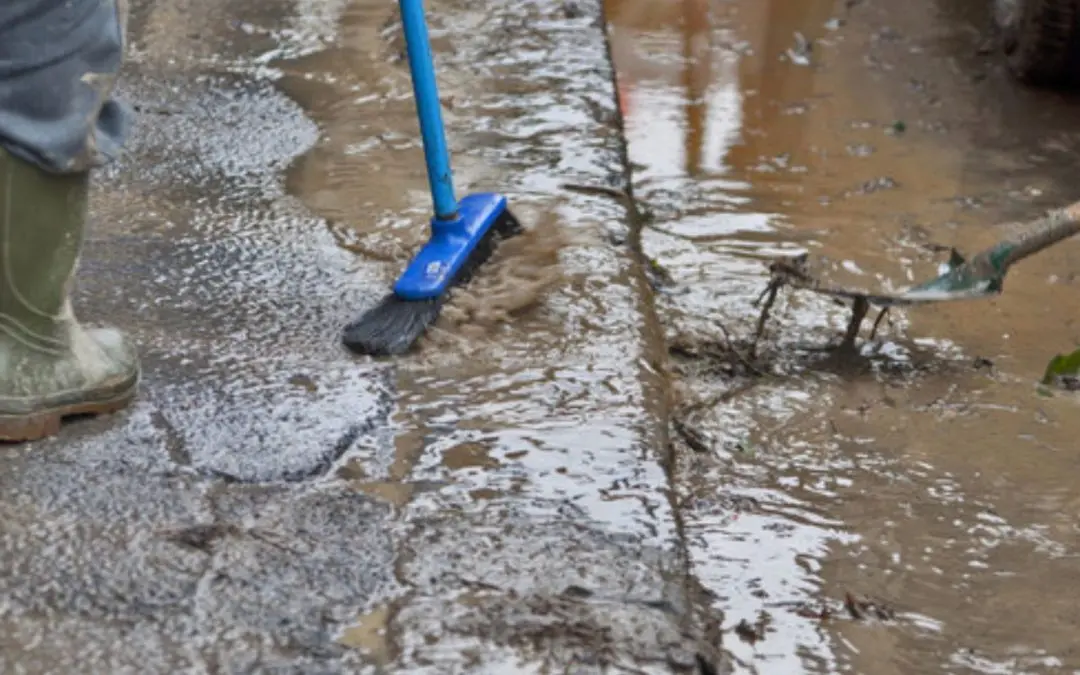
If you discover standing water in your home or notice suspicious soft spots on your ceiling, you should call a water damage restoration company in Plano TX immediately to prevent permanent structural rot and toxic mold growth. Professional intervention is required the moment water escapes its containment, as moisture can penetrate deep into porous building materials like drywall and subflooring within minutes. Rapid response from experts ensures that industrial-grade extraction and drying equipment are deployed during the critical first 24 hours, significantly reducing the total cost of repairs and protecting your property value in the competitive North Texas real estate market.
Is water damage an emergency that requires immediate help?
Yes, water damage is always considered a property emergency because moisture begins damaging building materials and personal belongings the second contact is made. Within the first hour, water spreads horizontally and vertically, saturating insulation and wicking up drywall. If left untreated for more than 24 to 48 hours, the risk of “secondary damage” such as warped wood floors and mold colonies increases exponentially, often leading to much more expensive remediation efforts.
In the Plano area, we often see homeowners waiting to see if a spot will “dry on its own” after a heavy storm near the Arbor Hills Nature Preserve. Unfortunately, the high humidity levels in Collin County often prevent natural evaporation, meaning trapped moisture stays active behind your baseboards. This hidden dampness can eventually lead to wood rot in your wall studs, which compromises the safety and integrity of your home’s structure.
When you notice a leak, the most effective way to protect your investment is to contact us to have a certified technician perform a professional moisture assessment. We use specialized sensors to determine exactly how far the water has migrated, ensuring that no pocket of moisture is left to cause long-term decay.
What are the signs that I need professional water damage repair?
The most obvious signs include visible standing water, bubbling paint, sagging ceilings, and a persistent musty odor that indicates microbial growth. You may also notice your water bill increasing unexpectedly or hear the sound of running water behind walls in areas like your kitchen or bathroom. Even a small, discolored ring on a ceiling can indicate a slow-moving leak that has already saturated the attic insulation above.
Plano residents in older neighborhoods, such as those near the Interurban Railway Museum, may experience pinhole leaks in aging copper pipes. These leaks are often silent but can cause significant damage to cabinetry and flooring over time. If you see warping in your laminate or hardwood floors, it is a clear indication that the subfloor is saturated and requires professional-grade drying equipment to salvage.
Common Indicators of Hidden Water Issues
- Discolored Patches: Yellow, brown, or copper-colored stains on walls and ceilings.
- Textural Changes: Peeling wallpaper, bubbling drywall, or “cupping” in wood floor planks.
- Odors: A damp, earthy, or “locker room” smell that doesn’t go away with cleaning.
- Sound: Hissing or dripping noises coming from behind your walls or under the floor.
If you identify any of these symptoms, you should seek immediate water damage repair Plano TX services to mitigate the spread. Early detection and drying can often save expensive materials like custom cabinetry and high-end carpeting that would otherwise need to be completely replaced if the water sat for several days.
Can I handle 24/7 water damage restoration Plano TX cleanup myself?
While you can mop up minor surface spills, you cannot effectively handle 24/7 water damage restoration Plano TX cleanup on your own because consumer-grade vacuums and fans lack the power to extract deep-seated moisture. Professional teams use truck-mounted extraction units and LGR (Low Grain Refrigerant) dehumidifiers that pull moisture from the air and the structure itself. Without this specialized equipment, you risk leaving the “hidden” water that leads to structural instability and health hazards.
Homeowners near the Legacy West business district often try to use standard shop-vacs to clear a flooded utility room. While this removes the standing water, it does nothing for the moisture that has soaked into the concrete or the bottom of the drywall. Only professional thermal imaging cameras can confirm if a surface is truly dry or if it is still holding onto dangerous levels of humidity.
To avoid the long-term consequences of an incomplete DIY cleanup, it is best to contact us and allow our team to verify the dry standard of your property. We provide the documentation and moisture logs that insurance adjusters require to process your claim accurately and fairly.
How does the emergency flood cleanup Plano TX process work?
The emergency flood cleanup Plano TX process begins with a thorough inspection and assessment using moisture meters and infrared technology to map the affected areas. Once the perimeter is established, the team initiates high-powered water extraction to remove the bulk of the liquid. This is followed by the strategic placement of air movers and dehumidifiers to evaporate the remaining moisture from the air and building materials.
In many Plano homes, especially those with finished basements or multi-story layouts, water can travel through floor joists and settle in the lowest points of the house. During the cleanup, technicians may need to remove baseboards or drill small “weep holes” in the bottom of the drywall to allow air to circulate inside the wall cavities. This thoroughness is what prevents the “musty smell” that often plagues homes after a major leak.
The Five Pillars of Professional Mitigation
- Inspection: Mapping the “moisture map” using non-invasive tools.
- Water Removal: Utilizing heavy-duty pumps to clear standing water.
- Stabilization: Spraying antimicrobial treatments to prevent mold growth.
- Drying: Balancing temperature and airflow to pull moisture from materials.
- Monitoring: Checking moisture levels daily until the dry standard is met.
What is the difference between a pipe burst and a slab leak?
A pipe burst is a sudden, high-volume event where a pressurized line fails, often flooding a room within minutes. A slab leak occurs when a pipe under your home’s concrete foundation fails, often due to the shifting clay soils common in the North Texas region. Both require immediate attention, but a slab leak can be more insidious because it may take weeks for the water to seep up through the floor.
Residents living near the Oak Point Park and Nature Preserve should be aware that ground movement can stress plumbing lines significantly. If you notice a “warm spot” on your floor or see cracks forming in your tiles, you may be dealing with a slab leak. These leaks require specialized leak detection equipment to locate the exact break without tearing up the entire foundation.
When dealing with foundation-level water issues, you should contact us to coordinate with our leak detection specialists. Finding the source quickly is the key to preventing the soil from eroding further, which could lead to expensive foundation repair bills on top of your water restoration costs.
Does home insurance cover immediate water damage repair in Plano TX?
Most homeowners insurance policies cover immediate water damage repair in Plano TX if the source of the water was “sudden and accidental.” This typically includes incidents like a frozen pipe that bursts, a water heater failure, or a dishwasher hose that snaps. It is important to note that most policies do not cover damage caused by “seepage” or lack of maintenance, which is why prompt reporting is so critical.
| Damage Type | Coverage Status | Common Examples |
| Sudden/Accidental | Usually Covered | Pipe bursts, appliance malfunctions, overflows |
| Gradual Seepage | Often Excluded | Slow leaks behind walls, ignored roof leaks |
| Regional Flooding | Requires Flood Policy | Rising water from heavy rains or creek overflows |
| Sewer Backup | Often an Add-on | Tree roots blocking lines, city main backups |
When you are filing a claim, the insurance company will look for proof that you took “reasonable steps” to mitigate the damage. Hiring a professional company immediately serves as this proof, showing that you acted quickly to prevent further loss. We provide detailed digital photos and moisture readings to support your claim and help you get the maximum reimbursement allowed by your policy.
How long does it take to dry out a house?
In most cases, a professional drying project takes between three to five days to reach the industry-standard “dry goal.” The timeframe depends on several factors, including the volume of water, the types of materials involved (drywall dries faster than hardwood), and the ambient humidity levels. During this time, the equipment must remain running 24/7 to maintain the necessary environmental conditions for evaporation.
While it may be tempting to turn off the loud fans at night, doing so can reset the drying progress and allow mold to start growing. Technicians will visit your Plano property daily to take “readings” and adjust the equipment as the moisture levels drop. This scientific approach ensures that your home near the Shops at Willow Bend is truly safe for your family to occupy again.
Why is mold a major concern after water damage?
Mold is a primary concern because it poses significant health risks to residents and can cause irreversible damage to the organic materials in your home. Spores are naturally present in the air, but they only become a problem when they find a moisture source and a food source like wood or paper. Once mold takes hold, it can spread through your HVAC system, contaminating the air quality in the entire house.
Plano’s warm climate provides the perfect breeding ground for mold if water is not addressed quickly. If you have family members with allergies or respiratory issues, the presence of mold can lead to increased symptoms and discomfort. Professional restoration companies use HEPA filtration and air scrubbers during the drying process to capture airborne spores and maintain a healthy environment.
If you suspect that water has been sitting for more than 48 hours, you should contact us to perform a specialized antimicrobial treatment. We apply professional-grade biocides that are safe for pets and children but highly effective at stopping mold in its tracks.
Understanding Local Plano Plumbing and Weather Risks
Plano homeowners face specific environmental risks that can lead to water damage. The extreme temperature fluctuations in North Texas can cause pipes to expand and contract, leading to weakened joints. Additionally, during the winter months, unexpected freezes can lead to burst pipes in attics or crawlspaces if the home is not properly insulated.
Landmarks like the Bluebonnet Trail are beautiful, but the surrounding residential areas often have mature trees with roots that can infiltrate sewer lines. A sewer backup is one of the most dangerous types of water damage, classified as Category 3 or “Black Water.” This requires specialized hazardous material handling to ensure the home is safe for habitation after the cleanup.
What should I look for in a local restoration company?
You should look for a company that is IICRC-certified, fully insured, and has a physical presence in the North Texas area. A local company understands the local building codes and has relationships with area insurance adjusters, which can streamline the claims process. Furthermore, a local team can usually arrive on-site much faster than a national franchise located in another city.
Choosing a company with a strong reputation in neighborhoods like Whiffletree or Ridgeview ensures that you are working with professionals who care about the community. You should always ask for a detailed written estimate and a clear explanation of the drying plan before work begins. Transparency is the hallmark of a high-quality service provider.
Frequently Asked Questions (FAQs)
How much water can a professional extractor remove?
A professional truck-mounted extraction system can remove thousands of gallons of water in a single hour. This is significantly more efficient than using a portable unit or a shop-vac, which can only handle a few gallons at a time. Speed is essential to prevent the water from soaking into the structural “bones” of the house.
Is the water in my home dangerous to touch?
It depends on the source. If the water came from a clean supply line (Category 1), it is generally safe. However, if it came from a toilet, dishwasher, or a flooded street (Categories 2 and 3), it could contain harmful bacteria or chemicals. It is always safest to assume the water is contaminated and use personal protective equipment like gloves and boots.
Will my electricity be turned off during restoration?
Technicians may need to turn off specific circuits if water has reached outlets or light fixtures. However, they will also need power to run their drying equipment. If the main power is unsafe, the company may bring in portable generators to ensure the drying process continues without interruption.
Can water damage cause structural failure?
Yes, prolonged exposure to moisture weakens the structural integrity of wood and drywall. Saturated floor joists can sag, and wet drywall can eventually collapse under its own weight. This is why “mitigation” is so important; it stops the weakening process before the damage becomes permanent.
How do I prevent water damage in the future?
Regular maintenance is the best prevention. This includes checking your water heater for rust, replacing old washing machine hoses, and ensuring your gutters are clear so water drains away from your foundation. Installing a smart water leak detection system can also alert you to leaks on your phone the moment they happen.
Conclusion
Navigating the aftermath of a flood or a major leak is a stressful experience that requires immediate and professional action. By understanding the signs of moisture intrusion and the importance of the initial 24-hour response window, you can protect your Plano home from the devastating effects of mold and wood rot. Whether you are dealing with a localized kitchen leak or a massive whole-home flood, the key to a successful recovery is a scientific approach to drying and a commitment to quality restoration.
For those in need of expert assistance, All American Mitigation provides the high-level expertise and rapid response required for modern property care. As a trusted local service provider, we specialize in advanced moisture detection and industrial-grade drying solutions tailored to the North Texas climate. We serve as a total solution to the problems discussed, standing ready to return your home to a safe, dry, and healthy condition with professionalism and care.
