
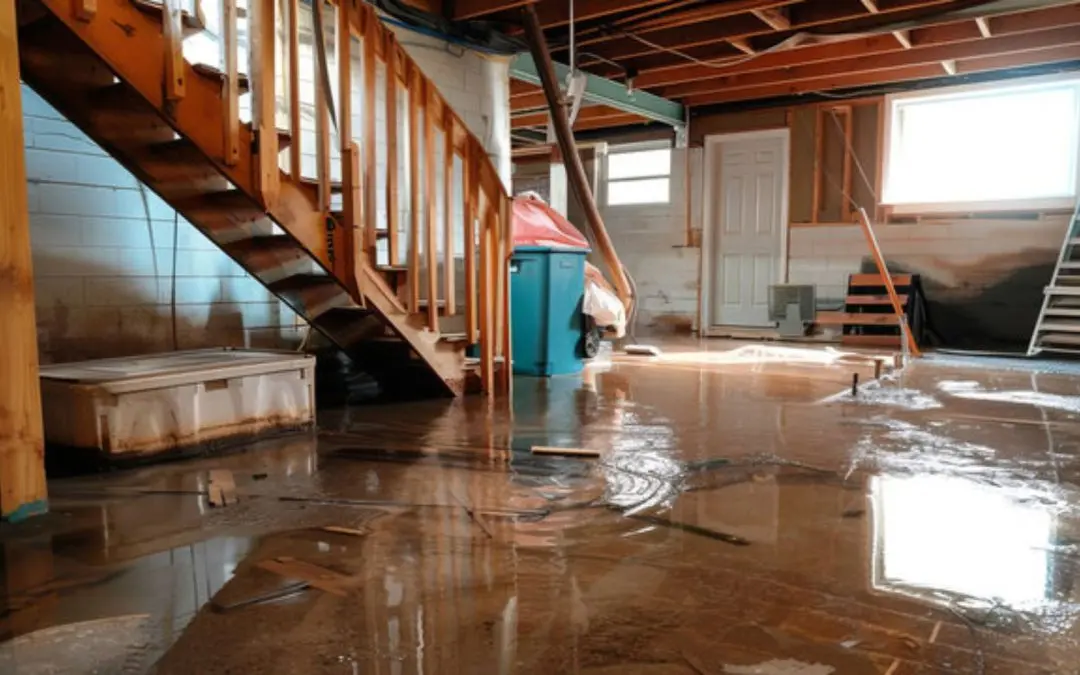
On average, water damage restoration plano tx properties usually takes between 3 and 7 days for the initial mitigation and drying phase, followed by an additional 1 to 2 weeks for structural repairs and reconstruction. The exact timeline depends heavily on the volume of water, the types of materials affected, and how quickly professional extraction begins. If you catch a leak within the first 24 hours, the drying process is significantly faster, whereas ignored moisture can lead to a complete water restoration timeline in Plano TX that stretches into several weeks due to mold remediation and extensive demolition.
How long does it take for a house to dry out after a leak?
It typically takes 3 to 5 days for a house to dry out completely when using industrial-grade LGR dehumidifiers and high-velocity air movers. While a surface may feel dry to the touch within 24 hours, moisture often remains trapped inside wall cavities, under subfloors, and within insulation. Professional water damage restoration plano tx services use moisture meters to track these hidden levels, ensuring the property reaches its “dry standard” before any reconstruction begins.
In the Plano area, the high outdoor humidity common near the Arbor Hills Nature Preserve can slow down natural evaporation. This is why we rely on controlled environments where we can manipulate the temperature and airflow to force moisture out of dense materials. Without this mechanical assistance, water can remain trapped for weeks, leading to structural rot that compromises the safety of your family and your home.
If you are concerned about the progress of your home’s recovery, you can contact us to have a technician perform a scientific moisture check. We use thermal imaging to verify that the drying cycle is actually complete, preventing the premature installation of new flooring over a damp subfloor.
What factors influence the water damage drying time in Plano TX?
Several factors influence the water damage drying time in Plano TX, including the category of the water, the porosity of the building materials, and the efficiency of the drying equipment. Hardwood floors, for example, take significantly longer to dry than standard drywall because wood fibers hold onto moisture with much more tenacity. Furthermore, if the water is contaminated (Category 2 or 3), the time required for sanitization and microbial testing can add several days to the front end of the project.
Residents in neighborhoods like Willow Bend or Kings Ridge often have high-end finishes like thick marble or specialty hand-scraped hardwoods. These materials require specialized drying mats and a slower, more controlled approach to prevent cracking or warping. If the house is located in a high-clay area of East Plano, slab leaks may also require additional time for specialized leak detection before the drying phase can even begin.
Common Variables Affecting the Schedule
- Volume of Water: A few gallons from a sink overflow dries much faster than 500 gallons from a burst attic pipe.
- Material Type: Concrete and brick dry slowly, while carpet and padding often dry within 72 hours if salvaged.
- Ambient Humidity: High humidity in North Texas requires more powerful dehumidification to maintain an effective “drying pie.”
- Response Speed: Waiting even 12 hours can allow water to wick up twice as far into the drywall, doubling the drying time.
When you are facing a sudden flood, you should contact us immediately to deploy water mitigation services Plano TX that stop the migration of moisture. The faster the extraction occurs, the less time the drying equipment needs to run, which ultimately reduces the total interruption to your daily life.
How long does the water mitigation phase last?
The water mitigation phase, which includes extraction, cleaning, and the setup of drying equipment, usually lasts between 2 and 4 days. This is the most critical part of the process where the primary goal is to stabilize the environment and prevent “secondary damage” such as mold. During this window, technicians will visit your Plano property daily to monitor progress, adjust the placement of air movers, and take moisture readings to ensure the equipment is working at peak efficiency.
| Restoration Phase | Typical Duration | Main Objectives |
| Emergency Extraction | 2 – 6 Hours | Remove standing water and stop the leak |
| Structural Drying | 3 – 5 Days | Pull moisture from walls, floors, and air |
| Sanitization | 1 – 2 Days | Apply antimicrobials and deodorize the space |
| Reconstruction | 1 – 2 Weeks | Replace drywall, flooring, and paint |
In many Plano business districts or retail centers near Legacy West, the mitigation phase is accelerated to minimize commercial downtime. Professionals may use “inter-air” drying systems that push air directly into wall cavities through small holes behind the baseboards. This method can often save the drywall entirely, avoiding the need for a lengthy reconstruction phase.
Why is a complete water restoration timeline in Plano TX so long?
A complete water restoration timeline in Plano TX can feel long because it involves two distinct stages: mitigation and reconstruction. While the drying (mitigation) happens quickly, the reconstruction phase depends on the availability of materials, insurance adjuster approvals, and contractor scheduling. If your custom cabinetry or specialty flooring was destroyed, you may face wait times for ordering and shipping new materials to your home in Plano.
If your home near the Interurban Railway Museum suffered a major pipe burst, the structural elements must be 100% dry before any new insulation or drywall is installed. If a contractor rushes this process and “seals in” moisture, mold will grow behind the new walls within weeks. This leads to a much more complicated and expensive remediation project that could have been avoided with a few extra days of patient drying.
To help move your project along as quickly as possible, you can contact us to coordinate with our reconstruction team. We work directly with your insurance provider to streamline the approval process, ensuring that the transition from drying to rebuilding happens with as little delay as possible.
What happens during each day of the drying process?
On Day 1, the focus is on heavy-duty extraction and the strategic placement of industrial fans and dehumidifiers. On Day 2, the technicians monitor the “evaporation rate,” ensuring the air is dry enough to pull moisture out of the materials. By Day 3 and 4, the moisture levels should be dropping significantly toward the “dry standard,” which is determined by measuring unaffected materials in a different part of your Plano home.
If the moisture readings are not dropping as expected, the team may need to increase the heat or add more dehumidification power. In the humid North Texas climate, keeping the house sealed (closed windows and doors) is vital so the equipment can control the indoor environment. Opening a window on a humid day near Oak Point Park will actually add moisture back into the house, resetting your drying timeline.
How long does it take for mold to grow after water damage?
Mold can begin to colonize and become visible within 24 to 48 hours of a water event if the temperature and humidity are high. This is why water mitigation services Plano TX are marketed as emergency services; every hour that passes without extraction increases the likelihood that your project will require mold remediation. Once mold is present, the timeline increases significantly because the area must be “contained” with plastic sheeting and negative air pressure.
Living in a city like Plano, where summer temperatures often exceed 90 degrees, creates a greenhouse effect in a damp house. If a pipe bursts while you are away on vacation, you will likely return to a mold situation rather than just a water situation. Professional teams use HEPA air scrubbers during the drying process to catch airborne spores and keep the environment safe for your family.
Can the drying process be accelerated?
The drying process can be accelerated by using “Direct Heat” drying or “High-Pressure” air systems, but these methods must be managed carefully to avoid damaging delicate materials. If wood is dried too quickly, it can “case harden,” where the outside dries but the inside stays wet, or it can crack and split. Professionals balance the speed of drying with the safety of the material to ensure your home is returned to its pre-loss condition without unnecessary damage.
Homeowners in neighborhoods like Deerfield often ask if they can help by turning on their home’s AC or heater. While the HVAC system can assist with dehumidification, it is usually not powerful enough to handle a major flood on its own. The best way to help speed up the process is to leave the professional equipment running 24/7 and keep the affected area closed off from the rest of the house.
Frequently Asked Questions (FAQs)
Why do the fans need to run 24 hours a day?
The drying process is a constant cycle of evaporation and dehumidification. If you turn the fans off at night, the air becomes saturated, and the moisture begins to soak back into your walls and floors. Keeping the equipment running ensures a consistent “vapor pressure” that pulls water out of your home as fast as possible.
How long do I have to wait before I can replace my carpet?
You should not replace your carpet or padding until the subfloor (wood or concrete) has reached its dry goal. Typically, this takes 3 to 5 days. If you install new carpet over a damp subfloor, the moisture will be trapped, leading to a permanent “musty” odor and potential mold growth underneath your new flooring.
Will my insurance company pay for the whole timeline?
Most standard insurance policies in Plano cover the cost of the entire restoration timeline, including both the mitigation and the rebuild, provided the damage was sudden and accidental. They will pay for the number of days the equipment is “scientifically necessary” to reach the dry standard. We provide the documentation they need to approve these costs.
Do I have to stay in a hotel during the restoration?
It depends on the location and severity of the damage. If your kitchen and only bathroom are affected, the home may be considered “untenantable” for a few days. If the damage is limited to a single bedroom or a laundry room, you can usually stay in the home, although the drying equipment can be quite loud.
How do I know for sure that my house is dry?
The only way to know for sure is through the use of professional moisture meters and thermal imaging cameras. A surface can feel dry to the human hand while still being at 100% saturation inside. Your restoration company should provide you with a “Certificate of Completion” or a final moisture log as proof that the home has met the dry standard.
Conclusion
The time it takes to recover from a leak depends on a balance of professional equipment, environmental control, and a rapid response. While the initial water damage restoration plano tx drying phase usually wraps up within a week, the full reconstruction can take longer depending on the scope of the repairs. By acting quickly and trusting the scientific drying process, you can minimize your displacement and protect the long-term value of your property.
When you need a reliable timeline and expert care, All American Mitigation is your premier partner for property recovery in Plano. As a trusted local service provider, we specialize in advanced water mitigation services Plano TX designed to get your life back to normal as quickly as possible. We offer a comprehensive solution to the problems discussed, ensuring every stage of your restoration is handled with transparency, speed, and technical excellence.
