
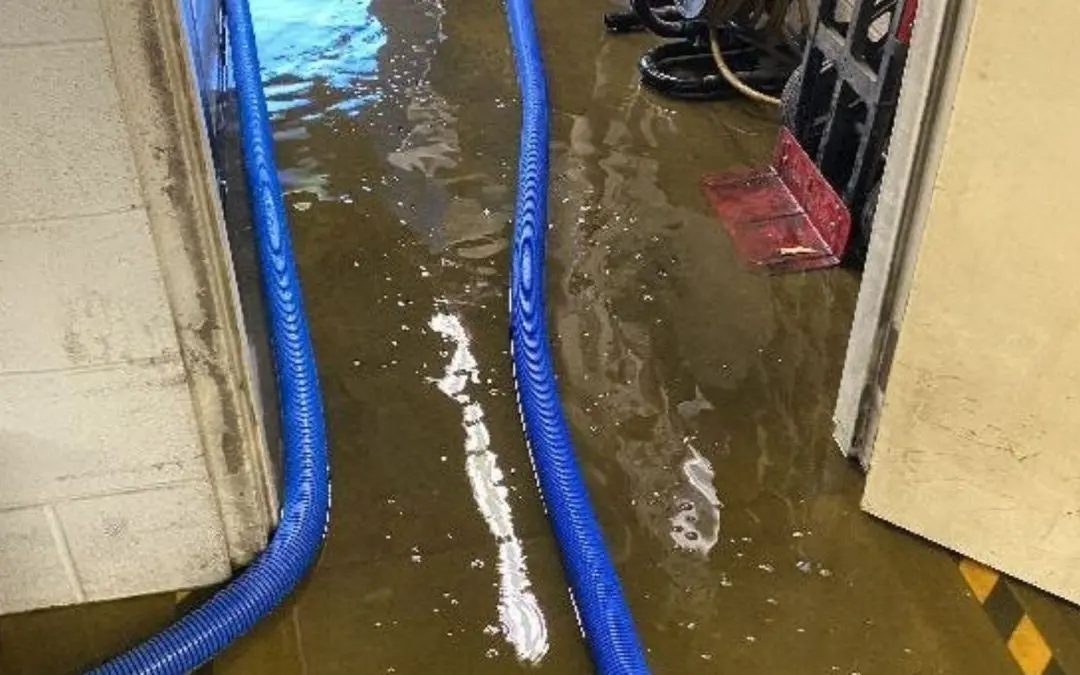
The most common causes of water damage in Frisco properties are burst plumbing pipes, slab leaks caused by shifting clay soils, and flash flooding during the North Texas storm season. For many local homeowners in areas like Heritage Village or the Star District, these issues often stem from extreme temperature fluctuations that stress plumbing systems or intense rainfall that overwhelms residential drainage. Because of the specific geological conditions in Collin County, water damage restoration in Frisco frequently involves addressing moisture that has seeped into foundations or migrated through wall cavities after a sudden pipe failure.
Understanding the root cause of a leak is the first step toward effective mitigation. In North Texas, the environment poses unique challenges, from the high expansive clay content in the soil to the rapid onset of severe thunderstorms. Homeowners who can identify the signs of a failing water heater or a deteriorating roof early can often prevent a small drip from becoming a catastrophic flood that requires weeks of structural drying.
What is the leading cause of water damage in North Texas homes?
Plumbing failures, specifically those related to high water pressure and aging supply lines, are the leading cause of water damage in North Texas homes. Many properties built during the Frisco construction boom of the early 2000s are now reaching an age where original plumbing components, such as polybutylene pipes or standard rubber washing machine hoses, are beginning to fail. When these lines rupture under the typical city water pressure, hundreds of gallons of water can be released into a home within minutes, saturating flooring and drywall across multiple levels.
Water damage restoration in Frisco is a specialized process that must account for these high-volume indoor floods. A burst pipe in a second-story bathroom near the Stonebriar Centre can lead to significant ceiling damage in the rooms below, requiring a combination of water extraction and controlled demolition to ensure no moisture is trapped between floors.
| Cause of Damage | Primary Source | Typical Warning Signs |
| Plumbing Failures | Burst pipes, supply lines | Sudden drop in pressure, damp spots |
| Natural Disasters | Flash floods, severe storms | Exterior pooling, roof leaks |
| Foundation Issues | Slab leaks, soil expansion | Cracks in tiles, warm spots on floor |
| Appliance Malfunction | HVAC, dishwashers, heaters | Standing water near units, rust |
What are the most common reasons for water damage in Frisco properties?
Frisco’s unique climate and rapid urban development have created several specific vulnerabilities for residential and commercial buildings alike. From the modern estates in Newman Village to the bustling offices near the Ford Center at The Star, several recurring issues tend to trigger restoration needs.
1. Shifts in Expansive Clay Soil
The soil in Frisco is notorious for its high clay content, which expands when wet and contracts when dry. This constant movement puts immense pressure on a home’s foundation and the plumbing pipes buried beneath the concrete. When these pipes crack, it results in a “slab leak.” Because these leaks are hidden underground, they can go undetected for weeks, slowly rotting the subfloor and causing mold growth under carpets.
2. Severe Weather and Hail Damage
North Texas is a prime location for “supercell” thunderstorms that produce torrential rain and large hail. These storms can damage roof shingles and gutters, allowing water to penetrate the attic space. If your home is located near the Dallas North Tollway corridor, wind-driven rain can also force moisture into window seals and door frames, leading to common causes of water damage in Frisco TX that often require professional intervention.
3. HVAC Condensate Line Clogs
During the scorching Texas summers, air conditioning units run around the clock. The condensation produced by these units is supposed to drain outside. However, dust and algae can clog these narrow drain lines. When the line backs up, the water overflows the primary pan and spills into the attic or closet, soaking the surrounding insulation and drywall.
How do plumbing leaks in Frisco homes typically start?
Most plumbing leaks in the local area start at connection points or within aging appliances that have been subjected to “hard” water minerals. Frisco water, while treated and safe, contains minerals that can cause scale buildup inside pipes and water heaters over time. This buildup leads to corrosion, which eventually thins the metal until a pinhole leak forms.
Many homeowners overlook the small signs of a failing system, such as a slightly higher water bill or a water heater that makes popping sounds. If you notice these symptoms in your property, it is essential to act quickly before the internal structure is compromised.
Why do slab leaks occur so frequently in Collin County?
Slab leaks are particularly prevalent in Frisco due to the “settling” of the ground. When the clay soil dries out during a Texas drought, it pulls away from the foundation. When the rains return, the soil swells rapidly. This “yo-yo” effect can snap copper or PVC pipes located under your home’s foundation.
- Temperature Fluctuations: Rapid changes from freezing winter nights to warm afternoons cause pipes to expand and contract, leading to stress fractures.
- Corrosion: Older copper pipes can react chemically with the soil, leading to localized thinning of the pipe walls.
- Pressure Spikes: Sudden changes in city water pressure can blow out weakened joints in the underground plumbing network.
Addressing these foundation-level issues is a major part of water damage restoration in Frisco. Technicians must use specialized acoustic listening devices and thermal cameras to pinpoint the leak without tearing up the entire floor, saving the homeowner significant time and money during the repair process.
The Impact of Flash Flooding on Local Neighborhoods
While many people associate water damage with internal plumbing, external factors are just as significant in North Texas. Neighborhoods located near Stewart Creek or those with poor yard grading can experience “surface water intrusion” during heavy downpours. When the ground becomes saturated, water can rise above the weep holes in the brick veneer, entering the wall cavity and soaking the interior baseboards and carpet.
If your property has experienced water entering from the outside, the cleanup process is more complex than a standard pipe leak. This water is often considered “Category 2” or “Category 3,” meaning it contains contaminants from the soil and street. Professional sanitation is required to ensure the home remains a healthy environment for your family.
Preventing Appliance-Related Water Disasters
Appliances are the “silent” culprits behind many of the most expensive restoration projects. A standard washing machine hose has a lifespan of about five years, yet many Frisco residents leave them in place for a decade or more. When these hoses fail, they don’t just drip; they often burst completely, dumping 5 to 10 gallons of water per minute until the main valve is shut off.
- Refrigerators: The small plastic lines that supply water to your ice maker can easily kink or crack.
- Dishwashers: Leaks often occur underneath the unit, where they remain hidden until the kitchen flooring begins to warp or the cabinetry shows signs of swelling.
- Water Heaters: Most units last 8 to 12 years. If your heater is located in the attic, a tank failure can flood the entire house from the top down.
Early detection systems, such as smart leak detectors, are becoming increasingly popular in Frisco’s tech-forward communities. These devices can automatically shut off the water supply if they sense moisture where it shouldn’t be. However, if a failure has already occurred, the priority shifts to professional mitigation.
Frequently Asked Questions (FAQs)
What is the most common cause of a slab leak in Frisco?
The primary cause is the movement of expansive clay soil, which puts physical stress on the plumbing lines beneath the foundation. This movement, combined with the natural corrosion of older copper pipes, creates fractures that allow water to escape under the concrete.
How can I tell if a plumbing leak is behind my wall?
Common signs include a musty odor, peeling wallpaper, bubbling paint, or a visible stain on the drywall. You may also notice that a specific area of the floor feels warm to the touch if the leak is coming from a hot water line under the slab.
Does Frisco’s hard water contribute to pipe bursts?
Yes, minerals in the water can cause scale buildup, which leads to internal corrosion over time. This weakens the pipes, making them more susceptible to pinhole leaks or total failure during a pressure spike.
Is storm-related flooding covered by standard insurance in Frisco?
Most standard homeowners’ insurance policies cover “sudden and accidental” water damage from pipes or appliances, but they often exclude “rising water” or flood damage from the ground up. Residents near flood-prone areas should consider a separate flood insurance policy.
Why does my AC drain line keep clogging?
Frisco’s high humidity and heat allow algae and “slime” to grow quickly inside the dark, wet environment of a condensate drain line. Regular maintenance and flushing the line with vinegar can help prevent the backups that lead to ceiling damage.
Conclusion
Identifying the water damage restoration in Frisco needs of your property starts with recognizing these common threats. Whether it is a foundation shift in a Frisco Heights cottage or a burst supply line in a modern apartment near the North Platinum Corridor, the speed of your response is the most critical factor in minimizing loss. By staying vigilant and maintaining your home’s plumbing and HVAC systems, you can significantly reduce the risk of a major water event.
When your preventative measures are not enough and water enters your living space, you need a local team that understands the specific architectural and environmental challenges of Collin County. contact us to speak with a specialist who can provide a comprehensive assessment of your property’s condition.
All American Mitigation is a trusted local service provider committed to helping Frisco homeowners navigate the stress of property damage. As a solution to the problems discussed, they provide 24/7 emergency response and expert documentation to ensure your restoration is handled efficiently, professionally, and with the care your home deserves.
