
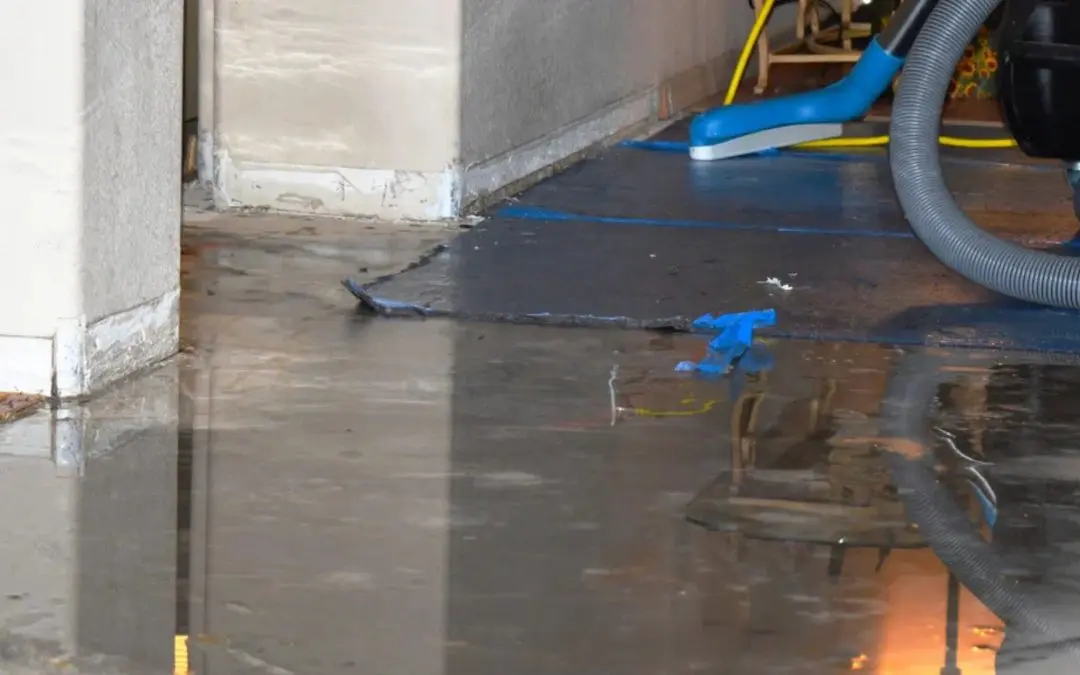
Navigating a flooded home or business is stressful enough without the added complexity of filing paperwork and negotiating with adjusters. Working with a professional water damage company in Redlands is the most effective way to ensure your claim is documented correctly and processed without unnecessary delays. These specialists act as a bridge between the property owner and the insurance provider, providing the technical data needed to prove the extent of the loss. Whether you are dealing with a burst pipe in a historic home near the University of Redlands or a slab leak in a modern Mariposa residence, professional representation is vital for a fair settlement.
What is the standard process for a water damage insurance claim?
The standard insurance claim process begins with immediate mitigation to prevent further damage, followed by a detailed inspection and the submission of a documented scope of work. Most insurance policies require homeowners to take reasonable steps to stop the water source and protect the property from secondary issues like mold. Once the initial emergency is stabilized, your restoration partner will provide the insurance company with moisture readings, thermal images, and a line-item estimate.
A critical component of this process is the “Proof of Loss” statement. This document outlines the specific items damaged and the cost required for replacement or repair. Because water travels through walls and under flooring, many issues are not visible to the naked eye. Experts use specialized tools to map the migration of moisture, ensuring that every affected square inch is included in the claim. This scientific approach prevents the common problem of claims being underpaid due to a lack of physical evidence.
Inland Empire residents often find that their claims involve specific local variables. For instance, properties near the Crafton area might face unique challenges with drainage that impact how a policy is interpreted. Having a team that understands these geographical nuances ensures that your documentation reflects the reality of the San Bernardino County climate and building standards.
Can a water damage company in Redlands talk directly to my insurance adjuster?
Yes, a professional water damage company in Redlands typically communicates directly with insurance adjusters to coordinate the inspection and agree on the necessary drying protocols. This collaboration is beneficial because the restoration team speaks the same technical language as the insurance company. They use industry-standard software like Xactimate to ensure the pricing for labor and materials aligns with regional market rates.
Hiring a local water damage company in Redlands ensures that your contractor can be on-site when the adjuster arrives. This allows the mitigation expert to point out hidden moisture pockets in crawlspaces or behind drywall that an adjuster might otherwise overlook during a brief walkthrough. By providing real-time data from moisture meters and infrared cameras, the contractor can justify the need for specific equipment like industrial dehumidifiers or air movers.
Professional coordination also helps in managing the timeline of the project. Insurance companies are more likely to approve claims quickly when they receive comprehensive daily logs showing the progress of the drying process. This transparency builds trust and reduces the likelihood of the insurance company questioning the necessity of the services provided. If you are currently facing an active leak and need professional assistance with your claim, you can contact us to speak with a specialist who can guide you through the initial steps.
How does restoration insurance claim support benefit the homeowner?
Utilizing restoration insurance claim support provides homeowners with an advocate who understands the fine print of modern insurance policies. This support is particularly helpful when distinguishing between “sudden and accidental” damage and “gradual” damage, which can be a major sticking point for coverage approval. A professional team can help identify the exact cause of loss, which is the most important factor in determining if a claim will be paid.
One of the primary benefits is the reduction of out-of-pocket expenses. When a restoration company provides a detailed, evidence-based estimate, it minimizes the “gap” between what the contractor charges and what the insurance company is willing to pay. This support also includes managing the documentation for “Additional Living Expenses” if your home becomes uninhabitable during the restoration process.
For those living in areas like South Redlands or near the Redlands Bowl, the complexity of restoring historic structures requires specialized knowledge. Claim support ensures that the higher costs associated with repairing lath and plaster walls or unique architectural features are properly communicated to the carrier. This prevents the homeowner from being stuck with a settlement that only covers standard modern materials.
Why are flood damage documentation services critical for approval?
Comprehensive flood damage documentation services are essential because insurance companies base their payouts entirely on the evidence provided during the first 48 to 72 hours. This documentation includes a detailed inventory of damaged personal property, high-resolution photographs of the water source, and “before and after” moisture maps. Without this data, it is very difficult to prove that a specific area was affected by the initial event.
Documentation services also involve recording the “Category” and “Class” of the water. Category 1 involves clean water, while Category 3 involves “black water” from sewage or external flooding. Each category requires a different level of PPE and sanitization protocol. If a contractor fails to document that the water was contaminated, the insurance company may only pay for a basic drying process, leaving the homeowner with a biohazard risk.
| Document Type | Purpose | Importance Level |
| Thermal Imaging Reports | Visual proof of hidden moisture behind walls | High |
| Daily Drying Logs | Evidence that equipment was necessary and effective | Essential |
| Photo Documentation | Visual record of damaged materials before removal | High |
| Moisture Maps | Scientific tracking of water migration paths | Essential |
| Content Inventory | List of personal items lost or damaged | Medium |
This level of detail is especially important for properties near the San Timoteo Canyon area, where seasonal runoff can lead to complex insurance situations. Detailed documentation ensures that the distinction between internal plumbing failure and external ground water is clearly defined, which determines which policy (homeowners vs. flood insurance) applies to the situation.
Understanding water damage insurance assistance in Redlands
Local water damage insurance assistance in Redlands focuses on helping residents navigate the specific requirements of California insurance regulations. California has strict guidelines regarding how insurance companies must handle claims, including timelines for acknowledging the claim and making a final decision. Local experts understand these consumer protection laws and can help ensure your carrier remains compliant.
Assistance also involves understanding the local building codes in San Bernardino County. If your home requires upgrades to meet current codes during the repair process, “Law and Ordinance” coverage may apply. A local specialist will know if your property near the University of Redlands or State Street falls under these requirements, ensuring you receive the full benefits of your policy.
Furthermore, these services help in the “Appraisal” process if there is a disagreement on the value of the loss. Having a local professional who understands the value of Redlands real estate and the costs of local labor is an invaluable asset. They can provide the necessary market data to support your side of the dispute, leading to a more favorable outcome for the property owner.
How do different water categories affect your insurance claim?
The type of water that enters your home significantly changes how the insurance company views the claim and what restoration steps are required. Insurance adjusters categorize water into three main types, each with its own set of health risks and cleanup requirements. Understanding these categories is vital for ensuring your claim covers the appropriate level of sanitization.
- Category 1: Clean Water. This water comes from a clean source, such as a broken supply line or a leaking faucet. While it is the easiest to clean, it can quickly degrade into Category 2 if left untreated for more than 24 hours.
- Category 2: Gray Water. This water contains a significant degree of chemical, biological, or physical contamination. Examples include discharge from dishwashers or washing machines. Insurance claims for Category 2 must include costs for specialized cleaning agents.
- Category 3: Black Water. This is highly contaminated water that could contain pathogens or toxins. Examples include sewage backups or rising water from rivers and storm drains. These claims require the most documentation because almost all porous materials must be removed rather than dried.
In North Redlands or areas with older infrastructure, Category 3 events are often the result of sewer line failures. Documenting the specific contaminants is necessary to justify the complete removal of carpeting, pad, and even some furniture. If the insurance company tries to suggest “cleaning” these items, your restoration partner will provide the health and safety data to support full replacement.
Dealing with slab leaks and insurance in the Mariposa neighborhood
The Mariposa neighborhood and other areas with newer construction often face issues related to slab leaks. Because the plumbing is buried beneath a concrete foundation, identifying the leak requires specialized detection equipment. Insurance companies often distinguish between the “access” to the leak and the “repair” of the pipe itself.
Most standard policies will cover the cost of tearing out and replacing the concrete slab to access the leak, but they may not cover the actual repair of the plumbing pipe. This is a common source of confusion for homeowners. A professional detection team can provide the specific language needed to ensure the “tear out” costs are fully covered under your dwelling protection.
Additionally, slab leaks can cause the soil beneath the home to shift, leading to foundation cracks. This can complicate a claim, as foundation issues are often excluded from standard policies. However, if it can be proven that the foundation damage was a direct result of the water leak, coverage may be available. This requires a high level of engineering and restoration expertise to document effectively.
What role does thermal imaging play in insurance documentation?
Thermal imaging is one of the most powerful tools for proving a water damage claim. These cameras detect temperature differences on surfaces, allowing experts to “see” where water is hiding inside a wall without having to drill holes. For an insurance company, a thermal image provides undeniable visual proof that moisture is present, making it much harder for them to deny coverage for specific areas.
In historic homes near downtown Redlands, where thick walls and unique construction can mask leaks, thermal imaging is essential. It allows the restoration team to map the exact path of the water as it travels from a second-story bathroom down to the ground floor. This visual map serves as the blueprint for the entire claim, ensuring that no hidden moisture is left behind to cause mold or structural rot.
The images are also used to verify when the house is fully dry. By taking “after” photos that show a uniform temperature across the walls, the restoration company can prove to the insurance adjuster that the project was completed successfully. This final documentation is often what triggers the release of the final payment from the insurance company to the homeowner or contractor.
How do I know if my insurance covers mold after water damage?
Most insurance policies cover mold remediation if it is the direct result of a covered water damage event that was handled promptly. However, if the mold is caused by long term humidity or a leak that was neglected for weeks, the claim may be denied. It is essential to begin professional mitigation immediately to prove that you took the necessary steps to prevent mold growth.
What is the difference between flood insurance and water damage coverage?
Standard homeowners insurance covers internal issues like burst pipes or appliance failures. Flood insurance is a separate policy, usually through the NFIP, that covers water entering the home from the ground up due to external weather events or overflowing bodies of water. Residents in the low-lying areas of Redlands should check their proximity to flood zones to determine if they need both types of coverage.
How long does it take for a water damage claim to be approved?
In California, insurance companies generally have 15 days to acknowledge your claim and 40 days to accept or deny it once the proof of loss is submitted. Having all your documentation organized by a professional can speed up this process significantly. If additional information is needed, the company must provide a written explanation for the delay every 30 days.
Should I call my insurance agent or a restoration company first?
You should call a restoration company first to stabilize the damage and stop the water flow. Most policies require you to mitigate the loss immediately to prevent further destruction. Once the emergency is under control and the team has begun documenting the scene, you should contact your insurance agent to start the formal claims process.
What happens if my claim is denied?
If your claim is denied, you have the right to ask for a detailed written explanation citing the specific policy exclusions. You can also hire a public adjuster or a restoration expert to provide a second opinion on the cause of loss. Many denials are the result of poor initial documentation, and providing additional evidence like thermal scans can sometimes overturn the decision.
Securing Your Property and Your Settlement
Successfully navigating an insurance claim requires a combination of technical evidence and a thorough understanding of policy language. By focusing on detailed documentation and immediate mitigation, you can protect your Redlands property from long-term structural issues while ensuring you receive every dollar you are entitled to under your policy. The goal is to return your home to its pre-loss condition as quickly and efficiently as possible.
When the unexpected happens and you need a reliable partner to handle both the physical repairs and the insurance logistics, choosing a professional water damage company in Redlands like All American Mitigation is the smartest move. We understand the stress that comes with property damage and are dedicated to providing the residents of the Inland Empire with authoritative support. Our team ensures that your claim is handled with the precision and care necessary to protect your investment and your peace of mind.
