
Water damage can cause significant problems for homeowners in San Bernardino, CA. It can lead to mold growth, structural damage, and costly repairs. Identifying the early signs of water damage is crucial to preventing further issues and protecting your home. By catching water damage early, you can address the problem before it becomes a major headache.
Water damage is not always obvious. Sometimes, it hides behind walls or under floors, making it difficult to spot until it’s too late. Even minor leaks can turn into big problems if left unchecked. Knowing what to look for can help you act quickly and minimize damage.
This guide will help you learn how to spot both visible and hidden signs of water damage. Taking proactive steps to detect and prevent water damage can save you time, money, and stress. Don’t wait for a disaster to strike—learn how to protect your home today.
Visible Signs of Water Damage
Water damage can often be detected with a quick visual inspection of your home. Here are some clear signs to look for:
- Stains and Discoloration: Look for dark or yellowish stains on walls, ceilings, or floors. These stains often indicate water has been absorbed by the building materials.
- Peeling or Bubbling Paint: If you notice paint starting to peel or bubble, it can be a sign that the wall is wet. Moisture causes paint to lose its adhesion to the surface, leading to bubbles and flakes.
- Warped or Swollen Walls and Floors: Moisture can cause wood and drywall to warp or swell. This can make floors uneven or cause walls to bow. Check for any changes in the shape of surfaces.
- Mold Growth: Look for black, green, or white spots in damp areas like bathrooms and basements. Mold thrives in moist environments and can spread quickly if not addressed.
- Pooled Water or Puddles: Any visible standing water or puddles, especially in basements or under sinks, indicate a leak or other water intrusion issue.
Regularly inspecting your home for these visible signs can help you spot water damage early and take necessary actions to repair and prevent further damage.
Hidden Signs of Water Damage
Sometimes, water damage is not immediately visible. Here are some hidden signs to watch out for:
- Musty Odors: A persistent musty smell in certain areas of your home can indicate hidden mold or mildew growth. This often means there’s a water leak somewhere that you cannot see.
- Unexplained Increase in Water Bill: A sudden spike in your water bill without any increase in usage may point to a hidden leak in your plumbing system. Keep an eye on your water bill for any unexpected changes.
- Soft or Spongy Floors: If parts of your flooring feel soft or spongy, especially in bathrooms and kitchens, it could be a sign of moisture damage underneath. Tiled or wooden floors may also show signs of loosening or buckling.
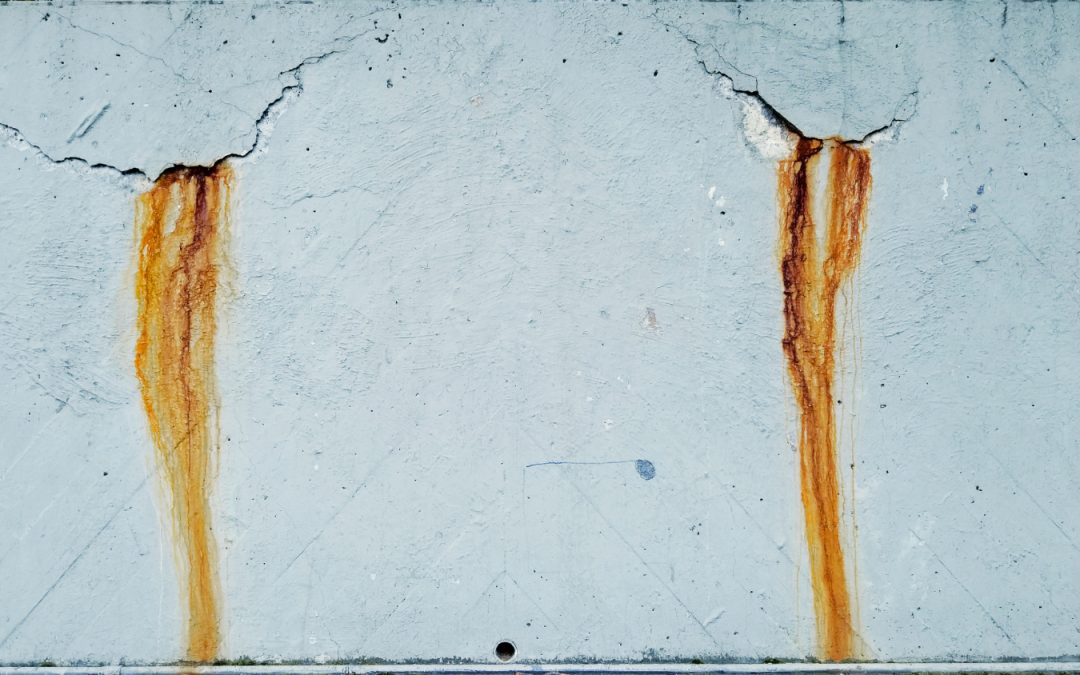
- Visible Rust: Check metal surfaces like pipes, water heaters, and appliances for signs of rust, which can indicate prolonged exposure to moisture. Rusty water coming from your taps can also suggest pipe issues.
- Condensation on Windows: Consistent condensation on windows and glass surfaces suggests high indoor humidity levels, which can indicate water leaks or poor ventilation.
Identifying these hidden signs early can help you address water damage before it causes serious structural issues or health hazards. Regular maintenance and inspection of your home are key steps in preventing hidden water damage.
Tools and Techniques for Detecting Water Damage
Detecting water damage early can save you from costly repairs. Here are some tools and techniques you can use:
- Moisture Meters: A moisture meter can measure the water content in building materials. It’s useful for identifying hidden moisture in walls, floors, and ceilings. Simply press the meter against the surface to get a reading.
- Infrared Cameras: Infrared (thermal) cameras can detect temperature variations caused by moisture. These cameras can help you identify damp areas behind walls and under floors without invasive procedures.
- Hydro Sensors: Place hydro sensors in areas prone to water leaks, such as basements and near water heaters. These sensors will trigger an alarm if they detect water, alerting you to a problem.
- Visual Inspections: Regularly inspect areas around windows, doors, and plumbing fixtures for signs of water leaks. Use a flashlight to check dark or hidden spaces for any signs of moisture.
- Water Leak Detectors: Install automatic water leak detectors near appliances like washing machines, dishwashers, and refrigerators. These devices can shut off the water supply to prevent further damage if a leak is detected.
Using these tools and techniques can help you spot water damage early, allowing you to take timely action to prevent more significant issues.
Preventive Measures to Avoid Water Damage
Preventing water damage is easier and less expensive than repairing it. Here are some steps you can take to protect your home:
- Maintain Your Roof: Regularly inspect your roof for missing or damaged shingles and repair any issues promptly. Ensure gutters and downspouts are clear of debris to allow proper drainage.
- Check Plumbing: Inspect your plumbing for leaks, corrosion, and loose fittings. Replace old or damaged pipes and fixtures to prevent leaks.
- Seal Windows and Doors: Apply weather stripping or caulk around windows and doors to prevent water from seeping in during heavy rain.
- Install a Sump Pump: Install a sump pump in your basement to prevent flooding. Test it regularly to ensure it’s working correctly and consider adding a battery backup in case of a power outage.
- Monitor Humidity Levels: Use a dehumidifier to keep indoor humidity levels below 60%. High humidity can lead to condensation and water damage.
- Regular Inspections: Conduct regular inspections of your home’s exterior, plumbing, and appliances. Early detection is key to preventing water damage.
Taking these preventive measures can help you avoid the stress and expense of dealing with water damage.
Conclusion:
Detecting and preventing water damage is crucial for maintaining the integrity of your home in San Bernardino, CA. By learning to identify visible and hidden signs, using the right tools, and taking preventive measures, you can protect your home from costly repairs and potential health hazards. Regular inspections and maintenance are essential to avoid problems before they escalate.
Don’t wait for minor water issues to turn into significant concerns. Stay vigilant, use the tools available, and follow the preventive steps outlined in this guide. By doing so, you’ll ensure your home remains safe and sound.
For professional help with water damage mitigation, contact All American Mitigation. Our experienced team can quickly assess and address any water damage issues in your home. Contact All American Mitigation today to safeguard your home against water damage!
