
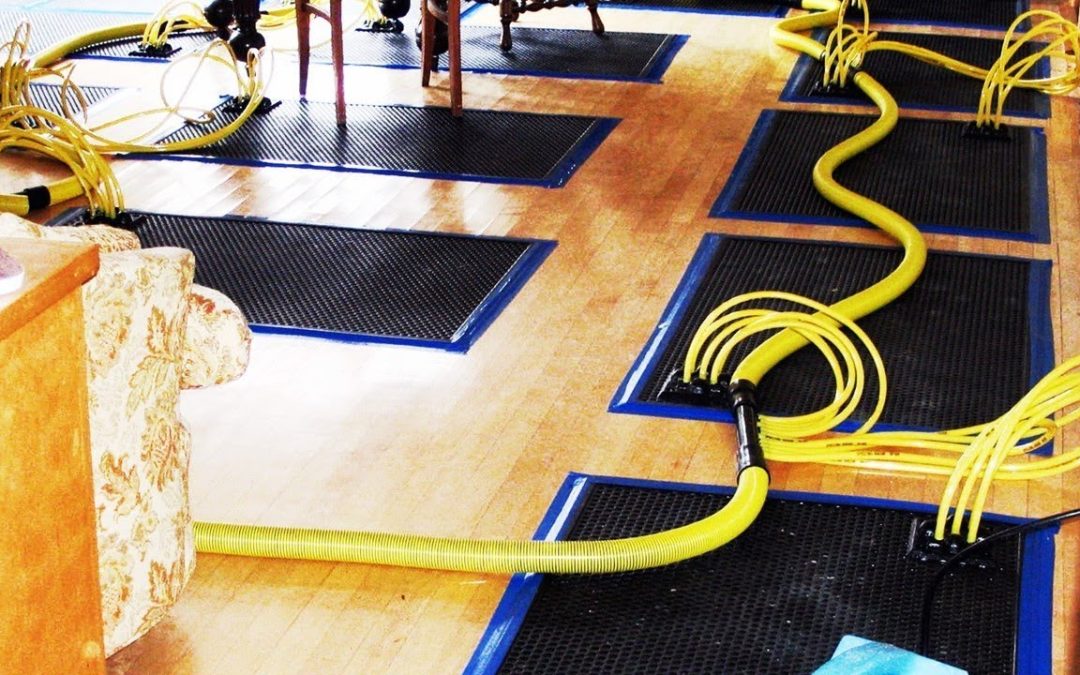
California property owners face hidden threats when water intrusion strikes without warning, with burst pipes and storm flooding triggering urgent cleanup needs within minutes. Preventing structural collapse and mold growth hinges on burst pipe water removal and storm flooding cleanup performed by certified technicians, ensuring rapid drying and restoration. This article explains the six most common causes of water damage in California, guides you in spotting early warning signs, outlines immediate homeowner actions, describes professional emergency removal methods, highlights why speed matters, and offers lasting prevention strategies—with supplementary insights on how All American Mitigation supports insurance claims and delivers 24/7 response.
The Impact of Water Damage on Building Materials
Water damage can lead to significant structural issues and promote the growth of mold, which poses health risks. The speed of water removal is crucial in preventing these problems, as prolonged exposure to moisture can cause materials to deteriorate rapidly.
US Environmental Protection Agency, “A Brief Guide to Mold, Moisture, and Your Home” (2023)
This research supports the article’s emphasis on the urgency of water removal to prevent mold and structural damage.
What Are the Most Common Causes of Water Damage in California?
Burst pipes, storm flooding, appliance leaks, roof leaks, slab leaks, and sewage backup define the top causes of water damage in California by compromising structures rapidly and requiring emergency water removal to prevent mold growth and structural collapse. These events range from sudden plumbing failures to natural disasters, each demanding a tailored cleanup and drying approach.
How Do Burst Pipes Lead to Emergency Water Damage?
Burst pipes occur when high water pressure or freezing temperatures weaken pipe walls, causing sudden ruptures that flood adjacent structures and demand immediate burst pipe water removal to mitigate damage. Factors such as corrosion, tree–root intrusion, and thermal expansion can cause copper or PVC lines to crack.
- Old or corroded plumbing sections fail under pressure.
- Freezing during winter chills cracks exterior lines.
- High flow rates stress joints and fittings.
Left unchecked, a burst pipe can release hundreds of gallons of water per hour, inundating floors and walls and creating ideal conditions for mold within 24–48 hours, which underscores the need for prompt action.
What Role Does Storm Flooding Play in California Water Damage?
Storm flooding cleanup becomes critical when heavy rains overwhelm drainage systems, sending floodwaters into basements, garages, and ground floors that require powerful pumps and extraction equipment to restore dry conditions. Intense downpours associated with El Niño or atmospheric rivers can breach levees and creek banks, carrying debris and contaminants inside.
- Blocked gutters and drains cause water pooling.
- Overflow from rivers and coastal surges pushes water inland.
- Soil saturation undermines foundations, leading to seepage.
Emergency removal services deploy high-capacity extractors and air movers to remove standing water, then use dehumidifiers to reduce humidity below 45%, preventing structural rot and microbial growth.
How Do Appliance Leaks Cause Water Damage Emergencies?
Appliance leaks demand immediate water removal when washing machines, dishwashers, or water heaters fail, releasing Category 1 “clean” water that can escalate to mold and structural damage if not contained quickly. Hose bursts, loose connections, and internal component failures are common culprits.
- Cracked drain hoses pour water onto floors.
- Faulty valves let pressesurized water escape.
- Condensation pans overflow when unattended.
Stopping the appliance, shutting off its water supply, and engaging prompt cleanup preserve flooring and cabinetry, reducing repair costs and preventing mildew.
Why Are Roof Leaks a Frequent Source of Water Damage?
Roof leak water damage repair is urgent when damaged shingles, cracked flashing, or clogged gutters let rainwater seep into attic rafters and ceiling cavities, leading to staining, insulation saturation, and potential structural compromise. Aging roofing materials and wind-driven debris are typical triggers.
- Missing or broken shingles expose underlayment.
- Improper flashing around chimneys or vents allows leaks.
- Debris-clogged gutters overflow onto fascia boards.
Temporary tarping and removal of pooled water by restoration crews stops ongoing intrusion while full roof repair and attic drying restore safe indoor conditions.
What Are Slab Leaks and How Do They Affect California Homes?
Slab leaks under foundations require emergency water removal to halt soil erosion beneath slabs and guard against mold in wall cavities and subflooring. These leaks stem from corroded pipes, shifting soil, or abrasive concrete contact.
| Entity | Attribute | Value |
| Slab Leak | Location | Beneath concrete slab foundation |
| Cause | Corrosion | Galvanized or copper pipes reacting to pH |
| Impact | Structural Risk | Soil washout, floor cracking, mold growth |
| Detection | High Water Bill | Sudden spikes without visible leaks |
Early detection of slab leaks prevents uneven foundation settlement and costly structural repairs, ensuring safe occupancy.
How Does Sewage Backup Create Urgent Water Damage Situations?
Sewage backup cleanup demands professional intervention when clogged sewers or overloaded municipal lines force contaminated water into drains, creating health hazards from bacteria, viruses, and pathogens. Biohazardous water (Category 3) requires full sanitization and protective gear.
- Blocked main sewer lines cause reverse flow.
- Heavy rains infiltrate overflowing systems.
- Damaged pipes leak waste into basements.
Technicians use high-pressure jetting to clear blockages, then extract and disinfect affected areas to restore sanitary conditions and prevent illness.
Each of these causes underscores the complexity of emergency water removal, leading naturally into how to spot water damage before it worsens.
How Can Property Owners Identify Early Signs of Water Damage from These Causes?
Recognizing early water damage signs allows homeowners to call for emergency water removal before contamination and mold set in, preserving property integrity and indoor air quality. This section details warning signals for each major cause.
What Are the Warning Signs of a Burst Pipe?
Pressure changes, visible water stains, and unusual dripping or hissing sounds behind walls signal a burst pipe event requiring immediate intervention.
- Pressure Fluctuations – Sudden drops in water pressure when taps are off indicate line breaches.
- Ceiling or Wall Stains – Brownish or rust-colored rings reveal hidden leaks.
- Audible Drips or Hissing – Water flow sounds in closed spaces betray ruptured pipes.
Noticing any of these signs should prompt shutting off the main valve and calling for professional burst pipe water removal to minimize interior damage.
How to Recognize Storm Flooding Damage Quickly?
Floodwater indicators such as mudlines on walls, musty odors, and spongy flooring point to storm flooding that demands rapid extraction.
- Mudlines mark peak floodwater height.
- Odors of wet soil linger after water recedes.
- Soft Floors indicate saturated subfloors and joists.
Early action with high-capacity pumps and dehumidification prevents secondary damage and structural decay.
What Are Common Indicators of Appliance Leaks?
Visible puddles, malfunction error codes, and unusual appliance vibrations hint at leaks from washers, dishwashers, or water heaters.
- Pooling Water beneath units reveals failing seals.
- Error Codes on digital panels can indicate valve faults.
- Excess Vibration may loosen connections and cause drips.
Turning off the appliance supply and containing spills reduces floor damage until technicians perform targeted water removal.
How to Detect Roof Leak Water Damage Before It Worsens?
Attic moisture, daylight through roofing boards, and ceiling stains signal roof leaks needing prompt drying and repair.
- Moisture Spots on attic insulation or rafters.
- Light Beams visible from inside the attic.
- Ceiling Discoloration and peeling paint inside rooms.
Professional teams can safely remove pooled water and dry structural components to avoid further interior damage.
What Are the Signs of a Slab Leak Under Your Home?
Sudden high water bills, warm spots on floors, and unexplained foundation cracks suggest slab leaks that threaten structural stability.
- Water Bill Spikes without increased use.
- Floor Cracks or unevenness above pipe routes.
- Warm Floor Areas near hot water lines.
Early slab leak detection services use acoustic sensors, infrared imaging, and tracer gas to confirm and locate leaks before major repairs.
How to Spot Sewage Backup Early to Prevent Health Risks?
Foul odors, slow drains, and gurgling sounds warn of impending sewage backups and necessitate immediate extraction and sanitization.
- Odorous Air from floor drains.
- Drain Backups when multiple fixtures sluggishly clear.
- Gurgling Pipes under stress from blockages.
Prompt professional cleanup prevents pathogen spread and restores sanitary conditions, protecting occupant health.
What Immediate Actions Should You Take When Facing Water Damage Emergencies in California?
Securing safety and limiting water spread before professionals arrive can drastically reduce restoration time and costs. Follow these steps for each scenario.
How to Shut Off Water Supply During a Burst Pipe Emergency?
Locate and close the main shut-off valve immediately to halt flooding, then open nearby faucets to relieve remaining pressure before technician arrival.
- Find Valve near the water meter or basement entry.
- Turn Off Clockwise until fully closed.
- Open Faucets to drain residual water.
- Document Damage for insurance and restoration teams.
Stopping the flow primes burst pipe water removal specialists to begin extraction and drying without ongoing flooding.
What Safety Precautions Are Essential During Storm Flooding Cleanup?
Shut off electrical power, wear water-resistant boots and gloves, and avoid contact with contaminated floodwater to prevent electrocution and illness.
- Power Down at the breaker box in a dry location.
- Protective Gear prevents cuts and infections.
- Avoid Standing Water near outlets and appliances.
These measures safeguard occupants until expert storm flooding cleanup crews arrive with pumps and sanitizers.
How to Manage Appliance Leak Emergencies Before Help Arrives?
Switch off and unplug leaking appliances, place buckets or towels beneath dripping areas, and monitor for spread until technicians execute targeted water removal.
- Cut Power at outlet or breaker.
- Shut Off Supply Valve behind the appliance.
- Contain Drips with containers or absorbent materials.
- Call Emergency Services for fast extraction.
Temporary containment preserves floors and walls until full appliance leak cleanup can proceed.
What Are the First Steps for Roof Leak Water Damage?
Contain attic drips with tarps or buckets, move valuables away from leak zones, and arrange for temporary tarping before professional drying and roof repair.
- Collect Water under active drips.
- Protect Belongings from roof-drained water.
- Tarp Roof to stop additional entry.
These rapid interventions limit interior harm and facilitate efficient roof leak water damage repair.
How to Respond Quickly to Slab Leak Emergencies?
Shut off the hot and cold water lines feeding the slab, document unusual flooring conditions, and schedule acoustic or infrared leak detection to guide targeted excavation or pipe relining.
- Close Water Feed Valves at manifold or meter.
- Note Floor Changes and soft spots.
- Contact Experts specialized in slab leak detection.
Swift action prevents further foundation undermining and accelerates professional repair processes.
What Precautions Should Be Taken During Sewage Backup Cleanup?
Wear impermeable protective gear, ventilate the area, and avoid direct contact with wastewater until trained technicians perform extraction and full disinfection.
- Rubber Boots and Gloves guard against pathogens.
- Open Windows to disperse gases.
- Stay Clear of raw sewage until cleanup.
Proper personal protection and swift extraction by qualified teams restore a safe environment.
How Does Professional Emergency Water Removal Address These Top Causes in California?
Emergency water removal by certified restoration teams employs targeted extraction, structural drying, and repair coordination to tackle each cause effectively and comply with IICRC S500 standards.
IICRC Standards for Water Damage Restoration
The Institute of Inspection, Cleaning and Restoration Certification (IICRC) sets standards for the water damage restoration industry. These standards provide guidelines for safe and effective restoration practices, including extraction, drying, and mold remediation.
Institute of Inspection, Cleaning and Restoration Certification (IICRC), “S500 Standard for Professional Water Damage Restoration” (2024)
This citation reinforces the article’s mention of IICRC-certified technicians and the importance of adhering to industry standards.
What Is the Burst Pipe Water Removal Process?
Burst pipe water removal combines high-capacity pumps, moisture meters, and thermal imaging to extract water from walls and floors, followed by drying and coordination with plumbers for pipe repair.
- Extraction with submersible pumps and vacuums.
- Moisture Mapping using thermal cameras and sensors.
- Structural Drying with air movers and dehumidifiers.
- Repair Coordination to restore plumbing integrity.
By integrating extraction and drying, technicians prevent secondary damage and mold proliferation after a pipe rupture.
How Is Storm Flooding Cleanup Performed by Experts?
Storm flooding cleanup relies on truck-mounted pumps for bulk water removal, commercial dehumidifiers for humidity control, and antimicrobial treatments to sanitize impacted surfaces.
- Bulk Extraction of standing floodwater.
- Structural Drying until moisture levels drop below 15%.
- Sanitization of walls, floors, and furnishings.
This three-step approach restores structural soundness and indoor air quality following severe flooding events.
What Techniques Are Used for Appliance Leak Water Removal?
Targeted appliance leak water removal uses portable extractors and containment sheets to isolate affected zones, followed by inspection of appliance connections and moisture drying beneath cabinets.
| Entity | Attribute | Value |
| Equipment | Portable Extractor | Removes residual water under units |
| Technique | Containment | Plastic sheeting around leak source |
| Inspection | Valve Check | Ensures no further drips |
| Drying | Floor-Level Air Movers | Dry subflooring and baseboards |
This precision cleanup limits demolition to only affected areas, saving time and cost.
How Do Professionals Repair and Mitigate Roof Leak Water Damage?
Technicians perform roof leak mitigation by identifying entry points with infrared scans, removing water from ceilings and insulation, then coordinating roofers for shingle or flashing replacement.
- Leak Source Detection with moisture imaging.
- Interior Extraction of pooled attic water.
- Drying of structural components.
- Roof Repair Coordination for permanent fixes.
Combining interior drying and exterior repair stops ongoing intrusion and restores full roof integrity.
What Are the Steps for Slab Leak Detection and Repair?
Advanced slab leak detection and repair follow a multi-phase approach: trace gas injection or acoustic sensing locates leaks, minimal excavation exposes the pipe, and trenchless technologies or pipe relining restore integrity.
- Detection with acoustic devices or gas tracer.
- Selective Excavation only where needed.
- Pipe Repair via relining or replacement.
- Foundation Drying and soil stabilization.
This targeted methodology reduces restoration time and foundation disturbance while preventing future leaks.
How Is Sewage Backup Cleanup Safely Conducted?
Sewage backup cleanup involves isolating contaminated zones, pumping out hazardous water, and applying high-grade disinfectants before drying and verifying microbial counts meet safety standards.
- Containment of Category 3 wastewater.
- Extraction with vacuums and pumps.
- Disinfection using EPA-approved agents.
- Drying and Testing for residual contamination.
Full sanitization ensures occupants re-enter a healthy environment free of pathogens.
Why Is Rapid Emergency Response Critical for Water Damage Restoration in California?
Rapid emergency response prevents mold growth, limits structural deterioration, and supports efficient insurance claims processing, delivering peace of mind to property owners.
How Does Quick Water Removal Prevent Mold Growth?
Immediate extraction and drying interrupt microbial colonization, as mold spores require 24–48 hours of moisture to germinate and proliferate on building materials.
- Rapid Drying lowers humidity below 45%.
- Mold Inhibitors applied to inhibit spore germination.
- Inspection ensures no hidden damp pockets remain.
By removing water within hours, technicians block the mold lifecycle before it endangers health and property.
What Are the Benefits of IICRC-Certified Technicians in Emergency Services?
IICRC-certified technicians adhere to industry standards for safe and effective restoration, ensuring consistent protocols for extraction, structural drying, and microbial control under S500 and S520 guidelines.
- Quality Assurance through standardized procedures.
- Safety Compliance with personal protective equipment (PPE).
- Ongoing Training on latest equipment and methods.
Certification guarantees customers receive reliable emergency water damage help aligned with best practices.
How Does All American Mitigation Support Insurance Claims for Water Damage?
All American Mitigation assists property owners by documenting damage with moisture logs and photographic records, providing detailed reports and direct communication with adjusters to streamline claim approvals and settlements.
- Detailed Documentation of water levels and drying progress.
- Estimate Coordination between contractors and insurers.
- Claim Advocacy to resolve disputes and denials.
This collaborative approach reduces out-of-pocket expenses and accelerates restoration funding.
What Advanced Equipment Is Used for Efficient Water Extraction and Drying?
State-of-the-art equipment such as high-speed air movers, low-grain refrigerant dehumidifiers, and industrial-grade water extractors maximize removal efficiency and minimize downtime.
- Truck-Mounted Extractors for bulk water removal.
- Air Movers directed to structural cavities.
- Dehumidifiers to lower ambient moisture.
- Moisture Meters to verify dryness targets.
Leveraging advanced tools ensures complete restoration and reduces chance of recurring issues.
How Can California Property Owners Prevent Future Water Damage Emergencies?
Regular maintenance and strategic upgrades empower homeowners and businesses to avoid emergency water removal scenarios and protect property value over time.
Preventative Measures for Water Damage
Regular maintenance and proactive measures, such as inspecting plumbing and maintaining gutters, can significantly reduce the risk of water damage. These actions help to identify and address potential issues before they escalate into emergencies.
Federal Emergency Management Agency (FEMA), “Homeowner’s Guide to Mitigation” (2022)
This source supports the article’s recommendations for preventative measures to avoid water damage.
What Maintenance Steps Reduce the Risk of Burst Pipes?
Insulating exposed pipes, installing pressure regulators, and scheduling annual plumbing inspections improve resilience against freezing and overpressure, reducing burst pipe incidents.
- Pipe Insulation in unheated areas.
- Pressure Monitoring with gauge installations.
- Corrosion Checks on metallic lines.
Preventative measures create lasting protection against sudden pipe failures.
How to Prepare Your Property for Storm Flooding?
Enhancing drainage with proper grading, installing French drains, and keeping gutters clear of debris guide stormwater away from foundations and minimize flooding risk.
- Slope Soil away from foundation.
- French Drains to capture excess water.
- Gutter Cleaning before rainy season.
These steps reduce hydrostatic pressure on slabs and prevent water intrusion during heavy rains.
What Are Best Practices to Avoid Appliance Leaks?
Conduct quarterly inspections of hoses, valves, and seals on washers and water heaters, replace aging components proactively, and use leak detection devices with automatic shutoffs.
- Hose Replacement every five years.
- Valve Testing for proper closure.
- Leak Detectors with alarm systems.
Routine checks and modern sensors catch failures before they escalate.
How to Maintain Roof Integrity to Prevent Leaks?
Regular roof inspections, shingle replacements, and gutter maintenance ensure watertight coverage, while proper attic ventilation reduces moisture buildup under roofing materials.
- Shingle Replacement for missing or cracked tiles.
- Flashing Inspection around chimneys and vents.
- Ventilation Checks to prevent condensation.
Proactive roof care extends lifespan and averts water entry.
What Are Effective Methods for Detecting and Preventing Slab Leaks?
Monitoring water bills for unexplained increases, installing slab leak detection systems, and performing infrared scans yearly identify leaks early and prevent foundation damage.
- Bill Tracking to spot hidden leaks.
- Acoustic Sensors in water lines.
- Infrared Imaging to visualize moisture zones.
Early detection tools reduce repair scope and protect structural integrity.
How to Prevent Sewage Backup in California Homes?
Installing backflow prevention valves, maintaining main sewer lines, and scheduling professional drain cleaning protect against sewer system overloads and backups.
- Backflow Valves on sewer connections.
- Annual Jetting to clear buildup.
- Routine Inspections of sewer lateral pipes.
These safeguards maintain sanitary drainage and avert hazardous backups.
California property owners equipped with these prevention strategies and supported by rapid-response experts can avoid emergency restoration scenarios and secure long-term peace of mind.
Swift action, professional expertise, and dedicated maintenance form the foundation of effective water damage resilience, safeguarding both structures and health.
All American Mitigation stands ready 24/7 to provide emergency water damage help, combining IICRC-certified technicians, advanced equipment, and insurance claim support to restore your property quickly and thoroughly.
Feel confident that immediate detection, prompt containment, and expert removal will protect your investment and keep your home or business safe from water’s destructive effects.
