
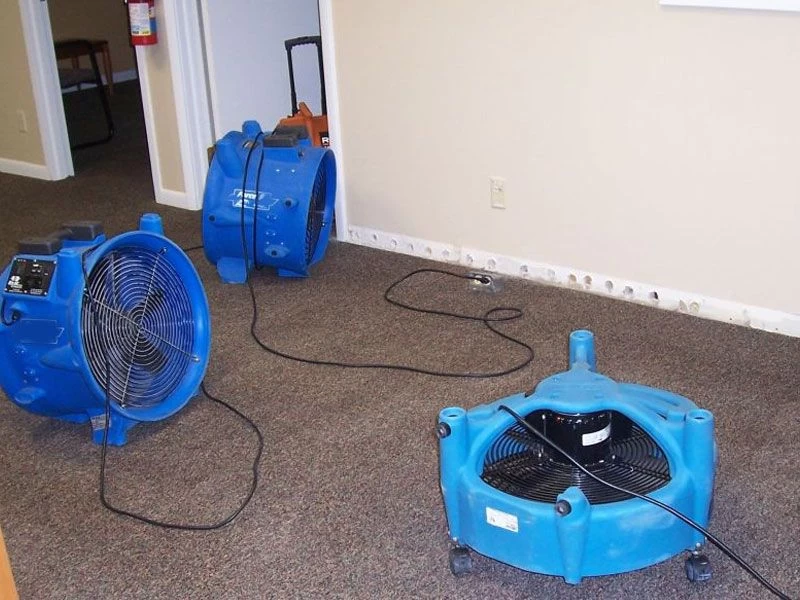
Water damage can begin to compromise your property’s structural integrity within minutes and lead to mold growth in as little as 24 hours.
Water Damage and Structural Integrity
Water damage can compromise a property’s structural integrity within minutes, leading to significant issues. The rapid absorption of water into materials like drywall and wood necessitates immediate action to prevent further damage and potential long-term property loss.
Federal Emergency Management Agency (FEMA), “Homeowner’s Guide to Mitigation” (2020)
How Fast Emergency Water Removal Prevents Long-Term Property Damage by extracting water immediately and thoroughly drying affected areas safeguards walls, floors, and personal belongings. Prompt mitigation stops moisture from seeping into building materials, cuts off mold spore proliferation, and reduces expensive repairs and health risks. This guide explains why immediate action is critical, how emergency water removal halts structural and mold damage, All American Mitigation’s rapid response advantages, insurance claim impacts, the costs of delay, regional prevention tips for California, Oklahoma, and Texas, and the step-by-step extraction process that ensures complete moisture removal.
Why Is Immediate Action Critical in Water Damage Situations?
Immediate action in water damage situations means deploying emergency water removal services as soon as standing water is discovered. Fast extraction prevents ongoing moisture infiltration that weakens structural components and creates ideal conditions for mold. For example, a burst pipe in a basement can saturate drywall and subflooring within hours, making early intervention the difference between minor repairs and full-scale reconstruction. Recognizing this urgency sets the stage for understanding how quickly water and mold can spread.
How Quickly Does Water Damage Spread in Homes and Buildings?
Water damage can spread rapidly, affecting porous materials and hidden cavities before visible signs appear. Within minutes, moisture saturates surfaces and migrates into structural cavities.
Below is a comparison of common building materials, their saturation rates, and the onset of damage:
| Material | Saturation Rate | Damage Onset |
| Drywall | 15 minutes | 4 hours |
| Wood | 10 minutes | 6 hours |
| Carpet | 2 minutes | 8 hours |
Rapid absorption into drywall and wood highlights the need for immediate water extraction to prevent deeper migration and secondary damage that leads to long-term property loss.
What Is the 24-48 Hour Window for Mold Growth After Water Exposure?
Mold can begin to grow within 24–48 hours of water exposure by exploiting residual moisture and organic surfaces. High humidity and damp materials provide the perfect breeding ground for mold spores, which release allergens and mycotoxins. Factors such as indoor temperature above 60°F, stagnant air, and untreated wet carpets accelerate fungus colonization. Preventing mold growth requires emergency water removal and thorough drying before the 48-hour threshold passes.
Mold Growth and Remediation Costs
Mold can begin to grow within 24-48 hours of water exposure, and the costs associated with mold remediation can be substantial. Early intervention through emergency water removal is crucial to prevent the escalation of repair expenses and protect the property owner’s budget.
Environmental Protection Agency (EPA), “A Brief Guide to Mold, Moisture, and Your Home” (2019)
What Are the Early Signs of Structural Damage from Water?
- Warped wood beams indicate compromised load-bearing capacity and potential sagging.
- Bulging walls or peeling paint reveal moisture trapped behind surfaces.
- Sagging floors or creaking joists suggest subfloor saturation and hidden rot.
Recognizing these warning signs prompts targeted emergency water extraction, which in turn protects the building envelope and prepares for complete drying.
How Does Emergency Water Removal Halt Long-Term Property Damage?
Emergency water removal is a rapid extraction process that prevents ongoing moisture exposure, which would otherwise erode construction materials and foster microbial growth. By stopping water infiltration at its source, this service preserves structural integrity and indoor air quality. For instance, using high-capacity pumps to remove standing water prevents wood framing from warping and drywall from delaminating, ensuring long-term stability and health safety.
How Does Fast Water Extraction Prevent Structural Deterioration?
Key benefits include:
- Wood Rot Prevention – Immediate removal stops fungal decay in beams and subfloors.
- Drywall Integrity – Extracting water avoids swelling and crumbling of gypsum panels.
- Foundation Protection – Limiting hydrostatic pressure reduces the risk of cracks and settlement.
Early water removal decisively arrests material deterioration and lowers the chance of extensive rebuilding.
In What Ways Does Emergency Water Removal Prevent Mold Growth?
- Rapid moisture elimination from carpets, padding, and baseboards.
- Controlled humidity levels through industrial dehumidification.
- Application of antimicrobial drying agents that inhibit spore development.
For detailed strategies on stopping mold before it starts, see our guide on prevent mold after water damage. Effective moisture control halts microbial colonization and protects indoor air quality.
How Can Rapid Water Removal Protect Your Valuables and Belongings?
- Immediate Packing & Drying restores textiles, books, and electronics.
- Localized Extraction focuses on high-value areas such as kitchens and home offices.
- Specialized Drying Techniques for delicate materials like artwork and heirlooms.
Timely action minimizes loss and helps property owners reclaim possessions with minimal damage.
What Makes All American Mitigation’s Emergency Water Removal Service Effective?
All American Mitigation’s emergency water removal service combines 24/7 rapid deployment, advanced equipment, and certified expertise to deliver fast, reliable results. This integrated approach ensures water is extracted thoroughly and structures are dried completely, preventing secondary damage and saving time and money.
How Does Our 24/7 Rapid Response Protocol Minimize Damage?
Our 24/7 rapid response protocol activates the moment you call, reducing the time water sits in your property. Emergency technicians arrive fully equipped in less than two hours, perform an immediate assessment, and begin extraction without delay. This around-the-clock availability curbs material saturation and lowers restoration costs.
Which Advanced Equipment and Techniques Ensure Thorough Drying?
Advanced drying technology guarantees hidden moisture is detected and removed. The following equipment drives our thorough drying process:
| Equipment | Feature | Benefit |
| Industrial Dehumidifier | 150 pints/day removal | Eliminates deep moisture layers |
| Thermal Imaging Camera | Infrared detection | Locates trapped water pockets |
| High-Velocity Air Mover | 3,500 CFM airflow | Accelerates surface evaporation |
This equipment suite ensures every corner and cavity is dried to industry standards, preventing long-term issues.
How Do Certified Technicians Enhance Water Mitigation Outcomes?
- IICRC Certification ensures adherence to restoration best practices.
- Moisture Mapping Proficiency locates and monitors hidden damp areas.
- Insurance Documentation Support delivers precise reports that aid claim settlement.
Professional skill and rigorous standards underpin reliable water mitigation outcomes.
How Does Fast Emergency Water Removal Impact Insurance Claims?
Fast emergency water removal generates comprehensive documentation that streamlines the insurance process, supports accurate loss evaluation, and accelerates settlements. Prompt mitigation demonstrates proactive property care, which insurers view favorably when processing claims.
How Does Prompt Mitigation Support Faster Insurance Settlements?
- Photo and video logs of initial damage and extraction stages.
- Detailed moisture readings before and after drying.
- Chronological service reports tracking every mitigation step.
These records minimize back-and-forth inquiries, leading to faster claim resolutions.
What Should Property Owners Know About Insurance Coverage for Water Damage?
- Covered Perils such as burst pipes and accidental overflows.
- Common Exclusions for gradual leaks and flood without a separate policy.
- Policy Limits that may affect restoration scope and material choices.
Knowing these details helps property owners make informed mitigation decisions under their coverage.
How Can Professional Restoration Services Simplify the Claims Process?
- Coordinating directly with adjusters to clarify scope of work.
- Providing detailed estimate breakdowns aligned with policy language.
- Offering advocacy to dispute underpayments and denials.
Expert support removes guesswork and stress from claims management.
What Are the Long-Term Costs of Delayed Water Damage Mitigation?
Delaying water removal compounds damage and dramatically increases repair expenses. Secondary deterioration such as wood rot and mold remediation can multiply initial cleanup costs by three or four times, pushing restoration budgets well beyond early intervention estimates.
How Does Fast Water Removal Reduce Overall Restoration Expenses?
Early extraction reduces the scale of repairs by:
- Preventing structural replacements and major rebuilds.
- Minimizing the need for extensive mold treatments.
- Lowering labor hours for demolition and reconstruction.
Proactive mitigation delivers clear cost savings compared to reactive repairs.
What Are Typical Repair Costs for Structural and Mold Damage?
Below is an average cost breakdown for common restoration services:
| Damage Type | Average Cost | Impacted Area |
| Drywall Replacement | $1,200 | Walls/Ceilings |
| Wood Rot Repair | $2,500 | Floors/Beams |
| Mold Remediation | $3,500 | Entire Home |
Rapid water removal prevents these expenses from escalating and preserves your budget.
How Can Early Mitigation Prevent Extensive Property Loss?
Early mitigation preserves value and functionality by:
- Salvaging original finishes and fixtures.
- Maintaining HVAC systems free of moisture damage.
- Avoiding major structural replacements that devalue property.
Acting quickly stops a small incident from becoming a major loss.
How Can Property Owners Prevent Water Damage in California, Oklahoma, and Texas?
Preventing water damage starts with understanding regional risks and implementing proactive measures. From drought-induced soil shifts in California to freeze-related pipe bursts in Oklahoma and hurricane flooding in Texas, tailored strategies reduce emergency calls.
What Are Common Water Damage Causes in These States?
The primary causes of water damage vary by region:
- California: Aging plumbing, firefighting runoff after wildfires.
- Oklahoma: Winter pipe bursts due to sudden temperature drops.
- Texas: Hurricanes and flash floods from heavy storms.
How Can Homeowners Prepare for Floods and Water Emergencies?
Homeowners can reduce damage by taking these steps:
- Elevate appliances and utilities above flood level.
- Install sump pumps with battery backup systems.
- Develop an emergency water damage response plan.
What Local Regulations Affect Water Damage Restoration?
Compliance with state and local codes is essential:
- California: Title 24 building code requirements for repairs.
- Oklahoma: Licensing standards for restoration contractors.
- Texas: Insurance regulations on water damage claims.
Following regulations ensures lawful restoration and smooth insurance processing.
What Are the Steps Involved in the Emergency Water Extraction Process?
The emergency water extraction process follows a clear sequence—assessment, extraction, drying, and verification—to ensure complete moisture removal and prevent secondary damage. Each step builds on the previous one to restore safety and structural integrity.
How Is Water Damage Assessed Upon Arrival?
Technicians conduct a thorough inspection to map damage:
- Moisture mapping with sensors and infrared cameras.
- Structural evaluation of load-bearing elements.
- Documentation of water source and affected zones.
What Techniques Are Used for Effective Water Extraction?
Effective extraction employs specialized equipment and methods:
- Truck-mounted pumps for large standing water volumes.
- Portable wet-vacuum systems to access tight spaces.
- Submersible units for floor and crawlspace dewatering.
How Does Advanced Drying Prevent Secondary Damage?
Advanced drying uses air movement and dehumidification to eliminate hidden moisture:
- High-velocity air movers direct airflow behind walls and under floors.
- Commercial dehumidifiers reduce ambient humidity to safe levels.
- HVAC integration circulates dry air throughout the structure.
What Follow-Up Measures Ensure Complete Moisture Removal?
Follow-up monitoring confirms a dry environment:
- Regular humidity and moisture readings in key locations.
- Periodic inspections for signs of mold or wood rot.
- Antimicrobial treatments to prevent future microbial colonization.
Swift emergency water removal is the cornerstone of preventing lasting property damage. All American Mitigation’s certified team and advanced technology deliver immediate extraction, thorough drying, and proactive insurance support. Rapid response not only preserves your structure and belongings but also accelerates claim settlements and reduces restoration costs. Contact All American Mitigation today for expert, 24/7 emergency water removal services and safeguard your property against long-term damage.
