
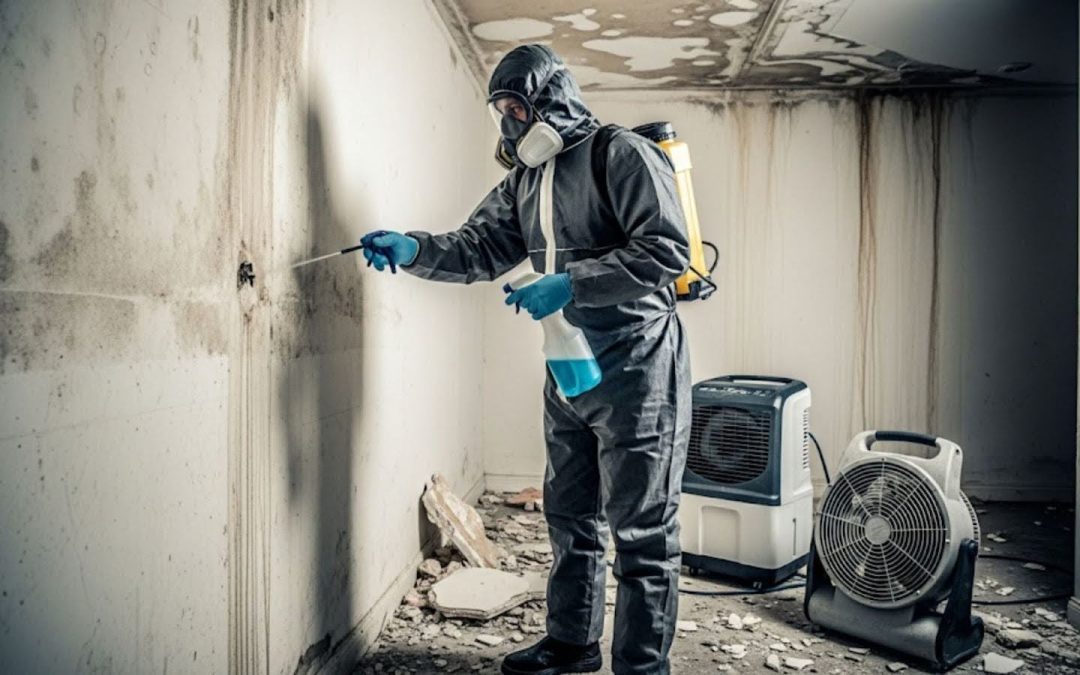
Water damage can strike unexpectedly, turning a safe haven into a breeding ground for mold. Water Damage Restoration Denton specialists emphasize rapid response because standing water and high humidity set the stage for microbial growth within 24 to 48 hours. In the arid climate of North Texas, floods, burst pipes, and leaking roofs disrupt homes and businesses alike, demanding comprehensive solutions. This blog offers a deep dive into proven strategies for mold prevention after water damage, weaving in trusted restoration practices, advanced equipment, and certification standards that ensure safe, lasting results.
Maintaining structural integrity and indoor air quality hinges on professional-grade moisture control. From Category 1 pipe leaks to Category 3 sewage backups, each water event requires a tailored approach. Restoration crews certified by IICRC and trained under EPA and OSHA guidelines deploy specialized equipment—industrial-grade dehumidifiers, thermal imaging cameras, and HEPA-filtered air scrubbers—to halt mold before it starts. By understanding water categories, drying standards, and antimicrobial treatments, property owners gain clarity on the remediation process and feel empowered to safeguard their environments.
This comprehensive guide answers the most pressing questions homeowners and facility managers have about mold prevention after water intrusion. It outlines immediate, midterm, and long-term measures, backed by decades of industry experience. Whether you’re dealing with a minor drip or widespread flooding, these expert tips from Denton’s top restoration professionals will help mitigate risks, minimize downtime, and protect occupants’ health.
How can property owners prevent mold growth after water damage?
Water Damage Restoration Denton teams advise that immediate action is the cornerstone of effective mold prevention. Once water infiltrates drywall, carpeting, and structural cavities, mold spores exploit moisture to colonize surfaces. Key prevention steps include water extraction, rapid structural drying, and ongoing moisture monitoring.
Immediate Water Extraction
Extraction pumps and wet vacuums remove standing water within the first four to six hours. This swift removal limits saturation of porous materials and reduces the organic matter available for mold growth. Technicians often employ submersible pumps for deep flooding and portable extractors for localized leaks.
Rapid Structural Drying
Positioning industrial-grade axial fans and low-grain refrigerant dehumidifiers accelerates evaporation. Placing equipment strategically behind walls and under flooring follows NFPA 915 standards for drying hidden cavities. Consistent airflow prevents pockets of trapped moisture, while dehumidifiers maintain relative humidity below 45 percent.
Moisture Mapping and Monitoring
Technicians use calibrated moisture meters and thermal imaging cameras to detect concealed water. Regular scans of studs, joists, and ceiling cavities verify that drying targets are met. A documented drying log, following IICRC S500 protocols, ensures transparency and compliance with insurance requirements.
Water Damage Restoration Denton: Best Practices for Mold Prevention
Water Damage Restoration Denton experts prioritize a systematic approach that aligns with local building codes, EPA regulations, and insurance standards. This methodical workflow has five core stages: initial assessment, containment, structural drying, antimicrobial treatment, and verification.
Water Damage Restoration Denton crews begin by classifying the water event—Category 1 (clean water), Category 2 (gray water), or Category 3 (black water). Each classification dictates safety measures, from basic PPE for clean leaks to full-body hazmat suits for sewage backups. Proper categorization is critical because it influences mold proliferation risk and guides remediation protocols.
After classification, professionals set up containment zones using plastic sheeting and negative air machines. This containment prevents cross-contamination of unaffected areas. Following drying, an EPA-registered antimicrobial solution is applied to all exposed surfaces, creating a bio-barrier against mold spores.
Quality control involves post-treatment air sampling and surface swabbing to confirm mold levels fall below industry thresholds. Validation of cleanliness adheres to ANSI/IICRC guidelines and ensures occupants breathe safe air.
In line with industry best practices, Contact us to schedule an on-site assessment and ensure rapid response to your water damage emergency.
What equipment do professionals use for effective water damage restoration?
Restoration in Denton relies on a suite of specialized tools that combine science and engineering. These high-performance devices are the backbone of professional remediation.
Dehumidifiers and Air Movers
Low-grain refrigerant (LGR) dehumidifiers extract moisture down to 35 grains per pound of moisture content, far superior to residential units. Combined with centrifugal air movers, they generate targeted airflow that dries walls, subfloors, and ceilings in record time.
Moisture Detection Tools
Calibrated hygrometers, infrared thermographic cameras, and penetrating moisture probes create a detailed moisture map. This data-driven approach reduces guesswork, ensuring hidden moisture pockets are uncovered and treated.
HEPA Air Scrubbers
High-efficiency particulate air (HEPA) filtration captures 99.97% of particles as small as 0.3 microns. Air scrubbers set up inside containment areas maintain negative air pressure, preventing mold spores from escaping into clean zones.
Structural Drying Systems
ConvectionDrying® and heat drying systems leverage controlled heat to boost evaporation rates. These systems often integrate with ducting to channel warm, dry air into crawlspaces or wall voids, following guidelines from the National Fire Protection Association (NFPA).
Certified Mold Remediation TX: Why Certification Matters
Certified mold remediation in TX requires adherence to state and federal regulations, ensuring safety and effectiveness. Professional certifications—from the Institute of Inspection Cleaning and Restoration Certification (IICRC) to EPA mold remediation credentials—demonstrate expertise and commitment to industry standards.
Certification bodies train technicians on advanced remediation techniques, proper PPE usage, and legal requirements for handling hazardous materials. This training reduces liability and ensures compliance with OSHA’s 29 CFR 1910.120 hazardous waste operations standards.
A certified remediation firm in Denton will collaborate with licensed industrial hygienists for pre- and post-remediation testing. This partnership guarantees accurate fungal species identification, tailored treatment plans, and thorough clearance protocols.
Common Sources of Water Damage in Denton Homes
Denton’s unique weather patterns and aging infrastructure contribute to various water intrusion scenarios. Understanding these common sources helps property owners anticipate vulnerabilities.
Weather-Related Flooding
Flash flooding from torrential downpours can overwhelm drainage systems. Low-lying foundations and insufficient grading exacerbate water pooling around basements and crawlspaces.
Plumbing Failures
Corroded pipes, failed seals, and high-pressure surges lead to hidden leaks behind walls and ceilings. Routine inspection of water heaters, supply lines, and irrigation systems helps identify risks before they escalate.
Appliance Malfunctions
Washing machines, dishwashers, and water softeners can overflow when hoses degrade or internal chambers malfunction. Installing catch pans and high-water alarms reduces unnoticed leaks.
Roof and Gutter Deficiencies
Clogged gutters and damaged shingles allow rainwater to seep into attics and ceilings. Regular maintenance and the use of metal leaf guards keep water flowing away from vulnerable structural components.
In this same context, property managers often search for mold removal Denton, highlighting the demand for integrated water and mold remediation services.
Steps to Take Immediately After Water Damage Occurs
Acting fast mitigates damage, lowers mold risk, and speeds up insurance claims. Here’s a step-by-step guide:
- Ensure safety Shut off electricity in affected zones and wear protective gloves, boots, and respirators if contamination is suspected.
- Remove standing water Deploy submersible or portable extractors within the first four hours.
- Ventilate the area Open windows when possible and position axial fans to force air out, replacing humid interior air.
- Document damage Photograph affected walls, floors, and contents. A thorough photo log speeds claims and ensures accurate restoration estimates.
- Contact professionals Engaging licensed technicians certified in water damage and mold remediation guarantees compliance with EPA and IICRC standards.
Comparison of Water Damage Categories and Associated Mold Risks
| Water Category | Source | Mold Growth Timeline | Typical Remediation Steps |
|---|---|---|---|
| Category 1 | Clean water (e.g., pipe burst) | 24–48 hours under humidity | Water extraction, drying, antimicrobial spray |
| Category 2 | Gray water (e.g., dishwasher overflow) | 24–36 hours; higher risk | Containment, extraction, antimicrobial rinse |
| Category 3 | Black water (e.g., sewage backup) | 8–24 hours; toxic spores | Full PPE, removal, structural removal, disinfection |
Frequently Asked Questions
How long does mold take to grow after water damage?
Mold colonies can emerge within 24 to 48 hours of moisture exposure. Temperature between 70°F and 90°F accelerates growth. Experts use moisture meters and thermal imaging to detect hidden wet spots before mold becomes visible.
What are the health risks of mold exposure?
Inhalation of mold spores can trigger allergies, asthma attacks, and respiratory infections. Vulnerable populations—children, elderly, and immunocompromised individuals—are at higher risk. Certified removal reduces airborne spore counts to safe levels.
Can homeowners perform mold prevention without professionals?
Homeowners can initiate drying with fans and dehumidifiers, but concealed moisture often escapes visual detection. Professionals possess hygrometers and probes to ensure sub-surface drying, preventing mold recurrence.
What certifications should a restoration company have in Texas?
Look for IICRC water damage restoration (WRT) and mold remediation (AMRT) certifications. Firms should follow EPA mold guidelines and carry proper insurance and bonding. OSHA 10-hour or 30-hour training ensures on-site safety compliance.
Does homeowners insurance cover mold remediation?
Coverage varies by policy and cause of damage. Sudden events (e.g., burst pipes) often qualify, while neglect-related mold may be excluded. Document water damage promptly and consult an insurance adjuster to review your coverage.
Conclusion
Preventing mold after water damage demands swift action, specialized equipment, and certified expertise. Water Damage Restoration Denton professionals combine moisture mapping, structural drying, and EPA-registered antimicrobials to safeguard homes and businesses against fungal growth. By adhering to IICRC S500 guidelines and Texas regulations, property owners can restore their environments safely and effectively.
For comprehensive service backed by 24/7 emergency response, reach out to All American Mitigation. This dedicated team offers expert water damage restoration, mold removal, and certified mold remediation TX, ensuring peace of mind and a healthier space. Whether facing a minor leak or a major flood, rely on proven protocols and professional-grade equipment to protect your investment and well-being.
Ready to reclaim a dry, mold-free property? Contact us today to schedule your assessment and begin the restoration process with trusted Denton specialists.
