
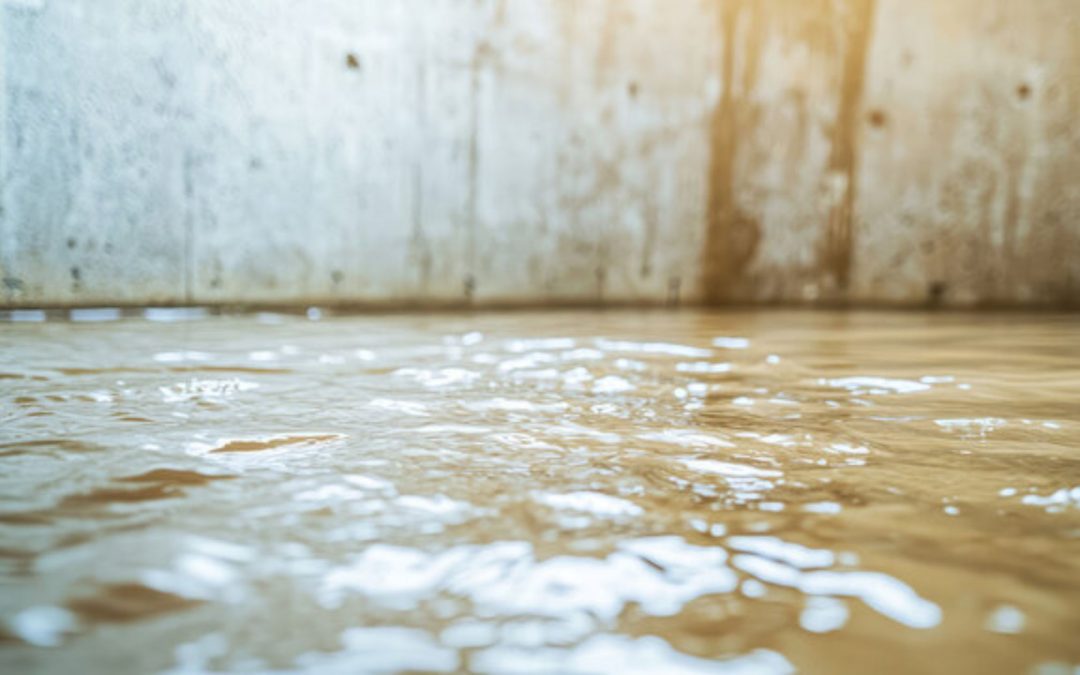
When water begins to seep through your floorboards or drip from a saturated ceiling, the terminology used by insurance adjusters and contractors can feel like a confusing maze. Navigating the immediate aftermath of a flood requires a clear understanding of the professional response, specifically the distinct phases of water damage restoration riverside ca that keep your home from falling into further disrepair. Many homeowners mistakenly believe that cleaning up the water is the end of the journey, but there is a vital distinction between stopping the bleeding and healing the wound. In the Inland Empire, where high heat can rapidly turn a simple leak into a biological hazard, knowing when mitigation ends and restoration begins is the key to a successful property recovery.
The process of saving a home is a race against time and chemistry, where every hour of standing water increases the risk of permanent structural degradation. If you treat a major water event like a simple DIY project, you may inadvertently leave behind hidden moisture that silently destroys your home’s framing. Professional teams approach these disasters with a bifurcated strategy designed to stabilize the environment first and then rebuild the aesthetics and function of the space later. By understanding these specialized service categories, you can better communicate with your service providers and ensure that your insurance claim covers every necessary step of the journey.
What is the difference between water damage mitigation and restoration?
The primary difference lies in their ultimate goal: mitigation is the immediate process of preventing further damage through extraction and stabilization, while restoration is the subsequent phase of repairing and rebuilding the property to its pre-loss condition. When you seek water damage restoration riverside ca, the initial arrival of the crew focuses entirely on “damage control” to ensure that the water doesn’t migrate to unaffected rooms. Mitigation involves the physical removal of standing water, the application of antimicrobial treatments, and the placement of industrial drying equipment to stop the clock on structural rot and mold growth.
Once the property is certified as dry and safe, the restoration phase takes over to handle the aesthetic and functional repairs that bring the home back to life. This might include replacing the drywall that was removed during mitigation, installing new hardwood flooring, or repainting the walls to match the rest of the house. While mitigation is about emergency response and preservation, restoration is about craftsmanship and reconstruction. Both phases are equally important, but they require different skill sets, tools, and timelines to complete successfully in a residential setting.
Understanding Mitigation vs Restoration CA
In the state of California, the regulatory and insurance landscape often dictates how these two phases are handled and billed. A mitigation vs restoration approach ensures that the “emergency” portion of the work is billed as a service to preserve the asset, which is a requirement in almost every standard insurance policy. Homeowners have a legal obligation to mitigate their losses, meaning you must take reasonable steps to stop the water from causing more harm. If you fail to perform mitigation, your insurance company may deny parts of your claim for the restoration phase, arguing that the damage was avoidable.
Because mitigation is an emergency service, it often starts within hours of the first phone call and involves technicians wearing protective gear and using heavy machinery. Restoration, conversely, is a planned construction project that may involve choosing new materials and coordinating with various trades like painters and carpenters. Understanding this timeline helps you set realistic expectations for when your kitchen or living room will be fully functional again. It is a transition from a noisy, high-pressure emergency to a methodical, detailed rebuilding process.
Riverside Damage Control Steps
When our teams first arrive at a property, we implement a series of Riverside damage control steps designed to address the unique construction styles of the Inland Empire. Many homes in this region are built on concrete slabs, which requires specific moisture-sensing technology to track water migration beneath the surface. The first step is always safety, which includes shutting off electrical circuits that may be in contact with standing water. We then move immediately to bulk water extraction, as removing liquid in its liquid state is much faster and more efficient than trying to evaporate it later.
After the bulk water is gone, we focus on the “evaporation” phase, where we use high-velocity air movers to pull moisture out of the porous building materials. This is accompanied by dehumidification to ensure that the moisture we pull out of the walls doesn’t just sit in the air and cause secondary damage to your furniture or electronics. During this stage, we may also remove non-salvageable materials like carpet padding or baseboards to allow the underlying structural components to breathe. This proactive approach is what prevents a small leak from turning into a massive mold remediation project.
| Phase of Service | Primary Actions Taken | Expected Duration |
| Mitigation | Extraction, Drying, Sanitization | 3 to 5 Days |
| Restoration | Drywall, Flooring, Painting | 1 to 3 Weeks |
| Assessment | Moisture Mapping, Inspections | Ongoing |
| Completion | Final Walk-through, Cleaning | 1 Day |
Analyzing Water Loss Categories Riverside
Not all water is created equal, and the type of liquid involved dictates the intensity of the mitigation required. We analyze water loss categories Riverside residents experience based on the level of contamination present in the source. Category 1 water is “clean” water from a broken supply line that poses no immediate health risk. Category 2, or “grey water,” contains significant contamination, such as discharge from a dishwasher or washing machine. These require more aggressive sanitization during the mitigation phase to ensure the home is safe for occupancy.
Category 3 water, often called “black water,” is the most dangerous and includes sewage backups or rising floodwaters from the street. This water is unsanitary and contains pathogens that can cause serious illness. Mitigation for Category 3 losses is much more invasive, as almost all porous materials that have been touched by the water must be removed and disposed of as hazardous waste. Because of these health risks, professional mitigation is not just a choice for black water; it is a legal and safety requirement to protect the inhabitants of the building.
The Science of Structural Drying
Professional mitigation is rooted in the science of psychrometrics, which is the study of air and water vapor. We don’t just put fans in a room; we calculate the “pint removal” capacity needed to reach the dry standard for your specific climate. In Riverside, the outside air can be very dry, but the heat can accelerate the growth of bacteria if the humidity inside the home is not controlled. We use Low Grain Refrigerant (LGR) dehumidifiers to create an environment where moisture is constantly being pulled from the structural wood and into the air for removal.
This scientific approach ensures that we are not leaving “pockets” of moisture behind your cabinets or inside your wall cavities. We use infrared cameras to see the temperature differences that indicate trapped water, allowing us to target our drying efforts with surgical precision. By the time we transition from mitigation to restoration, we have provided you with a “drying certificate” that proves the structure is stabilized. This documentation is essential for your peace of mind and for the long-term value of your property.
Why You Should Contact-Us for Mitigation
If you are currently standing in a wet room, the most important decision you can make is to contact-us before the water has a chance to soak into your subflooring. Mitigation is a time-sensitive service, and every hour of delay increases the likelihood that you will need more extensive restoration later. By acting quickly, we can often save materials like hardwood floors or high-end cabinetry that would otherwise be lost to warping and swelling. Our emergency response team is available around the clock to begin the extraction process immediately.
When you contact-us, we take over the burden of documenting the loss for your insurance provider, capturing the moisture readings and thermal images they need to approve your claim. This professional advocacy ensures that you receive the full benefits of your policy and that no corners are cut during the recovery. We bridge the gap between the chaos of the flood and the calm of the finished restoration, providing a single point of contact for the entire journey. Do not wait for the musty smell of mold to start before seeking professional intervention.
The Restoration: Rebuilding the Aesthetic
Once the emergency is over and the moisture meters read “normal,” the restoration phase begins to transform your house back into a home. This is the stage where the visible scars of the water damage are removed and replaced with new materials. Restoration requires a different set of skills than mitigation; it is about matching paint colors, aligning tile patterns, and ensuring that the new drywall is perfectly smooth. This phase is often more enjoyable for the homeowner as you begin to see your living space return to its original beauty.
During restoration, you may have the opportunity to make upgrades to your home that were previously on your “to-do” list. If the kitchen floor had to be removed, many homeowners choose to install a more modern tile or a more durable laminate than what was there before. While the insurance company typically pays for “like kind and quality,” you can often pay the difference to improve the value of your home during the reconstruction. Our project managers work with you to choose the best materials and ensure that the final result exceeds your expectations.
Common Misconceptions About Drying
One of the most dangerous misconceptions is that “the air feels dry, so the house is dry.” Air dries much faster than wood or concrete, and the surface of a wall can feel bone-dry while the interior studs are still saturated. If you stop the mitigation phase too early, you are essentially sealing moisture inside your walls, which will eventually lead to dry rot and structural failure. Professional mitigation includes “invasive testing” where we check the core of the materials to ensure they have reached their equilibrium moisture content.
Another myth is that bleach is the best way to handle water-damaged surfaces. While bleach can kill surface mold, it is mostly water and can actually provide more moisture to the spores living deep inside porous materials like wood or drywall. Professional mitigation uses EPA-approved, hospital-grade antimicrobials that are designed to penetrate the surface and neutralize pathogens without damaging the structure. We focus on removing the moisture source entirely, which is the only way to truly stop mold from returning.
Managing the Insurance Claims Process
The administrative side of a water loss can be just as exhausting as the physical cleanup. Insurance companies require detailed proof of the work performed, including “before and after” moisture maps and a full inventory of damaged personal property. Because we understand the “language” of insurance, we can provide the exact reports your adjuster needs to process the payout quickly. We use industry-standard estimating software like Xactimate to ensure that our pricing is transparent and consistent with local Riverside market rates.
Navigating the difference between your “deductible” and your “coverage limits” is something we can help clarify as we move through the project. We advocate for the highest standard of repair, ensuring that the insurance company doesn’t pressure you into a “quick fix” that leaves your home vulnerable to future issues. By keeping a clear line of communication between the homeowner, the contractor, and the adjuster, we minimize the friction that often accompanies large property claims. Our goal is to make the financial side of the recovery as seamless as the physical work.
Preparing for Future Water Events
After your home has been successfully mitigated and restored, it is a great time to look at preventative measures to ensure it doesn’t happen again. Many water losses in the Riverside area are caused by aging plumbing or a lack of maintenance on major appliances. Installing a smart water shut-off valve can detect abnormal flow and automatically cut the water to the house, potentially saving you from a future disaster. We also recommend regular inspections of your water heater and washing machine hoses, as these are the most common points of failure in modern homes.
Consider upgrading to braided stainless steel hoses for all your fixtures, as these are much more resistant to bursting than standard rubber hoses. It is also wise to know the location of your main water shut-off valve and ensure that every member of the household knows how to operate it. Being proactive doesn’t just protect your home; it gives you a sense of control over an unpredictable element. A few hundred dollars in preventative maintenance can save you tens of thousands of dollars in restoration costs down the road.
Conclusion and Restoration Support
The journey from a flooded room to a finished home is a complex process that requires the right balance of emergency action and meticulous reconstruction. By understanding the critical difference between mitigation and restoration, you can ensure that your home receives the professional care it deserves at every stage. Mitigation saves the structure, while restoration restores the spirit of the home. Neither should be neglected, and both should be performed by experts who understand the unique environmental challenges of our region.
At All American Mitigation, we provide a comprehensive approach to water damage restoration riverside ca that covers everything from the initial extraction to the final coat of paint. We are committed to transparency, quality, and speed, ensuring that your life is disrupted for as little time as possible. Our team treats your property with the same care we would our own, using the best technology available to guarantee a dry and safe result. If your Riverside property has suffered a water loss, don’t settle for a halfway fix; call us today and let us handle the entire process from start to finish.
Frequently Asked Questions
Is mitigation always required before restoration can start?
Yes, you cannot perform permanent repairs like painting or installing new flooring until the underlying structure is certified as dry. If you rebuild over wet materials, you will trap moisture inside, leading to mold and rot.
How do I know if the mitigation phase is actually finished?
We use moisture meters to compare the wet areas to a “dry standard” taken from an unaffected part of your home. Once the readings match, the mitigation is complete and it is safe to begin the restoration work.
Does insurance pay for mitigation and restoration separately?
Usually, yes. They are often listed as separate “claims” or line items in your estimate. Mitigation is often covered under the “emergency services” portion of your policy, while restoration falls under “dwelling coverage.”
Can I do the mitigation myself and hire a pro for restoration?
While it is possible, it is not recommended. Professional mitigation requires specialized equipment and moisture-tracking tools that are not available to the average homeowner. Most insurance companies also prefer professional documentation of the drying process.
What happens if mold is found during the mitigation phase?
If mold is discovered, we stop the drying process and set up “containment” to prevent the spores from spreading. We then perform professional mold remediation before resuming the drying and restoration phases.
