
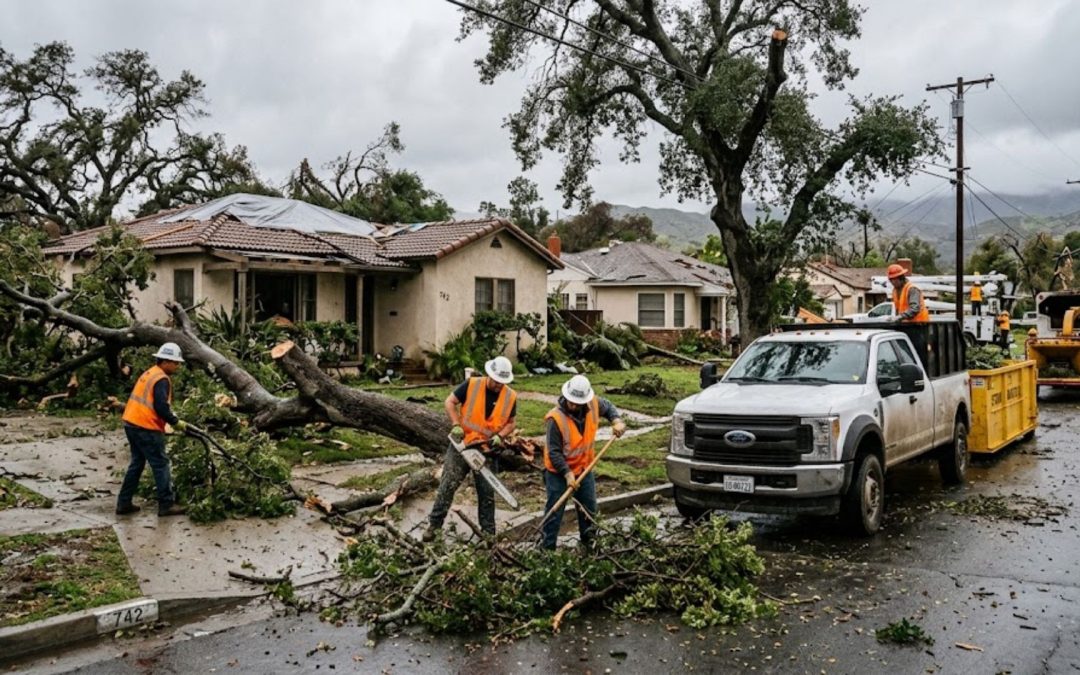
The rain stops, the wind dies down, and that is usually when the real work starts. A missing shingle turns into a ceiling stain, a clogged gutter sends water into a garage, and what looked like a minor storm the night before has left standing water in a hallway by morning. Redlands homeowners deal with this more often than they expect, since even a short, heavy rain event can overwhelm an aging roof or drainage system.
Storm damage cleanup covers everything that happens between that first walkthrough and getting a property back to normal. This article breaks down what the process actually looks like, what typically causes storm damage in the Redlands area, and when it makes sense to call in a professional cleanup team instead of handling it alone.
What Storm Damage Cleanup Actually Involves
Storm damage cleanup is not a single task, it is a sequence of steps that starts with stopping ongoing damage and ends with the property being fully dry and repaired. Skipping steps, like drying an area without checking for hidden moisture, is one of the most common reasons storm damage turns into a bigger, more expensive problem weeks later.
A proper cleanup addresses water, debris, and structural exposure together, since storms rarely cause just one type of damage. A roof breach that lets in rain can also mean insulation needs to be replaced, drywall needs to be cut out, and flooring needs professional drying equipment rather than a few fans.
Common Causes of Storm Damage in Redlands
Understanding what typically causes storm-related property damage helps homeowners recognize the early warning signs before they turn into major repairs.
- Roof leaks from wind-lifted shingles or aging roofing materials
- Clogged or overwhelmed gutters that push water toward the foundation
- Storm runoff pooling near doors, garages, or low-lying areas of a property
- Wind-driven debris striking windows, siding, or fencing
- Power surges or outages that can affect sump pumps during heavy rain
Any one of these can lead to water intrusion, and once water is inside a home, the cleanup timeline becomes far more urgent than a typical repair.
Signs You Need Storm Damage Cleanup Services
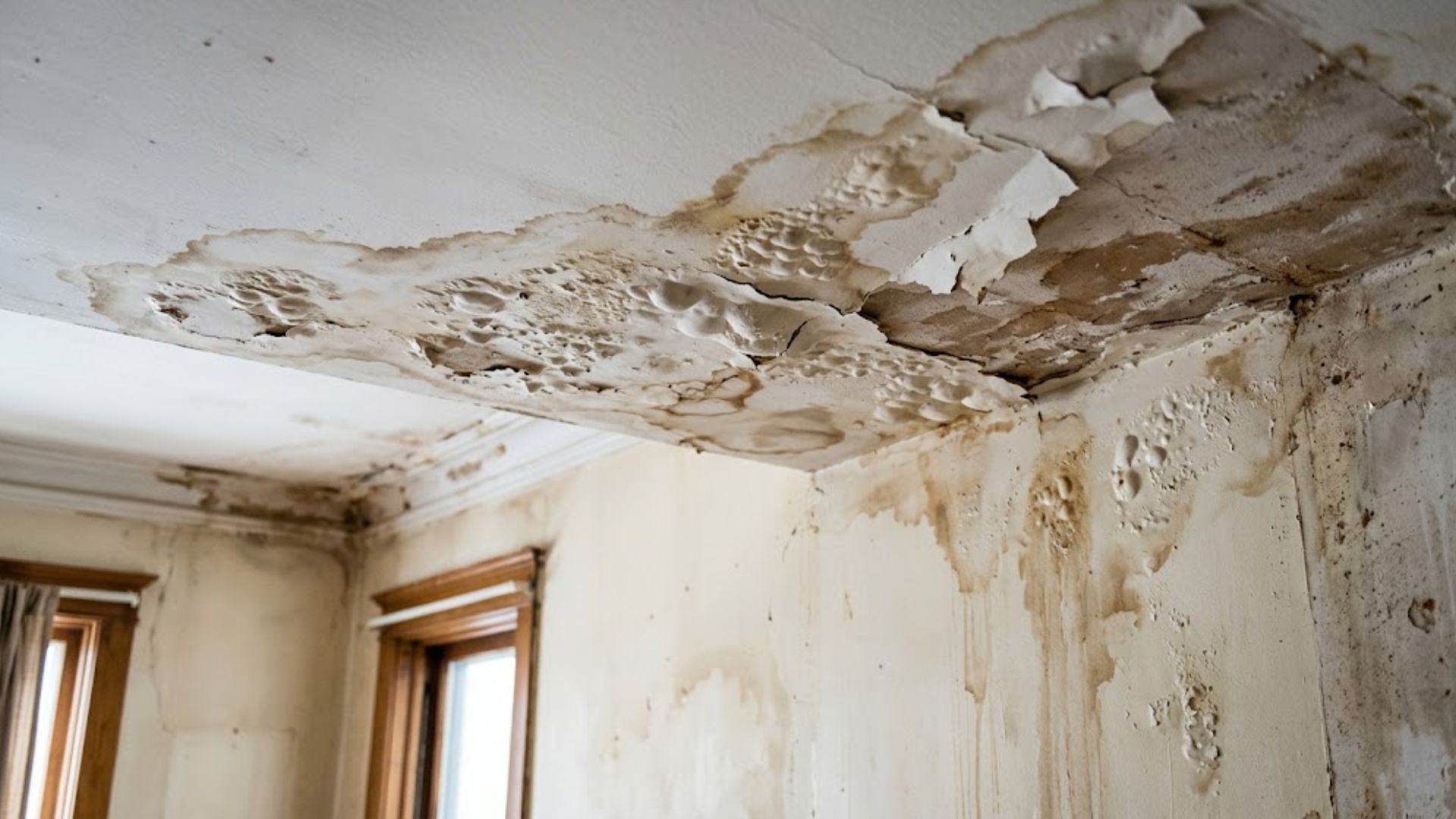
Not all storm damage is obvious right away. These are some of the signs that indicate a property needs professional attention rather than a simple mop and towel job.
- Water stains or bubbling paint on ceilings or walls
- A musty smell in a room that was recently wet
- Standing water in a garage, basement, or crawl space
- Soft or spongy flooring near an exterior wall
- Visible gaps, missing shingles, or damaged flashing on the roof
If any of these signs show up after a storm, the moisture is likely deeper than what is visible on the surface.
Our Storm Damage Cleanup Process
We follow the same structured process on every storm damage cleanup call, adjusted based on what caused the damage and how far it has spread.
1. Emergency Response and Inspection
We start with an on-site inspection to identify every point where water or debris entered the property, not just the most visible damage.
2. Containment and Damage Control
Before cleanup begins, we contain the affected area to stop water from spreading into rooms that were not originally affected.
3. Water Extraction and Debris Removal
Standing water is removed with professional-grade extraction equipment, and storm debris and damaged materials that cannot be saved are cleared out.
4.Structural Drying and Dehumidification
We use commercial drying equipment along with thermal imaging and moisture detection to confirm that walls, subfloors, and framing are dry all the way through, not just on the surface.
5. Sanitization and Odor Control
Affected surfaces are cleaned and treated to address contaminants and reduce lingering odors from the storm event
6. Full Restoration
Once the property is dry, our reconstruction team repairs or rebuilds any materials that had to be removed, from drywall and flooring to insulation.
Why DIY Storm Cleanup Often Falls Short
Renting a few fans or running a shop vac can handle a small, isolated spill, but storm damage usually involves water that has already traveled behind walls or under flooring before it becomes visible. Surface drying leaves that hidden moisture behind, which is one of the most common reasons homeowners deal with mold weeks after a storm even though the visible water was cleaned up right away.
Professional cleanup also includes moisture detection tools that identify exactly where water has spread, something that is difficult to assess without the right equipment. Skipping this step often means guessing at how far to dry, which either wastes time drying areas that are already fine or leaves wet areas untreated.
Preventing Mold After Storm Damage
Mold can begin developing within one to two days after water damage if materials are not fully dried. This is especially common in enclosed spaces like closets, behind baseboards, or under carpet padding, where moisture can sit unnoticed. If mold has already started growing by the time cleanup begins, addressing the moisture source alone is not enough, and a dedicated mold remediation approach is needed alongside the drying process.
Working With Insurance After Storm Damage

Storm damage claims often require documentation of the source of the damage, the extent of the affected areas, and the materials that need to be replaced. As part of our restoration process, we document what we find as we go, which can make the claims process more straightforward when working with your insurance provider.
Frequently Asked Questions
How Soon Should Storm Damage Cleanup Start?
As soon as it is safe to enter the property. Water that sits for even a day can soak deeper into flooring and framing, making the eventual drying process longer and more involved.
Can I Clean Up Minor Storm Damage Myself?
Small, isolated water spots with no hidden moisture can sometimes be handled with towels and fans. Anything involving standing water, ceiling stains, or a musty smell should be checked professionally, since visible cleanup does not always mean the area is fully dry.
How Long Does Storm Damage Cleanup Usually Take?
It depends on how much water intruded and how far it spread before cleanup began. A contained leak may only take a few days to dry, while flooring, drywall, and insulation replacement after larger intrusion can extend the timeline further.
Does Storm Damage Cleanup Include Roof Repairs?
Our cleanup process addresses the interior water damage and debris caused by the storm. Roofing repairs needed to prevent future leaks are typically coordinated with a roofing contractor as a separate part of the recovery plan.
What Happens if Mold Is Found During Cleanup?
If mold is discovered, the affected materials are addressed as part of a dedicated remediation process alongside the drying work, rather than simply cleaned and left in place, since the underlying moisture source has to be resolved too.
Key Takeaways on Storm Damage Cleanup in Redlands, CA
Storm damage rarely stays contained to what is visible right after the weather clears, which is why a full inspection and structured drying process matter more than a quick cleanup. Watching for water stains, musty smells, and soft flooring in the days after a storm can catch problems before they turn into mold or structural repairs. If a recent storm has left standing water, roof leaks, or damaged materials at your Redlands property, our team at All American Mitigation can inspect the full extent of the damage and start the storm damage cleanup process before it spreads further.
