
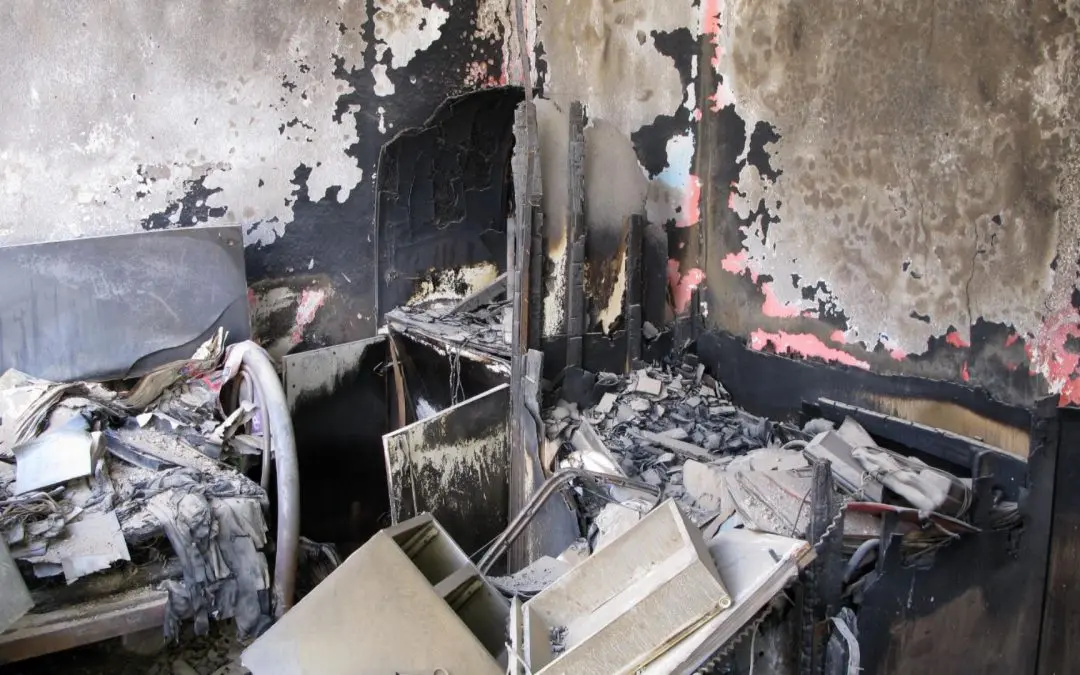
July is the busiest month of the year for residential fire calls in North Texas, and the reasons are ordinary rather than dramatic. Grills sit too close to fences. Extension cords carry loads they were never rated for. Fireworks land on dry roofs and in gutters packed with summer debris. Air conditioners run near capacity for weeks, pulling more current through panels and circuits than they see any other time of year.
The other thing July fires have in common is that the visible burn is rarely the biggest part of the loss. Smoke travels through an entire structure in minutes, settling into drywall, insulation, HVAC ducting, and fabric. Soot is acidic and starts etching metal, glass, and finished surfaces within hours.
Fire suppression water soaks the same materials heat just dried out. Scheduling fire damage repair in Addison quickly is less about appearance and more about stopping three separate forms of damage that continue long after the flames are out.
Why Fire Incidents Increase During July
Summer changes how properties are used and how hard their systems work. More cooking happens outdoors, more electrical load runs through aging panels, and holiday celebrations introduce open flame in unpredictable places. Combine that with dry vegetation around Addison properties and the ignition risk climbs across the month.
1. Outdoor Grilling Accidents
Grease buildup in a grill is fuel, and a flare-up near a wood fence, deck rail, or vinyl siding spreads faster than most people can react. Patios in Addison’s townhome and apartment communities often place grills within a few feet of exterior walls. Propane connections that leak slowly are another common source of sudden ignition.
2. Fireworks-Related Property Damage
Fourth of July fireworks land where wind takes them, and a roof with dry leaves in the valleys or gutters is ready fuel. Spent shells that appear extinguished can smolder for an hour before they flame. Attic fires that begin this way are frequently discovered only after significant structural damage is already underway.
3. Electrical System Overloads
Peak summer cooling demand pushes older panels, breakers, and branch circuits harder than any other season. Portable AC units, window units, and space-cooling equipment on shared circuits generate heat at connections and outlets. Aluminum wiring, backstabbed receptacles, and overloaded power strips are recurring ignition points in older Addison homes.
4. Lightning from Summer Storms
North Texas thunderstorms bring frequent cloud-to-ground strikes, and a direct hit can ignite attic framing or roof decking instantly. Strikes also send surges through wiring that start fires inside walls, well away from the entry point. Damage from these events sometimes goes unnoticed until smoke odor or discoloration appears days later.
Signs Your Property Needs Immediate Fire Damage Repair
After the fire department leaves, the property still needs an honest assessment, and some of the most consequential damage is not obvious from the doorway. These indicators mean the structure requires professional evaluation before anyone returns to normal use.
1. Structural Damage
Charred framing, sagging ceilings, warped door frames, and cracked masonry all suggest the structure has lost capacity. Heat weakens wood members and steel connectors even where surfaces look intact. A qualified assessment determines what must be replaced versus what can be cleaned and retained.
2. Smoke and Soot Residue
Soot spreads far beyond the burn area, coating walls, ceilings, cabinet interiors, and the inside of HVAC ducts. It is acidic, so it etches glass, corrodes metal fixtures, and permanently stains porous finishes if left in place. Wiping it with household cleaners usually drives residue deeper into the surface.
3. Persistent Smoke Odors
Smoke odor lingers because particles embed in insulation, carpet backing, upholstery, and wall cavities. The smell intensifies in summer heat and humidity, which is why July fire odors seem to return after a property is closed up. Air fresheners mask it briefly; only source removal and proper deodorization eliminate it.
4. Water Damage from Fire Suppression
Firefighting water saturates drywall, insulation, subfloor, and contents, often across multiple rooms. That moisture combined with soot creates staining that sets quickly and permanently. It also puts the property on a mold clock of roughly 24 to 48 hours, which means drying cannot wait for the fire investigation to finish.
What Does Professional Fire Damage Repair Include?
A complete fire project moves through assessment, cleaning, deodorization, and rebuild, in that order, because skipping ahead traps odor and residue inside finished assemblies. The scope depends on fire size, materials involved, and how far smoke traveled. These are the core phases.
1. Structural Assessment
Technicians evaluate framing, roof structure, electrical systems, and affected assemblies to determine what is safe and what must come out. Board-up and tarping secure the property against weather and unauthorized entry. Findings are documented with photos and notes that feed directly into the insurance scope.
2. Smoke and Soot Removal
Different residues require different methods. Dry soot from a fast-burning fire responds to dry sponging, while protein and wet smoke residues need specific chemical agents. Crews clean surfaces, contents, and HVAC components using containment and HEPA filtration to keep particulates from spreading. Materials too damaged to salvage are removed and disposed of.
| Residue type | Typical source | Appearance | Cleaning approach |
| Dry smoke | Fast, high-temperature fires | Powdery, gritty | Dry sponging and HEPA vacuuming |
| Wet smoke | Slow, smoldering fires | Sticky, thick, strong odor | Solvent cleaning, heavy scrubbing |
| Protein | Kitchen and grill fires | Nearly invisible film, greasy | Degreasing agents, full surface treatment |
| Fuel or oil soot | Furnace or equipment puff-back | Dark, oily, spreads through ducts | Specialized cleaners, HVAC cleaning |
3. Odor Elimination
Deodorization begins with removing odor-holding materials, then treats remaining surfaces and air. Hydroxyl generators, ozone treatment, and thermal fogging are selected based on the property and occupancy needs. Sealing porous framing is often the final step before rebuilding.
4. Repairs and Property Restoration
Reconstruction covers framing, drywall, insulation, flooring, cabinetry, trim, paint, and electrical repairs as needed. Work follows the documented scope so the property returns to its pre-loss condition. Handling mitigation and rebuild under one contractor keeps the timeline tighter and avoids scope gaps between trades.
Why Prompt Fire Damage Repair Protects Your Property
Fire damage keeps progressing after the emergency ends, and each type of damage runs on its own timeline. Corrosion spreads quietly behind walls, attacking electrical contacts, fasteners, and appliance components long after the visible cleanup would appear finished.
Suppression of water is the most urgent problem in July. Left in place, it turns a fire project into a fire and mold project, which adds containment, remediation, and clearance work to the scope. Odor runs on a third clock: the longer smoke particles sit in insulation and duct systems, the deeper they set and the more aggressive deodorization has to be.
Early action also strengthens the insurance side, since carriers expect prompt steps to secure the property and prevent further loss, and documented delay can reduce what a policy pays.
| Time after the fire | What is happening | Effect on the project |
| First 24 hours | Soot settling, water soaking in, property unsecured | Board-up and drying keep the scope contained |
| 2 to 7 days | Etching sets, corrosion spreads, mold can begin | Contents and fixtures start becoming unsalvageable |
| 1 to 3 weeks | Odor embeds in insulation and ducts, materials degrade | Deodorization intensifies, demolition scope grows |
| Beyond a month | Structural deterioration, widespread contamination | Rebuild replaces much of what cleaning could have saved |
Frequently Asked Questions
How soon should I schedule fire damage repair in Addison?
As soon as the fire department releases the property. Soot etching, corrosion, and mold growth from suppression water all begin within the first 24 to 48 hours.
Can I stay in my home after a small fire?
Only after a professional evaluates air quality, electrical safety, and structural integrity. Smoke residue and lingering particulates are respiratory hazards even when damage looks minor.
Does insurance cover fire damage repair?
Fire is a covered peril under standard homeowners and commercial policies, typically including smoke, soot, and suppression water damage. Contents, appliances, and electronics are usually included as well, subject to your policy limits.
Can smoke odor be removed completely?
Yes, when odor-holding materials are removed and proper deodorization is applied throughout the structure, including HVAC systems. Surface cleaning alone leaves odor embedded in insulation and wall cavities.
How long does a fire restoration project take?
Small kitchen fires may take one to two weeks. Larger losses involving structural rebuild often run several weeks to a few months depending on scope and permitting.
Request Fire Damage Repair in Addison Today
The first few hours after a fire can have a major impact on how much of your property can be restored. Once the fire department has declared your property safe to enter, it’s important to schedule fire damage repair in Addison as soon as possible. Even if the damage appears to be limited to one room, smoke, soot, and water used to extinguish the fire can affect other areas of the property.
At All American Mitigation, we provide 24/7 fire damage repair in Addison, serving homeowners and businesses throughout Addison and the Dallas–Fort Worth Metroplex. Our experienced team handles every stage of the restoration process, including emergency board-up, smoke and soot removal, odor elimination, structural drying, and complete reconstruction. We also document all damage and restoration progress to help support your insurance claim. Contact All American Mitigation today for a no-obligation estimate, and have any photos taken before cleanup available to help streamline the claims process. Emergency services are available day or night, and discounts are offered for seniors, military personnel, and first responders.
